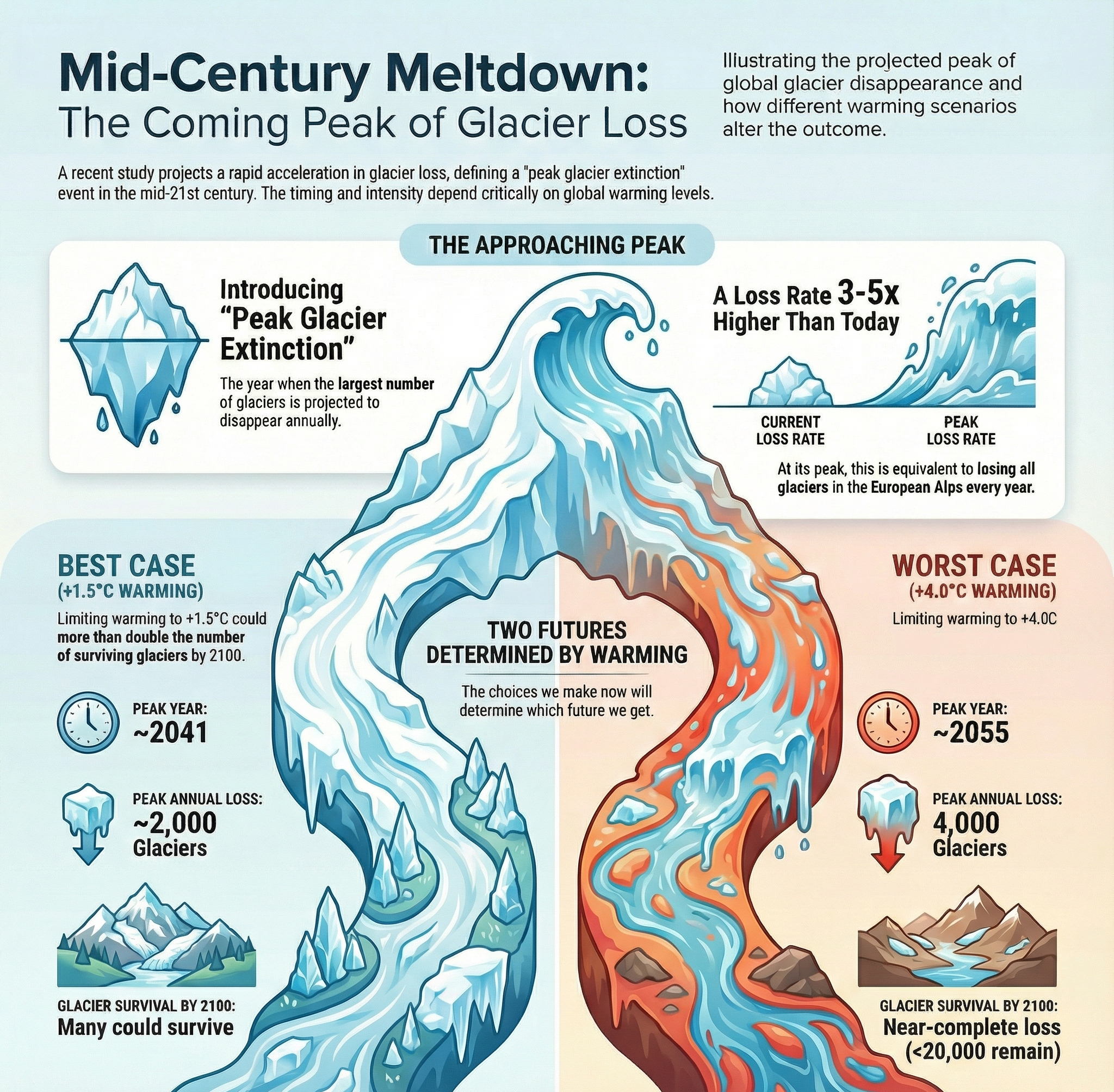
Global glacier loss may peak during 2041–55, with up to 4,000 glaciers disappearing yearly. This threatens water security worldwide, especially in the Hindu Kush Himalaya. For India, higher GLOF risks and seasonal rivers loom. Limiting warming to 1.5°C remains crucial to save nearly half of global glaciers.
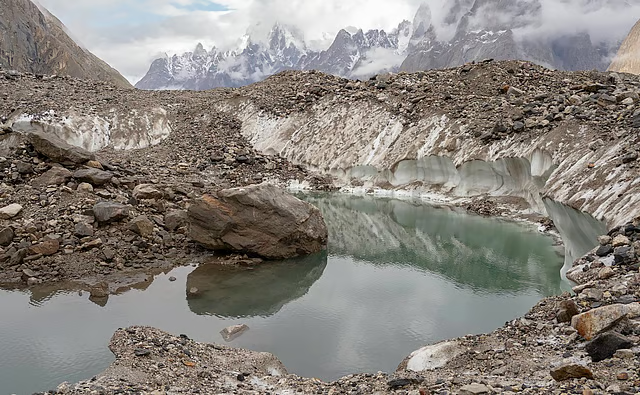
Copyright infringement not intended
Picture Courtesy: DOWNTOEARTH
Context
A study published in Nature Climate Change projects a sharp increase in the global loss of glaciers, with the peak disappearance rate—up to 4,000 glaciers per year—expected between 2014 and 2055, depending on the level of warming.
Glacier retreat (or glacial retreat) is the process where a glacier shrinks in size and its lower edge—the terminus—recedes upvalley.
This happens when a glacier's "mass balance" is negative, meaning it loses more ice through melting, evaporation, or calving than it gains through new snowfall.
|
Indicator |
Key Statistic/Finding |
Source |
|
Ice Loss |
The decade 2014-2023 was the warmest on record, leading to the largest loss of glacier ice since monitoring began, at an average rate of nearly 1 metre per year from 2014-2023. |
WMO State of the Global Climate, 2024 |
|
Melt Rate |
The rate of ice loss was 65% faster in the 2010s compared to the previous decade. |
ICIMOD HI-WISE Report, 2023 |
|
Sea-Level Rise |
From 2000 to 2020, melting glaciers (excluding ice sheets) contributed to 21% of the observed sea-level rise, making them the second-largest contributor after thermal expansion. |
IPCC AR6, 2023 |
 Core Drivers of Accelerated Melt
 Global Warming & Greenhouse Gas Emissions: The burning of fossil fuels, industrial processes, and deforestation have increased atmospheric concentrations of carbon-di-oxide and methane.
Ocean Warming: Oceans absorb about 90% of Earth's excess heat, which rapidly melts and destabilizes marine-terminating glaciers and ice shelves.
Albedo Reduction:
Shifting Precipitation Patterns: Climate change is replacing snowfall with rainfall at high elevations. Less snow means glaciers lose more mass than they gain, resulting in a negative "mass balance."
Extreme Weather Events: Anomalous heatwaves—such as those recorded on the Tibetan Plateau in early spring 2022—can cause rapid, unexpected melt even at high altitudes traditionally expected to remain frozen.
Region-Specific Factors
Threat to Water Security: Glaciers are natural 'Water Towers'.
Increased Risk of Disasters:
Sea-Level Rise: Glacier melt is a major contributor to rising sea levels, which threatens coastal communities, economies, and ecosystems worldwide.
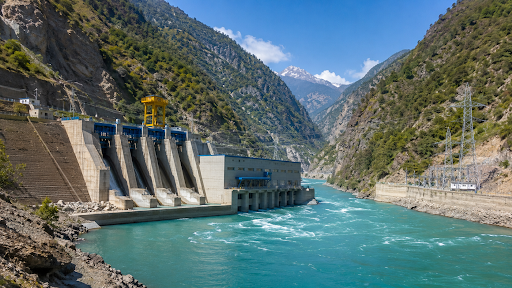
Impact on Hydropower & Agriculture: Reduced and unpredictable river flows threaten hydropower generation and the agricultural sector, which are the lifelines for millions in downstream regions.
The HKH region is a climate change hotspot, warming at a rate faster than the global average.
Source: DOWNTOEARTH
|
PRACTICE QUESTION Q. Analyze the impact of receding Himalayan glaciers on India’s "Water-Energy-Food Nexus." Suggest mitigation strategies. (250 words) |
A GLOF is a catastrophic event where a dam containing a glacial lake fails, releasing a large volume of water suddenly. These dams are often made of unstable materials like moraine (rock, soil, and ice debris) and can breach due to triggers like heavy rainfall, earthquakes, or landslides.
The HKH region is called the 'Third Pole' because it holds the largest volume of ice and snow outside of the Arctic and Antarctic polar regions. Its glaciers are a critical source of water for major river systems in Asia.
Black carbon, or soot, from industrial pollution and biomass burning gets deposited on glaciers. This darkens the ice surface, reducing its albedo (ability to reflect sunlight). As a result, the glacier absorbs more solar energy and heat, which accelerates the melting process.

© 2026 iasgyan. All right reserved