India faces a growing childhood obesity crisis, ranking second globally after China, according to the World Obesity Atlas 2026. Sedentary lifestyles and junk-food marketing drive the trend, raising NCD risks. Experts urge stronger action through front-of-pack labelling, fiscal measures, and comprehensive policies to protect India’s demographic dividend.

Copyright infringement not intended
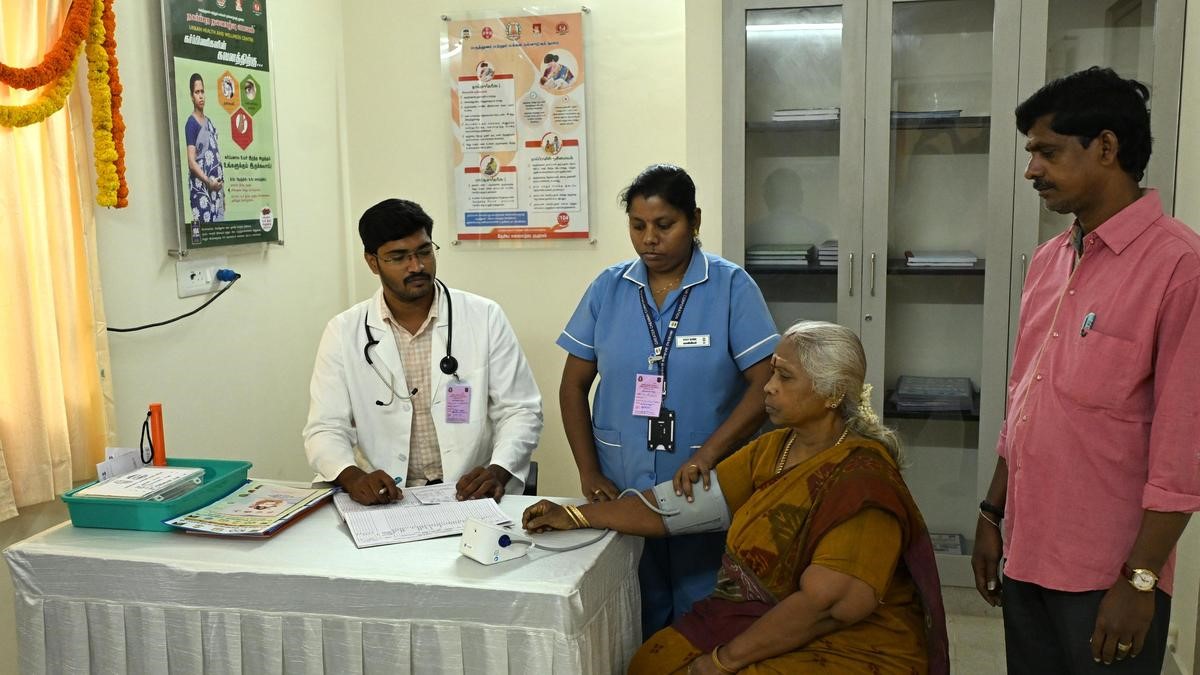
Picture Courtesy: THEHINDU
According to the World Obesity Atlas 2026, released by the World Obesity Federation, India has the second-highest number of overweight and obese children globally, after China.
High Prevalence: As of 2025, India is estimated to have 41 million children (aged 5-19) with a high Body Mass Index (BMI). Of these, 14 million are living with obesity.
Age-wise Breakdown:
Risk Factors in India:
Projected Rise in Non-Communicable Diseases (NCDs) by 2040
|
Disease Indicator |
Projected Cases in 2025 |
Projected Cases in 2040 |
|
BMI-related Hypertension |
2.99 million |
4.21 million |
|
Hyperglycaemia (High Blood Sugar) |
1.39 million |
1.91 million |
|
High Triglycerides |
4.39 million |
6.07 million |
|
Metabolic Dysfunction-Associated Steatotic Liver Disease (MASLD) |
8.39 million |
11.88 million |
Socio-Economic Factors
Double Burden of Malnutrition: India faces a paradox of co-existing undernutrition (stunting) and overnutrition (obesity). The National Family Health Survey-5 (NFHS-5, 2019-21) showed that overweight children under five increased from 2.1% (NFHS-4) to 3.4%.
Urbanization & Sedentary Lifestyles: Rapid urbanization has reduced access to open play spaces and increased screen time. This is coupled with a dietary transition towards cheap, energy-dense, and ultra-processed foods.
Economic Disparities: While once a disease of the affluent, obesity is now rising in lower-income urban groups due to the affordability of unhealthy foods over nutritious alternatives (Source: Pravara Institute of Medical Sciences Study).
Dietary and Policy Factors
Aggressive Marketing: Children are primary targets for marketing of foods high in fat, sugar, and salt (HFSS), significantly influencing their food choices (Source: WHO).
Regulatory Gaps: India lacks a strong, mandatory front-of-pack labelling (FoPL) system to warn consumers. Regulations restricting the marketing of unhealthy foods to children are also weak.
Public Health Crisis: Childhood obesity leads to adult non-communicable diseases (NCDs), and unhealthy diets are responsible for 56% of India's disease burden, threatening the healthcare system's sustainability.
Severe Economic Impact
The economic cost of overweight and obesity in India was estimated at $28.95 billion in 2019 (approx. 1% of GDP) due to lost productivity, and projected to surge to $838.6 billion by 2060 (2.5% of GDP) if trends continue. (Source: Global Obesity Observatory)
Social and Psychological Impact
Children with obesity often face bullying, social stigma, and isolation, leading to mental health issues like depression and low self-esteem.
|
India's Current Initiatives
Critics argue these are largely awareness-based campaigns and lack the strong regulatory enforcement needed for systemic change. |
Strengthen Regulation: Implement a mandatory, clear Front-of-Pack Labelling (FoPL) system and consider fiscal measures like higher GST on sugary beverages.
Adopt a "Whole-of-Society" Approach: Ensure coordination between ministries like Health, Education, Women & Child Development, and Urban Development to create a holistic policy framework.
Create Healthier Environments: Mandate healthy food in and around schools, enforce compulsory hours for physical activity, and invest in public infrastructure like parks and playgrounds.
Integrate Prevention into Primary Healthcare: Equip Ayushman Bharat Health and Wellness Centres to provide obesity prevention and management counselling at the grassroots level.
Learn Lessons from Global Best Practices
Chile's Food Labelling Law (2016)
UK's Soft Drinks Industry Levy (Sugar Tax, 2018)
To avoid a fiscal and public health catastrophe, India must shift from voluntary awareness to strong regulatory enforcement, such as mandatory food labelling and sugar taxes, to protect its future demographic dividend.
Source: THEHINDU
|
PRACTICE QUESTION Q. Childhood obesity in India is not merely a health issue but a complex socio-economic challenge that threatens its demographic dividend." Critically analyze. (250 words) |
The report finds that India has the second-highest number of overweight and obese children globally, after China. It projects a sharp rise in non-communicable diseases like hypertension and diabetes linked to high BMI by 2040 and identifies risk factors like high physical inactivity (74% of adolescents), inadequate nutrition, and sub-optimal breastfeeding.
It is called a "silent epidemic" because its rise is gradual but has severe, long-term consequences that are not immediately apparent. It is deeply rooted in socio-economic changes like urbanization and lifestyle shifts, and its impact—a future public health crisis and economic burden—is building up without receiving the urgent attention it deserves.
The "double burden of malnutrition" refers to the paradoxical situation where undernutrition (like stunting and wasting) coexists with overnutrition (overweight and obesity) within the same country, community, or even household. In India, while millions of children are undernourished, there is a growing percentage of children who are overweight, as highlighted by the NFHS-5 data.


© 2026 iasgyan. All right reserved