A recent scare over counterfeit rabies vaccines has raised serious public-health concerns. Suspected fake or repackaged batches of a commonly used rabies vaccine were reported in multiple Indian cities, prompting advisories from several countries for travellers vaccinated in India. Investigations indicate that while most vials contained genuine vaccine, packaging was altered and government-supplied stock was likely diverted to the private market, revealing weaknesses in supply-chain monitoring. The incident risks creating vaccine hesitancy for a disease that is almost 100% fatal once symptoms appear. The crisis underscores the need for strict regulation, better tracking systems, strong law enforcement, transparent public communication, and assured availability of authentic vaccines and immunoglobulin to maintain trust and prevent avoidable deaths.
Copyright infringement not intended
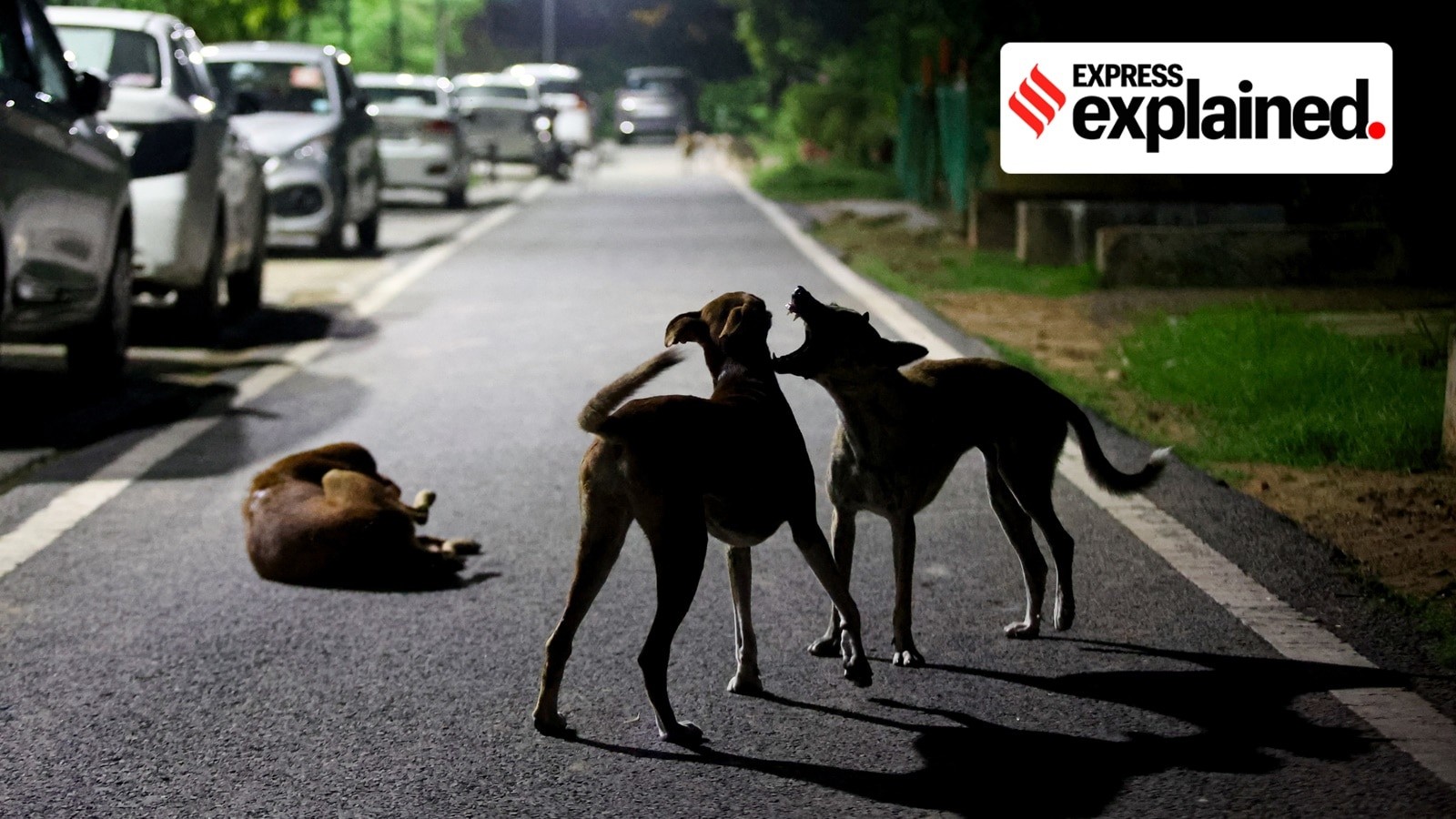
Picture Courtesy: Indian Express
Context:
Health authorities in Australia, the UK, and the US have advised travellers who received rabies vaccines in India since late 2023 to review their vaccination status. The concern stems from the suspected circulation of counterfeit batches of Abhayrab, a widely used rabies vaccine manufactured by the Human Biologicals Institute (a unit of Indian Immunologicals).
|
Must Read: RABIES | NATIONAL RABIES CONTROL PROGRAMME | NATIONAL ACTION PLAN FOR DOG MEDIATED RABIES ELIMINATION | PROBLEM OF STRAY DOGS | |
Background of the story:
Foreign health agencies have issued advisories after reports of counterfeit Abhayrab vaccine packs possibly circulating since 2023. The manufacturer clarified that a single suspect batch (KA24014) with mismatched packaging was detected in January 2025, after which regulators and law-enforcement authorities were immediately informed. Subsequent testing showed that the vials actually contained the genuine product, indicating that government-supplied stock may have been diverted and repackaged for sale in the private market. Suspect vaccines were reported from multiple cities—including Delhi, Mumbai, Agra, Lucknow, Kanpur, and Patna—and raids were carried out following these reports. Despite the controversy, Abhayrab remains one of the most widely used rabies vaccines in India, accounting for nearly 40 percent of the national market.
Current status of rabies in India:
What is rabies?
Rabies is a preventable viral infection that attacks the central nervous system and causes progressively worsening inflammation of the brain and spinal cord. The disease is present in more than 150 countries and territories worldwide. It spreads to humans and other animals mainly through bites or scratches from infected animals, most commonly dogs. Without prompt medical treatment after exposure, the illness is almost always fatal. Rabies is classified as a Neglected Tropical Disease (NTD) because it disproportionately affects people in poor, rural, and hard-to-reach areas. Although effective vaccines and immunoglobulins are available, many communities still do not have adequate access to them. Children between 5 and 14 years of age are frequently affected because they are more likely to come into contact with animals and may not recognise risky situations.
Types of rabies in humans:
Furious rabies
This is the more frequent form of the disease. It is marked by restlessness, agitation, excessive activity, hydrophobia (fear of water), aerophobia (fear of air or drafts), confusion, and aggressive episodes. Death usually occurs within a few days due to failure of the heart and lungs.
Paralytic rabies
This form develops slowly and quietly, which means it is often overlooked or diagnosed late. Weakness and paralysis begin near the bite site, gradually spread to the rest of the body, and eventually progress to coma and death. Because symptoms are subtle, paralytic rabies is a major contributor to under-reported cases.
Transmission:
Rabies is caused by the rabies virus, which specifically targets the brain and nervous system. The infection is transmitted mainly through:
Dogs are responsible for around 99% of human infections, making dog-mediated rabies the principal public-health concern in many regions.
Symptoms of rabies:
Early symptoms are usually general and flu-like, such as:
As the virus reaches the nervous system, it causes severe brain and spinal cord inflammation, which is almost invariably fatal without prior vaccination or timely post-exposure treatment. The incubation period may vary from one week to a year, depending on where the bite occurred and the amount of virus introduced.
Prevention of rabies:
Rabies is fully preventable with the right public-health actions. Key measures include:
Vaccinating dogs breaks the transmission cycle in animals, reduces human infections, and lowers the overall need for post-exposure treatment in people.
|
CASE STUDY Reported Rabies deaths in Kerala (2022) In 2022, Kerala witnessed a noticeable rise in deaths attributed to rabies. The increase occurred despite availability of rabies vaccines, raising public concern about whether the deaths were due to vaccine failure or other systemic gaps in post-exposure care. An inquiry conducted by the Union Ministry of Health reviewed case records, treatment practices, and vaccine supply data. The investigation found that the majority of deaths were not due to failure of the vaccine itself but due to shortcomings in bite management and treatment protocol. The key findings included:
|
How Rabies can occur despite vaccination?
The Union Health Ministry investigation highlighted that rabies infection, though rare after vaccination, can still occur in certain situations:
These factors can compromise the effectiveness of an otherwise appropriate vaccination schedule.
Government initiatives for prevention and control of rabies in India:
Global initiatives for rabies elimination:
United Against Rabies Forum (UAR Forum): A global platform that brings together governments, NGOs, academia, animal welfare groups, and donors to support countries with technical guidance, coordination, tools, and funding pathways.
WHO Prequalification and Normative Guidance: WHO supports countries by prequalifying rabies vaccines, issuing evidence-based vaccination protocols, and guiding adoption of intradermal regimens to reduce costs and improve access.
World Rabies Day (28 September): Coordinated by Global Alliance for Rabies Control (GARC), this annual campaign promotes public awareness, vaccination drives, and education across countries.
Mass Dog Vaccination Campaigns in Endemic Countries
Supported by WHO, GARC, and donors such as the Bill & Melinda Gates Foundation, pilot projects in Tanzania, Philippines, Bangladesh, Rwanda, and Latin America have demonstrated large reductions in human rabies deaths.
Conclusion:
The crisis of counterfeit rabies vaccines highlights weaknesses in supply-chain security, regulation, and monitoring rather than a failure of the vaccine itself. While most seized vials contained genuine product with altered packaging, the incident has created fear and the risk of vaccine hesitancy in a disease that is almost 100% fatal. Strengthening traceability, enforcement against diversion, transparent communication, and assured availability of genuine vaccines and immunoglobulin are essential to restore public confidence and prevent avoidable deaths.
Source: Indian Express
|
Practice Question Q. Rabies is a 100% vaccine-preventable disease, yet thousands die every year. Examine the reasons for the continued global burden of rabies and suggest strategies. (250 words) |
In most endemic countries, dog bites account for nearly all human rabies cases. Bats, cats, and wild animals can also transmit the virus.
Simple touching or feeding dogs without a bite or broken skin exposure does not transmit rabies. The virus usually spreads through bites, scratches, or saliva entering wounds.
Wash the wound with soap and running water for at least 15 minutes, apply antiseptic, and seek medical care immediately for vaccination and immunoglobulin if needed.


© 2026 iasgyan. All right reserved