Bio-based chemicals and enzymes: Opportunities and challenges

Bio-based chemicals and enzymes are industrial products derived from renewable biological resources such as crops, biomass, and agricultural residues through processes like fermentation and enzymatic conversion. They offer a sustainable alternative to petrochemicals by reducing fossil fuel dependence, lowering carbon emissions, and supporting a circular bioeconomy.

India has strong potential in this sector due to its large agricultural base, established fermentation expertise, and growing manufacturing capacity. The government has prioritised biomanufacturing under the BioE3 policy, and domestic companies are increasingly investing in bio-based production. However, challenges such as higher costs, feedstock supply constraints, limited infrastructure, and slow market adoption need to be addressed.

With appropriate policy support, shared infrastructure, and market incentives, bio-based chemicals and enzymes can strengthen India’s industrial competitiveness, promote agricultural value addition, and contribute to sustainable economic growth.
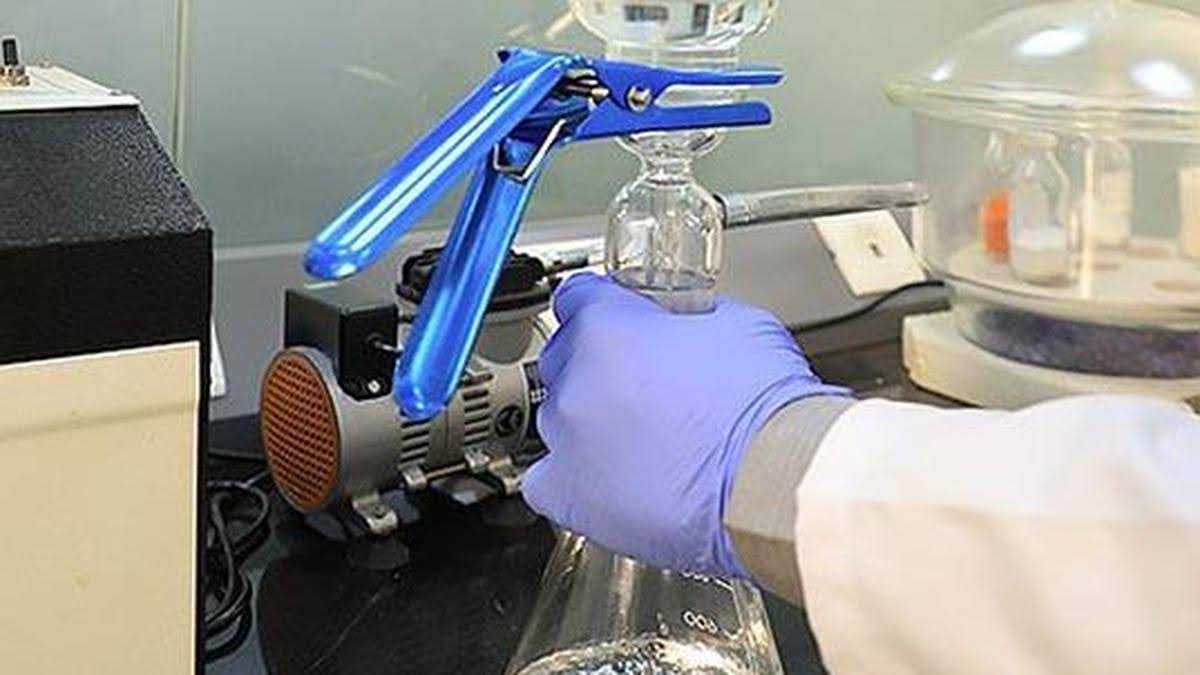
Description

Copyright infringement not intended

Picture Courtesy: The Hindu

Context:

India has strong fundamentals for scaling bio-based chemicals and enzymes due to its large agricultural base, deep expertise in fermentation from pharmaceuticals and vaccines, and a growing manufacturing sector.

Must Read: BIOE3 POLICY | INDIA’S FIRST BAMBOO-BASED BIOREFINERY IN ASSAM  | 

What are Bio-based Chemicals?

Bio-based chemicals are industrial chemicals produced from renewable biological resources such as plants, agricultural residues, forestry waste, and other forms of biomass, instead of fossil fuels like crude oil or natural gas.

These chemicals are derived from biological feedstocks including sugarcane, corn, starch, vegetable oils, bagasse, crop residues, and other organic materials that can be sustainably replenished.

Key Examples

  • Organic acids: Lactic acid, citric acid
  • Bio-alcohols: Ethanol, butanol
  • Solvents and surfactants
  • Bioplastics intermediates (e.g., polylactic acid – PLA)
  • Specialty chemicals used in pharmaceuticals, cosmetics, textiles, and food processing

Production Process:

The production of bio-based chemicals involves a series of integrated biological, chemical, and engineering steps that convert renewable biomass into valuable industrial products.

  • Feedstock Preparation: The process begins with the collection and preparation of biological raw materials such as sugarcane, corn, crop residues, or lignocellulosic biomass. These materials are cleaned, pretreated, and broken down into simpler components like sugars, oils, or syngas to make them suitable for further conversion.
  • Bioconversion through fermentation and enzymes: Microorganisms such as bacteria, yeast, or fungi are used to convert the prepared feedstock into target chemicals through fermentation. In many cases, specific enzymes are employed to accelerate biochemical reactions and improve efficiency and product yield.
  • Bioreactor operations: The conversion takes place in controlled environments called bioreactors, where parameters such as temperature, pH, oxygen levels, and nutrient supply are carefully regulated to optimise microbial activity and maximise production.
  • Downstream processing and purification: After production, the desired chemical is separated from the fermentation broth through processes such as filtration, distillation, extraction, or crystallisation to achieve the required purity and quality for industrial use.
  • Integration with chemical processing: In some cases, biological intermediates are further refined using conventional chemical processes to produce specialised or high-value chemicals, enabling large-scale industrial applications.

Difference between Bio-based chemicals and Conventional chemicals:

Bio-based Chemicals

Conventional Chemicals

Produced from renewable biological resources such as crops, biomass, and agricultural residues.

Produced from non-renewable fossil fuels such as crude oil, natural gas, and coal.

Manufactured using biological processes like fermentation, microbial conversion, and enzymatic reactions under relatively mild conditions.

Manufactured through petrochemical refining and chemical synthesis that require high temperatures, high pressure, and energy-intensive processes.

Have a lower carbon footprint and generate fewer hazardous by-products, supporting environmentally sustainable production.

Associated with higher greenhouse gas emissions, pollution, and environmental degradation.

Based on renewable feedstocks, making them more sustainable and suitable for long-term resource security.

Depend on finite fossil resources, leading to concerns about depletion and supply volatility.

Generally, require lower energy inputs due to milder processing conditions.

Require higher energy inputs because of intensive industrial operations.

Still emerging, with higher initial costs and limited large-scale infrastructure, though adoption is increasing.

Widely established, cost-effective, and supported by extensive industrial infrastructure and economies of scale.

Current Status of India in Bio-based Chemicals and enzymes:

  • Bio-based chemicals and enzymes have been identified as priority sectors under the BioE3 (Biotechnology for Economy, Environment and Employment) policy of the Department of Biotechnology.
  • India has strong technical capabilities in fermentation and bioprocessing, developed through its pharmaceutical, vaccine, and ethanol industries.
  • The country remains import-dependent for several chemical intermediates, for example, India imported approximately $479.8 million worth of acetic acid in 2023.
  • The Indian industrial enzymes market is highly consolidated, with the top players accounting for over 75% of market share.

Importance of Bio-based chemicals and enzymes:

  • Reduces import dependence and improves the trade balance: India imported nearly $479.8 million worth of acetic acid in 2023, indicating significant potential for domestic bio-based production to substitute petrochemical imports.
  • Supports climate mitigation and green growth: Bio-based chemicals generally have a lower life-cycle carbon footprint than their petrochemical counterparts and align with India’s Net Zero by 2070 commitment and broader green manufacturing initiatives.
  • Promotes a circular bioeconomy: India generates over 500 million tonnes of agricultural residues annually, much of which remains underutilised or is burned. Converting this biomass into chemicals and enzymes can reduce air pollution and improve resource efficiency.
  • Enhances value addition in agriculture: As the world’s second-largest producer of sugarcane and a major producer of starch and ethanol, India has strong potential to convert surplus agricultural output into high-value industrial inputs, thereby increasing farmers’ incomes and supporting rural economies.
  • Encourages innovation and high-value manufacturing: The expansion of bio-based chemicals is driving investment in industrial biotechnology, advanced fermentation, and synthetic biology, strengthening India’s biotechnology and manufacturing ecosystem.

Challenges in scaling Bio-based chemicals and enzymes in India:

  • Cost competitiveness with petrochemicals: Bio-based chemicals often remain more expensive than conventional petrochemical products due to limited economies of scale, high initial capital investment, and evolving technologies, which discourages private investment.
  • Feedstock availability and price volatility: Although India has abundant biomass, ensuring a reliable and consistent year-round supply of uniform-quality feedstock is challenging due to seasonality, competing uses (such as fodder, fuel, and ethanol), and fragmented supply chains.
  • Infrastructure and scale constraints: The sector lacks adequate pilot plants, demonstration facilities, bio foundries, and integrated biorefineries, which are necessary to scale technologies from the laboratory to commercial production.
  • Technology and innovation gaps: Advanced capabilities in synthetic biology, enzyme engineering, and second-generation biomass conversion are still developing and require sustained investment in research and stronger industry–academia collaboration.
  • Market adoption barriers: Downstream industries may be reluctant to switch to bio-based inputs due to concerns about cost, performance consistency, supply reliability, and the need for process revalidation.

Global best practices in Bio-based chemicals and enzymes:

  • Comprehensive bioeconomy strategies: The European Union has adopted an integrated approach that links bio-based chemicals with climate action, circular economy goals, waste reduction, and sustainable industrial development.
  • Market creation through government procurement: In the United States, the United States Department of Agriculture runs a programme that gives preference to certified bio-based products in federal procurement, helping create assured early demand for producers.
  • Financial incentives and public funding: Countries such as the United States and China provide tax benefits, grants, and concessional financing to support research, pilot projects, and large-scale biomanufacturing facilities.
  • Development of shared infrastructure: Leading economies invest in common facilities such as biofoundries, pilot plants, and demonstration units to help companies scale technologies from the laboratory stage to commercial production while reducing investment risks.
  • Strong research–industry linkages: In Japan, the Ministry of Economy, Trade and Industry, Japan and the National Agriculture and Food Research Organization, Japan support mission-oriented projects that integrate research, process development, and industrial deployment.

Conclusion:

Bio-based chemicals and enzymes represent a critical pathway for transitioning toward sustainable, low-carbon, and resource-efficient industrial growth. By utilising renewable biomass and enabling energy-efficient production processes, they reduce dependence on fossil fuels, lower environmental impacts, and promote a circular bioeconomy.

For India, the sector offers strategic advantages such as import substitution, agricultural value addition, rural income generation, and new opportunities in biomanufacturing and green exports. While challenges related to cost, scale, infrastructure, and market adoption remain, targeted policy support, shared biomanufacturing facilities, and stable demand mechanisms can accelerate growth.

Source: The Hindu

Practice Question

Q. Bio-based chemicals and enzymes are emerging as key components of sustainable industrial development. Discuss. (250 words)

Frequently Asked Questions (FAQs)

Bio-based chemicals are industrial chemicals produced from renewable biological resources such as crops, agricultural residues, and other forms of biomass, using biological or biotechnological processes instead of fossil fuels.

Industrial enzymes are biological catalysts, usually proteins, that accelerate chemical reactions and are widely used in sectors such as detergents, food processing, pharmaceuticals, textiles, and paper manufacturing.

Bio-based chemicals are derived from renewable biomass and generally have a lower environmental impact, whereas petrochemicals are produced from non-renewable fossil fuels and are associated with higher carbon emissions.


Free access to e-paper and WhatsApp updates

Let's Get In Touch!