Global data from UN Women and IPU shows stagnation in women’s political representation due to structural barriers and weak political will. India has strong local participation via panchayat reservations, but low national representation. Effective implementation of Nari Shakti Vandan Adhiniyam and global quota lessons is vital.
Copyright infringement not intended
Picture Courtesy: DOWNTOEARTH
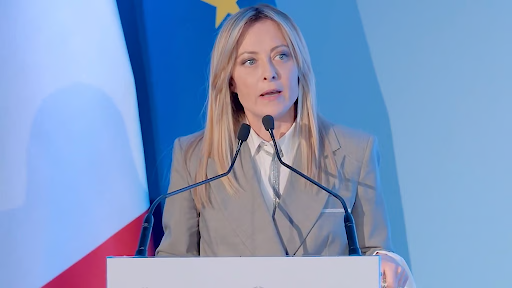
The Women in Politics 2026 report by UN Women and the Inter-Parliamentary Union (IPU), projected that achieving gender parity in top leadership roles could take another 130 years at the current pace.
|
Indicator |
Global Status (2026) |
|
Countries with a woman Head of State/Government |
Only 28 countries. 101 countries have never had one. |
|
Share of Women in Cabinet Minister Roles |
22.4% (a decrease from 23.3% in 2024). |
|
Share of Women in Parliaments |
27.5% (a very slow increase from 27.2% in 2025). |
|
Women as Speakers of Parliament |
19.9% (the first decline in 21 years). |
Portfolio Allocation
Women in cabinet roles are given social portfolios like Family Affairs (73% of such ministries led by women) and Gender Equality (90%), while men dominate power centres like defence and finance.
Violence and Intimidation
Women in politics face higher levels of hostility. 76% of women parliamentarians surveyed reported experiencing intimidation from the public, compared to 68% of men.
Structural and Societal Norms
Deep-seated patriarchal attitudes and gender stereotypes project politics as a male domain, leading to constant questioning of women's leadership capabilities.
Economic Disparity
The high cost of political campaigns is a major hurdle. Women's unequal access to financial resources and political networks makes it extremely difficult to fund and sustain a political career.
Lack of Political Will
Political parties often act as gatekeepers. Male-dominated party structures fail to nominate and support women candidates in winnable constituencies.
Violence and Harassment
Targeted violence and harassment, both online and offline, create a "chilling effect" that discourages women from entering or remaining in public life.
Delayed Reforms
In many countries, even when progressive laws are passed, their implementation is often delayed, representing a form of political backlash against women's rights.
Success at the Grassroots: Panchayati Raj Institutions (PRIs)
The 73rd Constitutional Amendment (1992) mandated a one-third reservation for women in local government, which proved to be a revolutionary step.
Studies show women leaders prioritize investments in crucial public goods like drinking water, sanitation, and education.
Challenge at the National Level
Despite grassroots success, women's representation in the Lok Sabha after the 2024 elections was only 13.62%, a decline from 14.7% in 2019.
India ranked 131st out of 148 countries in the World Economic Forum's Global Gender Gap Report 2025.
The Nari Shakti Vandan Adhiniyam (106th Constitution Amendment Act, 2023) reserves 33% of seats for women in the Lok Sabha and State Assemblies.
Implement Quotas
Timely implementation of the Nari Shakti Vandan Adhiniyam. A clear timeline must be established to ensure it is effective for the next possible election cycle.
Foster Political Will
Political parties must adopt internal quotas for candidate selection, field women in winnable seats, and provide them with adequate financial and strategic support.
Strengthen Grassroots Leadership
Create a clear pipeline for successful women leaders from PRIs to advance to state and national legislatures through targeted training in governance and policymaking.
Combat Violence and Change Norms
Enforce laws against harassment rigorously. Public awareness campaigns via media and education are needed to challenge patriarchal stereotypes and build societal acceptance of women leaders.
Promote Economic Empowerment
Policies that enhance women's access to education, financial resources, and economic opportunities are fundamental to enabling their participation in public life.
Learn from Global Best Practices
Gender parity in politics is essential for building resilient, inclusive, and effective democracies, requiring legislative action, political will, and societal change to ensure equal representation of women's voices.
Source: DOWNTOEARTH
|
PRACTICE QUESTION Q. Examine the role of reservations in Local Self-Government in challenging traditional patriarchal power structures in rural India. 150 words |
The political glass ceiling refers to the invisible but persistent barriers, such as patriarchal norms, economic disparity, and lack of political will, that prevent women from reaching the highest levels of political power, despite being qualified.
It reserves one-third (33%) of the seats in the Lok Sabha (the lower house of India's Parliament) and all State Legislative Assemblies for women.
Its implementation is dependent on two major processes: the completion of the next national census, followed by a delimitation exercise to redraw constituency boundaries. This could potentially delay its rollout until after 2029.


© 2026 iasgyan. All right reserved