A recent UNEP report warns that 50% of household medicines become waste, driving Antimicrobial Resistance (AMR). To combat this, India is implementing NAP-AMR 2.0 and Kerala’s nPROUD initiative, focusing on One Health, Extended Producer Responsibility (EPR), and precise prescriptions for a sustainable future.
Copyright infringement not intended
Picture Courtesy: downtoearth
Context
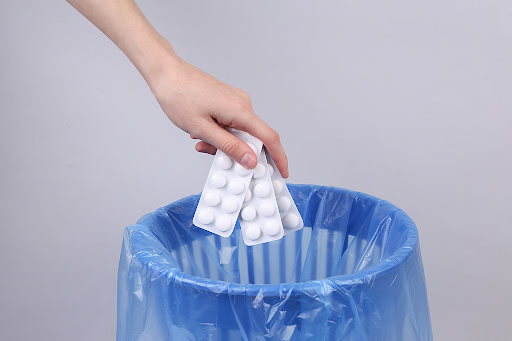
The United Nations Environment Programme (UNEP) report "Safe Disposal of Unused Medicines" reveals that up to 50% of household medications globally go unused, accelerating Antimicrobial Resistance (AMR).
|
Read all about: ANTIMICROBIAL RESISTANCE AND ANTIMICROBIAL WASTE l URBAN SEWAGE FUELS DRUG-RESISTANT BACTERIA |
What are the Threats of Unscientific Disposal?
The improper disposal of medicines, such as throwing them in household trash or flushing them down the toilet, leads to a cascade of critical problems.
Accelerating Antimicrobial Resistance (AMR): When unused antibiotics seep into soil and water, they expose bacteria to low drug concentrations, forcing them to mutate into drug-resistant "superbugs".
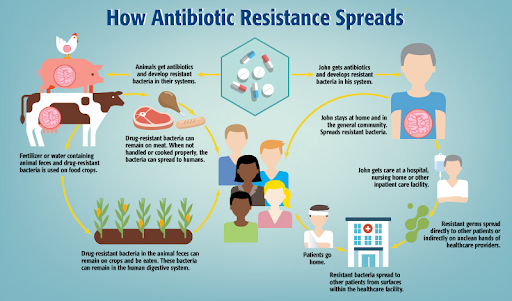
Ecological Toxicity & Endocrine Disruption: Most wastewater treatment plants are not equipped to filter out Active Pharmaceutical Ingredients (APIs).
Public Health Risks: Storing expired or unused medicines at home increases the risk of accidental poisoning, overdose, and substance abuse, especially among children and pets.
Economic Burden: Manufacturing medicines that are never used is a massive waste of raw materials, energy, and financial resources. The global market for managing this waste is projected to reach $2.54 billion by 2032
Challenges Associated with Disposal of Medical Waste
Lack of Proper Segregation: The complex process of separating waste at the source leads to hazardous waste mixing with general, non-hazardous trash.
Inadequate Collection and Storage: Healthcare facilities often face overcrowded, dirty, and unsafe storage areas, leading to overflowing bins and increased risks of contamination and infection.
Insufficient Treatment Facilities: Many regions lack adequate, modern infrastructure (like incinerators or autoclaves), leading to dangerous methods like burning in open pits.
Inadequate Training and Awareness: Staff often lack training, motivation, or knowledge regarding appropriate waste handling, which increases the risk of infection and injury.
Poor Regulatory Enforcement: Weak or poorly enforced governmental regulations result in inadequate management of waste disposal, with many institutions failing to maintain proper records or adhere to safety standards.
Increased Waste Volume and Cost: The high cost of specialized disposal equipment and high volume of waste, amplified by surges such as the COVID-19 pandemic, burden the financial resources of medical institutions.
Safety Hazards for Workers: Inadequate personal protective equipment (PPE) for handlers leads to infections, injuries, and exposure to toxic materials.
Environmental Impact: Improper disposal, such as dumping, causes toxic contaminants to enter water sources and soil.
UNEP's Four-Pillar Framework for Management
Pillar 1: Prevention at Source
The most effective solution is to reduce the need for medication through improved Water, Sanitation, and Hygiene (WASH), widespread vaccination, and better biosecurity in animal farming.
Pillar 2: Smarter Packaging and Dispensing
Promoting unit-dose packaging (dispensing the exact number of pills needed for a treatment) instead of selling bulk bottles can reduce leftover medication.
Pillar 3: Comprehensive Take-Back Schemes
Governments must establish accessible and structured programs where the public can return unused or expired drugs for safe, scientific disposal.
Pillar 4: Legal Frameworks and Redistribution
This involves implementing Extended Producer Responsibility (EPR) for pharmaceutical companies and creating safe, regulated networks to redistribute unexpired medicines to those in need.
Conclusion
The UNEP report advocates for a One Health approach to managing pharmaceutical waste, using Extended Producer Responsibility (EPR) and public awareness to prevent chemical and AMR pollution.
Source: downtoearth
|
PRACTICE QUESTION Q. Discuss the regulatory frameworks and initiatives undertaken by India to address the challenge of pharmaceutical waste. 150 words |
Unscientific disposal of medicines introduces Active Pharmaceutical Ingredients (APIs) into soil and waterways. This causes ecological toxicity, endocrine disruption in aquatic life, and exposes environmental bacteria to drugs, accelerating Antimicrobial Resistance (AMR).
The UNEP proposes a four-pillar "One Health" framework: Prevention of illness at the source (the primary focus), smarter packaging (like unit-dose dispensing), establishing comprehensive drug take-back schemes, and creating legal frameworks like Extended Producer Responsibility (EPR) alongside safe redistribution networks.
nPROUD (New Programme on Removal of Unused Drugs) is an initiative launched by the Kerala State Drugs Control Department. It uses local volunteers to collect unused drugs from households via designated bins, which are then transported and safely incinerated at a scientific facility.


© 2026 iasgyan. All right reserved