The Supreme Court’s airfare intervention revives the activism versus overreach debate. While judicial activism filled governance gaps, overreach in cases like NJAC and 2G diluted democratic accountability. Preserving separation of powers needs judicial restraint, effective executive action, and legislative responsibility to sustain constitutional balance.
Copyright infringement not intended
Picture Courtesy: economictimes
Context
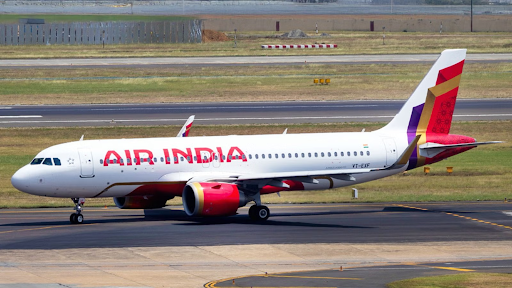
The Supreme Court expressed concerns over the "exploitative" nature of dynamic Pricing, particularly during festive seasons and emergencies.
What is 'Dynamic Pricing' in the Aviation Sector?
Dynamic Pricing is a strategy where airlines use complex algorithms to adjust ticket prices in real-time. This model is based on several factors:
While this model helps airlines maximize revenue, passengers feel aggrieved by the lack of transparency and the extreme volatility.
Current Regulatory Framework
India deregulated its aviation sector in 1991, shifting from government-fixed fares to a market-driven system with regulatory oversight.
|
Entity |
Role in Airfare Regulation |
|
Airlines |
Free to establish "reasonable" tariffs under Rule 135 of the Aircraft Rules, 1937, considering operational costs and profits. They must publish their fare structures. |
|
The DGCA does not fix or approve fares. Its role is limited to monitoring prices to prevent predatory (excessively low) or oligopolistic (collusive high) pricing. It operates a Tariff Monitoring Unit (TMU) that randomly checks fares on certain routes. |
|
|
Government |
Maintains a hands-off approach, believing that market competition is the best regulator. It only intervenes in exceptional circumstances (e.g., temporary fare caps were imposed during the COVID-19 pandemic). |
Arguments Against Imposing Price Caps
Distorts Market Signals: High demand, signaled by high prices, prompts airlines to add flights. A price cap hides this signal, stopping the natural supply increase.
Reduces Supply & Connectivity: Price caps on airline tickets can make some routes unprofitable, causing airlines to reduce flights or cease service, thus hurting regional connectivity.
Discourages Investment: Artificial price caps lower aviation profitability, deterring investment, which ultimately reduces competition and services
Judicial Intervention vs Economic Policy
Argument for Judicial Restraint: The Supreme Court traditionally avoids interfering in economic policy, as this is the domain of the executive and legislature, intervening only if a policy is arbitrary, irrational, or unconstitutional.
|
Constitutional Basis for Separation of Powers
|
Argument for Judicial Activism: The Recent PIL states that the lack of affordable emergency transport violates the Right to Life and Dignity under Article 21.
|
|
Judicial Activism |
Judicial Overreach |
|
Core Idea |
Judiciary's proactive role in protecting rights and promoting justice when other branches fail. |
Judicial overreach disrupts institutional balance when the judiciary assumes executive or legislative roles by making policies or directing implementation. |
|
Nature of Intervention |
Law interpretation that meets societal needs and corrects legal gaps. |
Making decisions on purely administrative or policy matters that lack judicial standards for adjudication. |
|
Example |
Expanding the meaning of 'Right to Life' under Article 21 to include the right to a clean environment (M.C. Mehta case). |
Mandating specific economic policies, such as fixing the price of a commodity or directing detailed administrative actions. |
|
Constitutional Spirit |
Upholds the spirit of the Constitution by protecting fundamental rights. |
Violates the spirit of separation of powers, a key component of the 'basic structure' doctrine. |
Way Forward
Instead of a rigid price cap, a more balanced approach focusing on strengthening regulation and boosting supply is recommended by experts.
Empower the DGCA
The Parliamentary Standing Committee on Transport, Tourism and Culture recommended empowering the DGCA for better air tariff regulation, suggesting temporary price caps during surges and a quasi-judicial body for fare enforcement.
Enhance Transparency
India should follow global best practices, like those in the European Union, by requiring airlines to show the final price, including all mandatory taxes and fees, upfront at the start of the booking process, to help consumers make informed decisions.
Boost Supply-Side Factors: Most sustainable solution to high prices is to increase supply and reduce operational costs by:
Conclusion
Airfare regulation, despite consumer welfare concerns, clashes with free-market principles. A judicial price cap risks harming aviation growth. The way forward is to empower the DGCA, increase pricing transparency, and reduce airline costs to balance passenger and industry needs.
Source: INDIANEXPRESS
|
PRACTICE QUESTION Q. Is it ethically justified for the state or judiciary to interfere in "dynamic pricing" during emergencies/festivals to protect consumer rights at the cost of commercial freedom? (250 Words) |
Judicial activism refers to the proactive role played by the judiciary in protecting the fundamental rights of citizens and upholding constitutional values, especially when the executive and legislative branches fail to do so. A key example is the Supreme Court laying down the Vishaka Guidelines for workplace safety for women in the absence of a law.
Judicial overreach occurs when the judiciary steps beyond its constitutionally assigned role of interpreting laws and starts interfering in the policy-making and administrative functions of the executive and legislature. It is considered a breach of the separation of powers doctrine.
The main difference lies in the legitimacy and scope of judicial intervention. Judicial activism is a legitimate exercise of judicial power to fill a legal or governance vacuum and protect rights. Judicial overreach is an illegitimate encroachment into the domains of the other two branches of government, often on matters of policy where the judiciary lacks expertise and democratic accountability.




© 2026 iasgyan. All right reserved