The Reserve Bank of India kept the repo rate unchanged at 5.25% and retained a neutral stance, citing a favourable macroeconomic environment. With inflation projected at 2.1% for FY26 and GDP growth expected at 7.4%, the central bank opted for a cautious pause to allow the impact of earlier rate cuts to transmit fully. The decision ensures stability in borrowing costs and EMIs while preserving policy flexibility to respond to risks such as global uncertainty, crude oil volatility, and potential inflationary pressures.
Copyright infringement not intended
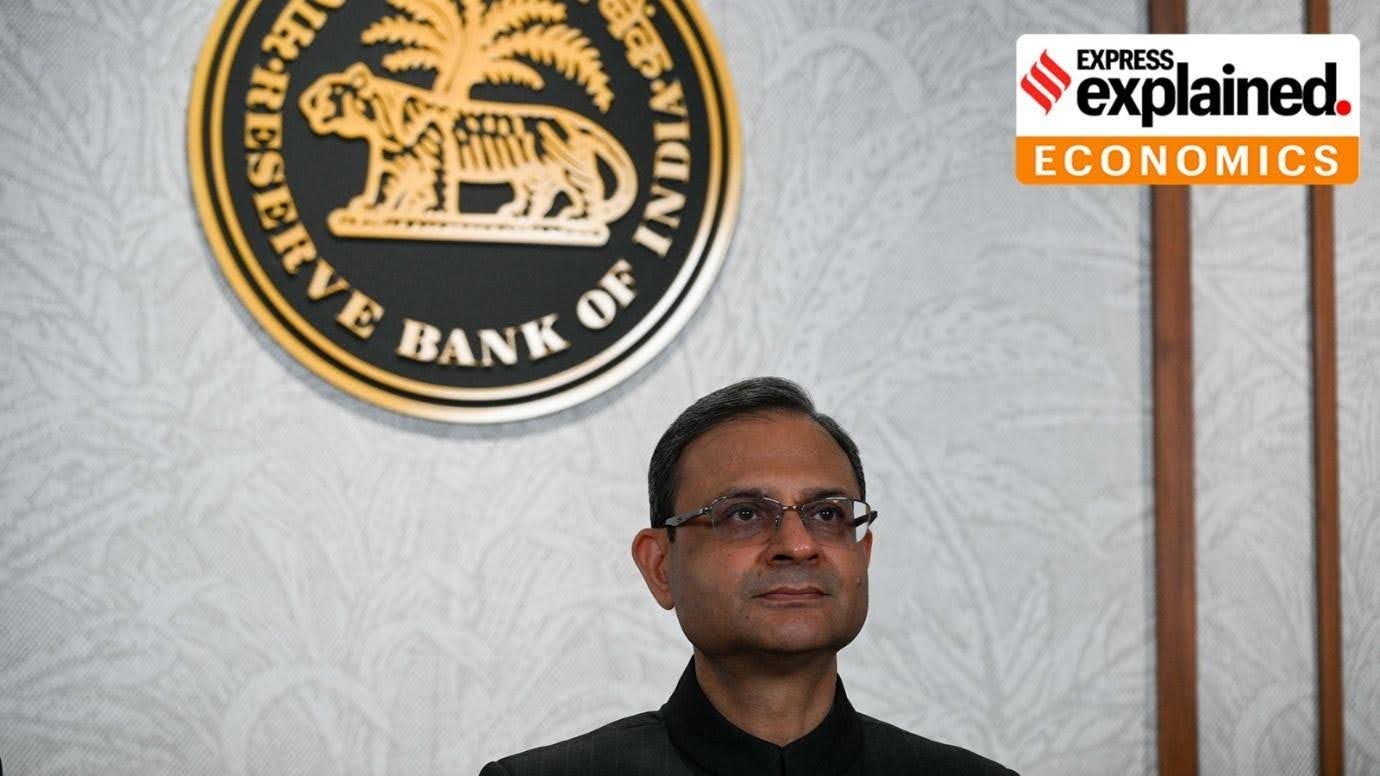
Picture Courtesy: Indian Express
Context:
The Monetary Policy Committee (MPC) of the Reserve Bank of India decided to keep the repo rate unchanged at 5.25% and retain a neutral stance in February 2026.
|
Must Read: Repo Rate | MARGINAL COST OF LENDING RATE | RBI’S MONETARY POLICY MEET | |
Key highlights of RBI Monetary Policy Committee:
Implications of RBI’s status quo policy:
Pros of maintaining the status quo
Cons of Maintaining the Status Quo
|
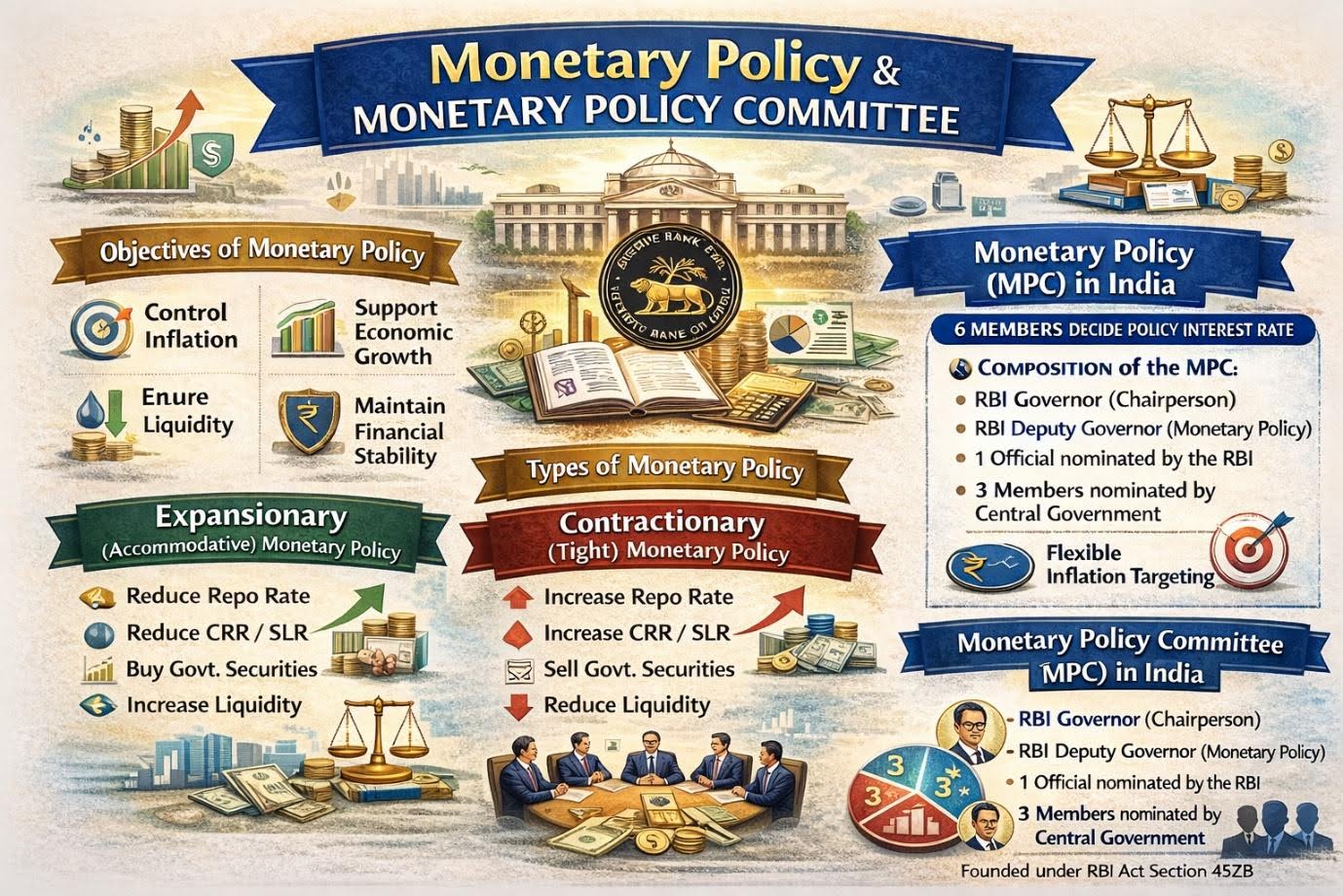
Monetary Policy and Monetary Policy Committee Monetary policy refers to the set of actions taken by the Reserve Bank of India to regulate money supply, credit availability, and interest rates in the economy. It is a key macroeconomic tool used to influence overall economic conditions such as inflation, growth, liquidity, and financial stability. By adjusting monetary instruments, the central bank seeks to ensure stable prices while supporting sustainable economic expansion. Objectives of Monetary Policy: Monetary policy aims to maintain macroeconomic stability by pursuing multiple economic goals. Its primary focus is to control inflation and preserve the purchasing power of money. At the same time, it seeks to support economic growth by ensuring adequate liquidity and credit flow to productive sectors. By creating favourable financial conditions, the policy also contributes to employment generation, stabilises the exchange rate, and promotes overall financial stability. Types of Monetary Policy: Depending on the economic situation, the central bank may adopt either an expansionary or a contractionary stance. Expansionary (Accommodative) Monetary Policy: Expansionary policy is used during periods of slow growth, recession, or weak demand. The objective is to increase liquidity and encourage borrowing and investment. This is achieved by reducing policy interest rates, which lowers the cost of loans for businesses and households. The central bank may also reduce reserve requirements, enabling banks to lend more. In addition, it may purchase government securities, injecting cash into the financial system. By making credit cheaper and more accessible, expansionary policy stimulates consumption, investment, and employment. However, if used excessively, it can lead to rising inflation or asset bubbles. Contractionary (Tight) Monetary Policy: Contractionary policy is adopted when the economy faces high inflation or overheating. The objective is to reduce excess liquidity and curb price pressures. Under this approach, the central bank raises interest rates, making borrowing costlier and discouraging excessive spending. It may also increase reserve requirements, limiting banks’ lending capacity. Additionally, the sale of government securities withdraws money from the financial system. Such measures help control inflation and stabilise the currency, although they may temporarily slow economic growth. Monetary Policy Framework in India The authority to formulate and implement monetary policy in India is provided under the Reserve Bank of India Act, 1934. A major institutional reform took place in 2016 with the introduction of the Monetary Policy Committee (MPC) and the adoption of a Flexible Inflation Targeting (FIT) framework. Monetary Policy Committee (MPC) in India The Monetary Policy Committee (MPC) is the institutional body responsible for setting the policy interest rate to achieve the inflation target under India’s monetary policy framework. The idea of establishing such a committee was first recommended by the Urjit Patel Committee to make interest rate decisions more transparent, rule-based, and collective. The legal foundation of the MPC comes from Section 45ZB of the amended RBI Act, 1934, which provides for a six-member committee to determine the policy repo rate. Composition of the MPC: The committee consists of six members, representing both the central bank and the government’s nominees:
This selection committee includes the Cabinet Secretary, the Secretary of the Department of Economic Affairs, the RBI Governor, and eminent experts in economics or banking nominated by the government. The mixed composition ensures a balance between institutional expertise and independent external perspectives. |
Policy priorities after the rate pause:
Conclusion:
The decision of the Reserve Bank of India to keep the repo rate unchanged reflects a calibrated approach amid low inflation, strong growth prospects, and global uncertainty. Going forward, the focus will be on ensuring effective policy transmission, managing external and inflation risks, and maintaining flexibility to support sustainable and stable economic growth.
Source: Indian Express
|
Practice Question Q. The Reserve Bank of India’s decision to maintain the repo rate reflects a cautious balancing of growth and inflation concerns. Discuss. (250 words) |
The repo rate is the interest rate at which the Reserve Bank of India lends short-term funds to commercial banks against government securities, and it serves as the primary tool to influence borrowing costs and liquidity in the economy.
The RBI maintained the rate at 5.25% because inflation is currently low and within the target range, growth remains strong (around 7.4%), and global uncertainties warrant a cautious, wait-and-watch approach.
The status quo provides stability for borrowers and investors, supports ongoing growth, and helps anchor inflation expectations while allowing the RBI flexibility to respond to future risks.



© 2026 iasgyan. All right reserved