Copyright infringement not intended
Picture Courtesy: The Hindu
Context:
India is set to launch a free nationwide Human Papillomavirus (HPV) vaccination programme targeting 14-year-old girls to prevent cervical cancer. The initiative aims to ensure equitable access across socio-economic groups and reduce the country’s high cervical cancer burden.
What is Cervical Cancer?
Cervical cancer is a malignancy that develops in the cervix, the lower part of the uterus that connects the uterus to the vagina. It occurs when cervical cells undergo abnormal genetic changes, leading to uncontrolled growth and tumour formation.
The disease is primarily caused by persistent infection with high-risk types of Human Papillomavirus (HPV), a very common sexually transmitted virus. Although most HPV infections are cleared naturally by the immune system, long-term infection with oncogenic strains can result in precancerous changes that may eventually progress to cancer.
Cervical cancer and HIV:
Women living with HIV face a substantially higher risk of developing cervical cancer due to weakened immune function. Evidence suggests that they are about six times more likely to develop the disease compared to women without HIV, and nearly 5% of global cervical cancer cases are attributable to HIV infection.
Since cervical cancer often affects women during their productive and reproductive years, its impact extends beyond health. The loss of mothers to the disease creates serious social and economic consequences, with a significant proportion of children becoming vulnerable due to cervical cancer-related mortality.
Disease Progression:
Almost all cases of cervical cancer originate from persistent infection with high-risk HPV strains. While most infections resolve spontaneously, chronic infection can lead to the development of precancerous lesions in cervical tissue.
If left untreated, these lesions may progress to invasive cancer over a period of 15–20 years. In women with compromised immunity, particularly those with untreated HIV, disease progression can be faster, sometimes occurring within 5–10 years.
Several factors influence the likelihood of progression:
- Infection with high-risk HPV types
- Weakened immune status
- Co-existing sexually transmitted infections
- Multiple pregnancies
- Early age at first pregnancy
- Long-term use of hormonal contraceptives
- Tobacco consumption
Prevention:
Preventing cervical cancer requires a comprehensive, life-course strategy that integrates awareness, vaccination, screening, and risk reduction.
- HPV vaccination: HPV vaccination is the most effective primary prevention measure. It is recommended for girls aged 9–14 years, ideally before exposure to the virus. Currently available vaccines protect against HPV types 16 and 18, which are responsible for the majority of cervical cancer cases.
While some countries also vaccinate boys to reduce transmission and prevent HPV-related cancers in men, achieving high vaccination coverage among adolescent girls remains the global priority. Additional preventive measures include avoiding tobacco use and practising safe sexual behaviour.
- Screening and management of precancerous lesions: Regular screening is essential for detecting cervical abnormalities before they develop into cancer. Women are generally advised to begin screening at 30 years of age, while women living with HIV should start earlier, typically at 25 years.
HPV-DNA testing is a highly sensitive screening method and is recommended at 5–10-year intervals. Self-sampling is emerging as a reliable and acceptable option, particularly for women facing geographic, social, or privacy-related barriers.
When abnormalities are detected, early treatment of precancerous lesions can effectively prevent cancer. Common treatment options include thermal ablation, cryotherapy, loop excision procedures (LEEP/LEETZ), and cone biopsy, depending on clinical indications.
- Early detection and treatment of invasive cancer: Cervical cancer is highly treatable when diagnosed at an early stage. Awareness of warning symptoms and timely medical consultation are crucial. Common symptoms include abnormal vaginal bleeding, persistent pelvic or back pain, unusual discharge, unexplained weight loss, or swelling of the legs.
Diagnosis involves clinical evaluation, imaging, and confirmation through histopathological examination. Treatment depends on the stage of the disease and may include surgery, radiotherapy, chemotherapy, or a combination of these modalities, along with supportive and palliative care when required.
Effective outcomes depend on timely referral, multidisciplinary management, and comprehensive support that addresses physical, psychological, and social needs
Current status of Cervical Cancer:
- Cervical cancer is a major global public health concern and ranks as the fourth most common cancer among women worldwide.
- In 2022, there were an estimated 660,000 new cases and approximately 350,000 deaths globally.
- Nearly 94% of cervical cancer deaths occur in low- and middle-income countries (LMICs), highlighting significant disparities in access to HPV vaccination, screening, and treatment services.
- The highest incidence and mortality rates are reported in Sub-Saharan Africa, Central America, South-East Asia. These high burdens are linked to weak health systems, low vaccine coverage, poverty, limited awareness, and gender inequalities that restrict access to preventive healthcare.
- India carries a substantial share of the global burden, with around 127,000 new cases and nearly 80,000 deaths annually.
- India contributes over 60% of cervical cancer cases and deaths in the WHO South-East Asia Region (SEARO), making cervical cancer control a critical public health priority for the country.
Salient features of the nationwide HPV vaccination campaign:
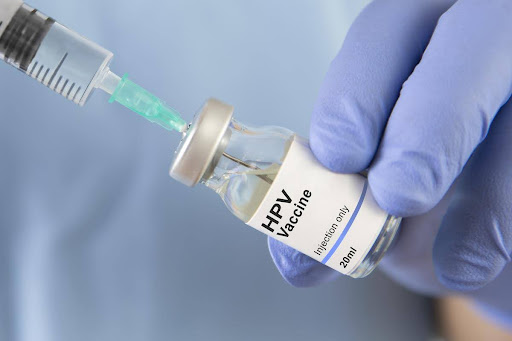
- Nationwide initiative: The Government of India is set to launch a free nationwide Human Papillomavirus (HPV) vaccination programme as a major public health intervention to reduce the burden of cervical cancer and strengthen preventive healthcare for women.
- Target group: The programme will primarily cover adolescent girls aged 14 years, as vaccination at this stage provides maximum protection when administered before potential exposure to the HPV virus.
- Cost and coverage: The HPV vaccine will be voluntary and provided free of cost, ensuring that financial barriers do not limit access. The initiative aims to promote equitable coverage across all socio-economic groups and will be implemented uniformly across all States and Union Territories.
- Type of vaccine: India will use Gardasil, a quadrivalent HPV vaccine that offers protection against HPV types 16 and 18, which are responsible for more than 80% of cervical cancer cases, as well as types 6 and 11, which cause genital warts.
- Dosage schedule: The programme will follow a single-dose vaccination schedule, supported by scientific evidence indicating that a single dose provides strong and long-lasting protection in the recommended age group.
- Procurement and supply: Vaccine procurement has been carried out through a transparent and globally supported mechanism to ensure uninterrupted supply and quality standards. The programme is being implemented in partnership with Gavi, the Vaccine Alliance, which supports affordability, reliability, and adherence to international quality norms.
- Delivery platforms: Vaccination will be administered at designated government health facilities, including Ayushman Arogya Mandirs (Primary Health Centres), Community Health Centres, Sub-District and District Hospitals, and Government Medical Colleges, thereby utilising the existing public health infrastructure.
- Safety measures: Each vaccination session will be conducted under the supervision of trained medical officers and healthcare personnel, with provisions for post-vaccination observation. All vaccination sites will be linked to 24×7 government health facilities to ensure immediate medical support in the rare event of adverse reactions.
- Public health rationale: Cervical cancer remains a major health concern in India, with nearly 80,000 new cases and over 42,000 deaths reported annually. Since almost all cases are caused by persistent infection with high-risk HPV types, early immunisation serves as a highly effective preventive strategy.
- Complementary measures: HPV vaccination is a preventive measure but does not eliminate the need for screening. Women are still advised to undergo regular Pap smear or HPV testing later in life for early detection of precancerous changes.
Challenges in the implementation of the HPV vaccination drive:
- Low awareness and social stigma: Limited public awareness about HPV and its link to cervical cancer remains a major barrier. Misconceptions that the vaccine is related to sexual activity often create social hesitation, cultural resistance, and parental reluctance, especially in conservative settings.
- Vaccine hesitancy and safety concerns: Concerns about vaccine safety, side effects, and misinformation spread through social media may lead to vaccine hesitancy, affecting acceptance and coverage levels.
- Logistical and infrastructure constraints: Ensuring cold chain maintenance, last-mile delivery, and adequate storage facilities across remote and rural areas poses operational challenges. Variations in health infrastructure across States may affect uniform implementation.
- Identification and coverage of target population: Reaching all 14-year-old girls, especially those who are out of school, from migrant families, or living in remote and marginalised communities, may be difficult and could lead to coverage gaps.
- Human resource and capacity issues: The programme requires trained healthcare personnel, adequate staffing, and proper monitoring. Existing frontline workers may face an increased workload due to multiple ongoing health programmes.
- Financial and long-term sustainability: Although supported through global partnerships, ensuring sustained funding and domestic procurement capacity over the long term will be essential for programme continuity.
- Weak screening linkages: Vaccination alone cannot eliminate cervical cancer. However, low screening coverage among adult women and weak integration between vaccination and screening services may limit the overall impact.
Government initiatives for Cervical Cancer prevention in India:
- National Programme for Prevention and Control of Cancer, Diabetes, Cardiovascular Diseases and Stroke (NPCDCS): Under National Programme for Prevention and Control of Cancer, Diabetes, Cardiovascular Diseases and Stroke (NPCDCS), the government promotes population-based screening for cervical cancer among women aged 30 years and above. Screening is conducted at Sub-Centres, Primary Health Centres, and higher facilities using methods such as Visual Inspection with Acetic Acid (VIA), followed by referral and treatment when required.
- Population based screening initiative: Cervical cancer screening has been integrated into the population-based screening (PBS) strategy under the National Health Mission. Accredited Social Health Activists (ASHAs) mobilise eligible women, ensuring early detection of precancerous lesions and timely referral.
- Ayushman Arogya Mandir (Health and Wellness Centres): The transformation of Sub-Health Centres and PHCs into Ayushman Arogya Mandirs under the Ayushman Bharat Health and Wellness Centres has strengthened comprehensive primary healthcare, including screening, awareness, counselling, and referral services for cervical cancer.
- Ayushman Bharat – Pradhan Mantri Jan Arogya Yojana (PM-JAY): The Ayushman Bharat Pradhan Mantri Jan Arogya Yojana (PM-JAY) provides financial protection for secondary and tertiary cancer treatment, including surgery, chemotherapy, and radiotherapy for cervical cancer patients from economically vulnerable families.
- National Cancer Grid (NCG): The National Cancer Grid connects major cancer centres across India to ensure standardised treatment protocols, improved referral pathways, and capacity building, thereby enhancing the quality and accessibility of cancer care.
- National Cancer Registry Programme (NCRP): The National Cancer Registry Programme (NCRP), implemented by the Indian Council of Medical Research (ICMR), collects data on cancer incidence and trends, supporting evidence-based planning and policy decisions for cervical cancer control.
|
HPV Vaccination
What is HPV Vaccination?
Human Papillomavirus (HPV) vaccination is a preventive intervention designed to protect individuals against infection from high-risk HPV types that can cause cervical cancer and other HPV-related diseases. The vaccine works by stimulating the immune system to develop protection against the virus before exposure occurs.
Public health importance:
HPV infection is responsible for almost all cases of cervical cancer, along with several other cancers such as anal, oropharyngeal, penile, vulvar, and vaginal cancers. Since cervical cancer develops slowly over many years, vaccination offers an effective primary prevention strategy, significantly reducing disease burden and mortality.
Target age group:
HPV vaccination is most effective when administered before the onset of sexual activity. It is recommended primarily for girls aged 9–14 years, as the immune response is strongest in this age group and protection is achieved prior to potential exposure to the virus. Some countries also vaccinate boys to reduce transmission and prevent HPV-related cancers in men.
Types of HPV vaccines:
Currently available vaccines provide protection against the most common high-risk HPV strains:
- Bivalent vaccine: Protects against HPV types 16 and 18
- Quadrivalent vaccine: Protects against HPV types 6, 11, 16, and 18
- Nonavalent vaccine: Provides broader protection against nine HPV types
HPV types 16 and 18 alone account for the majority of cervical cancer cases worldwide.
|
Conclusion:
HPV vaccination represents a cost-effective and evidence-based strategy to significantly reduce the burden of cervical cancer, a largely preventable disease. When combined with regular screening, early treatment, and public awareness, it can help India move towards the elimination of cervical cancer as a public health problem and strengthen women’s health outcomes in the long term.
Source: The Hindu
|
Practice Question
Q. Cervical cancer remains a major public health challenge in India despite being largely preventable. Discuss (250 words)
|
Frequently Asked Questions (FAQs)
Human Papillomavirus (HPV) is a common sexually transmitted infection. Persistent infection with high-risk HPV types is responsible for almost all cases of cervical cancer and several other cancers.
For adolescents in the recommended age group, a single-dose schedule (as adopted in India) provides strong and long-lasting protection. Additional doses may be required for older individuals or those with weakened immunity.
The vaccine protects against HPV types that cause cervical cancer, other anogenital cancers, and genital warts.