The Union Cabinet approved a ₹2,584.60 crore scheme to add 1,500 MW of Small Hydro Power (up to 25 MW) by 2031. It prioritizes North Eastern and border regions, mandates indigenous procurement, and provides stable, eco-friendly baseload power for India’s energy transition.
Copyright infringement not intended
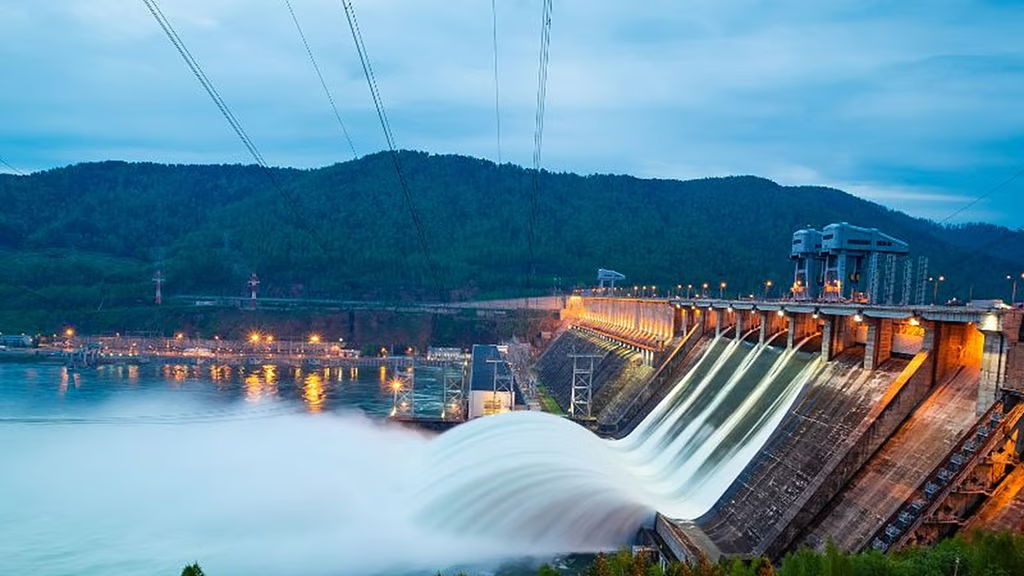
Picture Courtesy: psuwatch
Context
The Union Cabinet has approved the ‘Small Hydro Power (SHP) Development Scheme’ for the period from FY 2026-27 to FY 2030-31.
What is Small Hydro Power (SHP) Development Scheme?
It is a centrally sponsored initiative aimed at installing 1–25 MW hydroelectric projects in India. With an outlay of ₹2,584.60 crore, to develop 1,500 MW of renewable power.
Key Features
Capacity Definition: In India, hydropower plants with an installed capacity of up to 25 MW are classified as Small Hydro Power projects.
Indigenous Manufacturing: Aligned with the 'Atmanirbhar Bharat' initiative, the scheme mandates 100% domestic procurement of all plant and machinery.
Project Pipeline Development: An amount of ₹30 crore is allocated to state and central agencies for preparing Detailed Project Reports (DPRs) for approximately 200 future projects.
Economic Impact: The scheme is projected to attract total investments of ₹15,000 crore and create 51 lakh person-days of employment during construction, in addition to long-term operational jobs. (Source: PIB)
Central Financial Assistance (CFA) Structure
|
Category of State/Region |
Assistance per MW |
Percentage of Project Cost |
Maximum Assistance per Project |
|
North Eastern states, Hilly states & districts with international borders |
₹3.6 crore |
30% |
₹30 crore |
|
Other States |
₹2.4 crore |
20% |
₹20 crore |
Significance of SHP for India's Energy Goals
Vast Untapped Potential
India has SHP potential of 21,133 MW across 7,133 sites, but only 5,108 MW was installed as of mid-2025. States like Arunachal Pradesh, Himachal Pradesh, J&K, and Uttarakhand hold the majority of this potential. (Source: IIT Roorkee).
Grid Stability
Unlike intermittent solar and wind power, SHP provides reliable baseload power => Crucial for grid stability, especially during monsoon seasons when solar generation decreases.
Reduced Transmission Losses
SHP projects are decentralized and generate power for local consumption. This eliminates the need for long transmission lines => Cutting down the high Transmission and Distribution (T&D) losses common in remote areas.
Environmentally Sustainable
SHP projects are predominantly 'run-of-the-river' types. They require minimal land submergence and avoid the large-scale deforestation and community displacement associated with large hydroelectric dams.
Impact of SHP Projects on Remote Areas
Strategic Importance
By establishing decentralized micro-grids, SHP enhances energy self-reliance in strategic border districts, supporting the objectives of the 'Vibrant Villages Programme'.
Enhancing Rural Livelihoods
In Putsil village, Odisha, a 14 kW micro-hydro project enabled the setup of agro-processing units like rice mills, boosting family incomes by ₹10,000–12,000 annually and reducing manual labor for women. (Source: Down To Earth)
Reducing Fossil Fuel Dependency
In Udmaroo village, Ladakh, a 32 kW micro-hydro unit replaced polluting diesel generators, saving the community over ₹1.2 lakh annually and providing power for heating during harsh winters. (Source: LEISA)
What are the Challenges in the SHP Sector?
Commercial Viability
Power Distribution Companies (Discoms) are often hesitant to sign long-term Power Purchase Agreements (PPAs) as SHP tariffs can be higher than the falling costs of solar power. (Source: Parliamentary Standing Committee on Energy
Geographical Risks
The hilly regions with high SHP potential are prone to natural disasters like landslides and flash floods, which can damage infrastructure and cause project delays.
Bureaucratic Hurdles
Despite exemption from Environmental Impact Assessments (EIAs), developers face delays in obtaining land, forest, and irrigation clearances from multiple local authorities.
Disruption of Local Flow
Diverting water for "run-of-the-river" projects can dry up local streams used by villagers for irrigation and drinking water
Way Forward
Policy and Regulatory Streamlining
Single-Window Clearance: States should implement a unified digital portal to expedite environmental, forest, and techno-economic clearances, reducing the gestation period from 5–7 years to 3 years.
Standardized Power Purchase Agreements (PPAs): Ensuring long-term, bankable PPAs with "must-run" status will provide financial certainty to private developers.
Financial and Economic Incentives
Viability Gap Funding (VGF): Increasing the central financial assistance for SHP projects in difficult terrains like the Himalayas and North-East India to offset high civil construction costs.
Green Bonds and Low-Interest Loans: Leveraging international climate finance and specialized green bonds to provide low-cost capital for small-scale hydro developers.
Technological Innovation
Hybrid Systems: Integrating SHP with Solar or Wind power to create "Hybrid Renewable Energy Systems" that ensure a stable power supply even during lean water flow seasons.
Silt-Resistant Turbines: Investing in R&D for advanced coatings and turbine designs that can withstand the high sediment load typical of Himalayan rivers.
Environmental and Social Safeguards
Cumulative Impact Assessment: Instead of evaluating projects in isolation, the government should conduct Basin-wide Impact Assessments to ensure the ecological health of the entire river system.
Community-Led Models: Adopting the "Gram Panchayat" or community-ownership model where local villagers share in the profits, ensuring better social acceptance and local maintenance.
Infrastructure Development
Evacuation Infrastructure: Developing dedicated transmission corridors in remote regions through the Green Energy Corridor project to reduce transmission losses.
Learn from Global Best Practices
Indonesia (Community Ownership): The IBEKA model makes the local community the legal owner of the SHP plant. Revenue from selling surplus power to the grid is used to fund local health and education, ensuring long-term sustainability.
Norway (Resource Mapping): Norway generates nearly 95% of its electricity from hydro. Its success is built on state-funded, detailed Geographic Information System (GIS) mapping of all local streams to accurately assess power potential before project allocation.
Conclusion
To advance Panchamrit goals, India should implement single-window clearances and a dedicated Hydro Purchase Obligation (HPO) to ensure the financial viability and rapid deployment of Small Hydro Power.
Source: pib
|
PRACTICE QUESTION Q. “While Small Hydro Power presents a sustainable alternative to large-scale hydroelectric projects, its widespread adoption is hindered by structural and geographical challenges." Analyze. 150 words |
In India, SHP refers to hydroelectric projects with a station capacity of up to 25 MW. These are decentralized plants that generate electricity from flowing water with minimal environmental impact compared to large dams.
The Union Cabinet approved an outlay of ₹2,584.60 crore for the period FY 2026-27 to 2030-31 to support the addition of 1,500 MW of renewable capacity.
The scheme prioritizes North Eastern states and border districts. These areas receive differential (higher) financial support to offset higher construction costs and difficult terrain.



© 2026 iasgyan. All right reserved