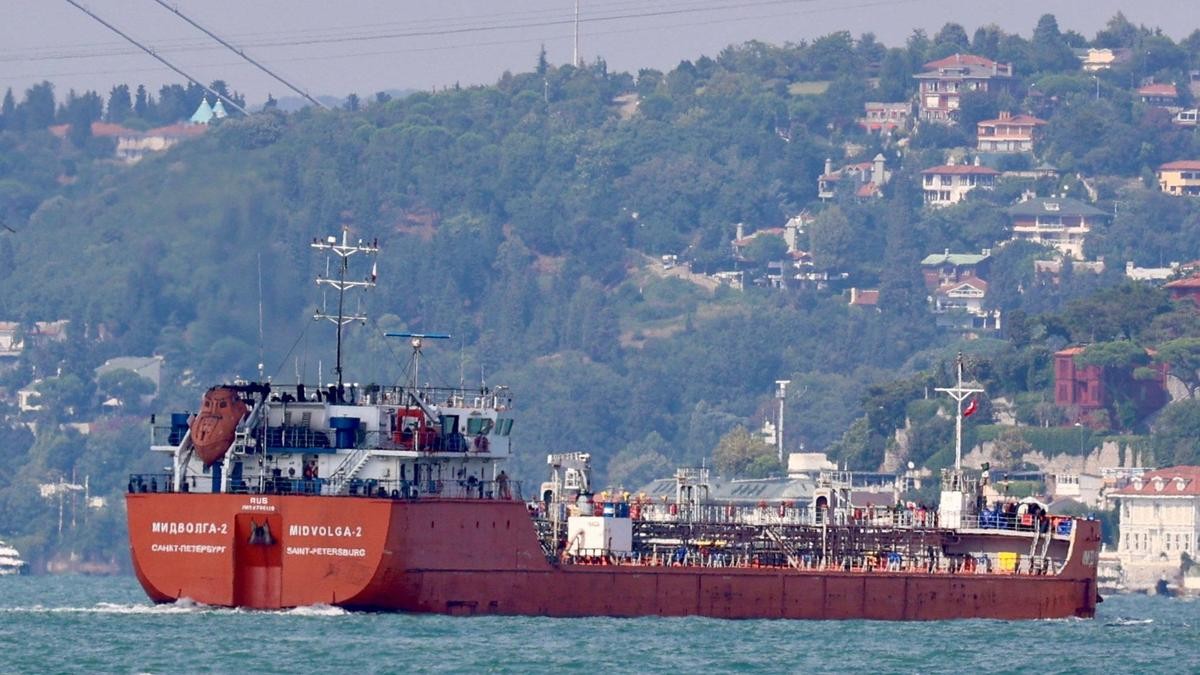
India’s crude oil basket has evolved from dominant dependence on West Asia to a more diversified mix, influenced by geopolitics, sanctions, price dynamics, and refinery flexibility. The decline of Iranian supplies due to sanctions, the rise of U.S. and African crude, and especially the rapid increase in discounted Russian oil since 2022 have reshaped India’s sourcing pattern. Today, India imports nearly 85% of its crude requirement, with Russia emerging as a leading supplier alongside Middle Eastern producers, reflecting a strategy focused on cost efficiency, energy security, and diplomatic balancing.
Copyright infringement not intended
Picture Courtesy: The Hindu
India’s crude oil import basket has undergone significant transformation over the decades, driven by changing geopolitics, economic considerations, refinery compatibility, sanctions regimes, and the strategic need to diversify sources to enhance energy security.
|
Must Read: Crude Oil Prices | Crude Oil Crisis | INDIA’S IMPORT OF CRUDE OIL | STEPS TAKEN TO REDUCE CRUDE OIL IMPORT | |
Early reliance on West Asia: In the initial decades up to the early 2000s, India’s crude oil basket was overwhelmingly dominated by West Asian suppliers, with countries such as Saudi Arabia, Iraq, Iran, Kuwait, and the United Arab Emirates accounting for more than two-thirds of total imports, primarily because of geographical proximity, lower freight costs, and long-term supply contracts.
Gradual diversification beyond the Middle East: From around 2005 onwards, India began to broaden its sourcing strategy, gradually including African producers such as Nigeria and Angola and Latin American suppliers such as Venezuela, and this diversification reflected India’s desire to reduce overdependence on the politically sensitive Gulf region while also accessing new crude grades and price advantages.
Impact of sanctions on Iran: International sanctions on Iran following concerns over its nuclear programme disrupted earlier supply relationships, and India consequently scaled down its crude oil purchases from Tehran, forcing refiners to substitute Iranian supplies with additional imports from Saudi Arabia, Iraq, the UAE, the U.S., and African countries.
Short-lived recovery of Iranian oil: After the temporary lifting of sanctions in 2016, Iran briefly regained significance in India’s crude basket as imports rose due to favourable pricing and credit terms, but the reimposition of U.S. sanctions soon led to another steep decline in Indian purchases, again reshaping the sourcing pattern away from Iran.
Rise of the United States and the Americas: In the late 2010s, India increasingly integrated crude imports from the Americas, especially U.S. shale oil and Latin American barrels, motivated by both geopolitical alignment and the flexibility of spot market purchases, thus adding a new geographic dimension to India’s crude basket.
Russian oil’s late entry and rapid expansion: A major structural change occurred after 2022 when India significantly expanded purchases of discounted Russian oil amid Western sanctions following the Ukraine conflict, and Russian crude rapidly moved from a marginal share to one of the largest contributors to India’s import basket due to price discounts and compatibility with Indian refineries.
Current regional composition: India’s crude oil basket today is more geographically diversified than ever before, with the Middle East remaining important but with substantial shares now coming from Russia, Africa, and the Americas, thereby reducing single-region vulnerability while retaining economic competitiveness.
Drivers behind the changing basket: These shifts have been primarily shaped by sanctions, wars, price movements, freight costs, refinery configurations, currency fluctuations, and India’s deliberate policy of diversification to insulate the economy from supply shocks and inflationary pressures.

Geopolitical disruption and opportunity: After Russia’s full-scale invasion of Ukraine in February 2022, Western countries (US, EU) imposed sanctions on Russian oil and energy exports. Russia responded by offering large discounts on crude to buyers willing to continue purchasing its barrels — a market opportunity India capitalised on.
Dramatic increase in Russian crude share
Economic rationale for India
Several key reasons explain this shift:
What are the broader consequences of buying Russian oil?
Economic savings and cost-competitiveness: India benefited economically from discounted Russian crude, that helped lower India’s total oil import bill by approximately USD 7 billion–10 billion in 2024, making cheaper supplies a key factor in refining cost savings.
Limited direct consumer benefit: Despite these savings at the import level, Indian refiners and governments did not fully pass on the benefits of cheaper Russian oil to consumers, partly because fuel taxes remained high, limiting price relief at the pump.
Exposure to trade pressures and sanctions risk: India’s continued purchases have drawn escalating U.S. punitive tariffs, including a 50 % tariff on Indian goods linked to Russian oil imports, elevating the risk of retaliatory trade consequences and trade friction with Western partners.
Trade imbalance with Russia: The growth in Russian oil purchases contributed to a massive bilateral trade imbalance, since India’s imports from Russia rose sharply without a proportionate increase in Indian exports, creating long-term strategic economic asymmetry in the relationship.
Potential inflationary impact if supplies tighten: If access to Russian supplies is significantly restricted, India’s import bill could spike by USD 9 billion–11 billion annually, which would translate into higher crude costs, compressed refinery margins, and upward pressure on fuel prices.
Expanding Strategic Petroleum Reserves (SPR): India can enhance its strategic crude oil security by rapidly expanding the capacity of Strategic Petroleum Reserves from the current ~5–5.5 million tonnes toward 90–120 days of import cover, integrating both underground caverns and above-ground storage managed through public–private partnerships to cushion against global supply shocks.
Diversifying crude oil import sources: India strengthens strategic energy security when it reduces overdependence on any single geography or supplier and builds a multi-source import basket that includes the Middle East, Russia, Africa, Latin America, and the United States, because diversification minimizes geopolitical vulnerability and price risk.
Long-term supply contracts and government-to-government deals: Energy security is enhanced when India signs long-term crude supply agreements and government-to-government deals, which ensure predictable volumes, reduce spot-market dependence, stabilize prices for refiners, and strengthen diplomatic energy partnerships.
Strengthening strategic diplomatic energy relations: India enhances security when it uses energy diplomacy, multilateral forums, and bilateral partnerships to secure stable crude flows, especially with OPEC+, key West Asian producers, Russia, and emerging African suppliers, aligning economic policy with foreign policy priorities.
Promoting alternatives to crude oil to ease strategic pressure: Reducing crude dependence also enhances security when India scales up biofuels, electric mobility, hydrogen, natural gas and energy efficiency, because lower crude consumption directly reduces strategic vulnerability to external supply disruptions.
India’s crude oil basket has shifted from heavy reliance on West Asia to a more diversified, opportunity-driven mix, with Russia emerging as a major supplier, reflecting how geopolitics, sanctions, price discounts, and energy security considerations have collectively reshaped India’s import strategy over time.
Source: The Hindu
|
Practice Question: Q. India’s crude oil import basket has undergone significant transformation in the last two decades. Discuss the major factors driving this shift and analyze its economic and geopolitical implications for India. (250 words) |
India depended mainly on West Asia because of geographical proximity, lower transportation costs, long-term supply contracts, and abundant reserves in countries like Saudi Arabia, Iraq, Iran, Kuwait, and the UAE.
Russia became a major supplier mainly due to discounted crude after the 2022 Ukraine conflict, along with compatibility of Russian grades with Indian refineries and India’s strategic push to diversify its import basket.
India imports about 85% of its crude oil requirement, as domestic production is insufficient to meet rising energy demand.




© 2026 iasgyan. All right reserved