Unsafe and unreliable urban drinking water is pushing households toward bottled water, increasing dependence on single-use plastics and exposing people to microplastics. India generates about 9.3 million tonnes of plastic waste annually, with significant leakage into the environment due to collection gaps. At the same time, cities produce nearly 48,000 MLD of sewage, but only ~56% is effectively treated, allowing pollution to re-enter water sources and worsen water quality. The recycling system relies heavily on informal waste pickers who recover ~40% of recyclables, yet modern waste reforms often reduce their incomes and exclude them from formal systems, while sanitation workers continue to face hazardous conditions. The issue highlights a vicious cycle linking water insecurity, plastic pollution and invisible labour, underscoring the need for integrated, inclusive and infrastructure-led urban sustainability.
Copyright infringement not intended
Picture Courtesy: Down to Earth
Context:
India’s urban drinking water systems, even in top-ranked “clean” cities, are increasingly failing to ensure safe and reliable supply.
|
Must Read: MICROPLASTIC POLLUTION & HEALTH ISSUES | Groundwater Contamination in India | |
Background of the issue:
Importance of the water – waste livelihood link:
Public health at risk: Declining trust in municipal water supply is pushing urban households toward bottled alternatives, which studies have found to contain micro and nano-plastics, even as contaminated public sources continue to trigger periodic outbreaks of waterborne diseases in cities.
Growing plastic burden: This rising dependence on packaged water is intensifying plastic consumption, contributing to India’s 9.3 million tonnes of annual plastic waste, of which PET bottles account for nearly 13%, while only about 81% is effectively collected, leaving the remainder to pollute rivers, soil and groundwater.
Threat to water security: The environmental leakage is compounded by the wastewater crisis, as urban India generates nearly 48,000 MLD of sewage but treats only around 56%, allowing untreated effluents to contaminate surface and groundwater and further reinforce the cycle of unsafe drinking water.
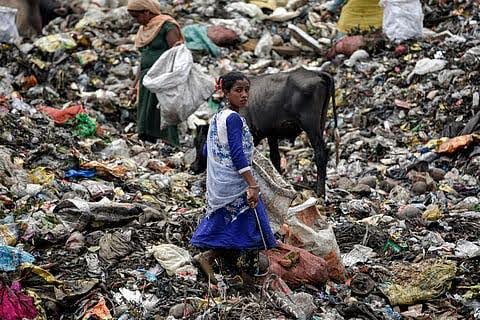
Livelihood and inclusion challenges: Within this cycle, informal waste pickers play a critical role by recovering nearly 40% of urban recyclables, yet modernised waste systems have reduced their earnings by 50–70%, as seen in Surat, exposing the social costs of infrastructure-led cleanliness reforms.
Invisible and hazardous sanitation work: At the same time, wastewater management depends heavily on informal sewer and septic workers, and recurring fatalities during manual cleaning operations highlight the persistent gap between sustainability ambitions and worker safety and dignity.
Credibility of urban governance: These structural weaknesses become more visible when cities that rank high in cleanliness indices, such as Indore, continue to face concerns over water quality, revealing a mismatch between visible sanitation achievements and core service delivery outcomes.
Risks to circular economy: Excluding informal workers from formal systems ultimately weakens material recovery efficiency, undermines plastic reduction efforts and threatens India’s progress toward SDG 6 (Clean Water), SDG 11 (Sustainable Cities) and SDG 12 (Responsible Consumption).
Barriers in breaking the water – plastic labour cycle:
Way Forward:
Restoring trust in public drinking water: Cities must prioritise reliable and safe municipal supply through real-time quality monitoring, pipeline upgrades and public refill infrastructure. Singapore’s public water system with advanced treatment, continuous monitoring and island-wide drinking fountains has ensured high public trust, significantly reducing dependence on bottled water.
Optimising wastewater treatment: India needs to move beyond the current ~56% effective sewage treatment by investing in decentralised plants, reuse systems and strict compliance. Israel treats and reuses nearly 85–90% of its wastewater, mainly for agriculture, demonstrating how wastewater can become a resource rather than a pollutant.
Cutting plastic at source through economic instruments: Reducing PET bottle waste requires deposit - refund systems and strong producer accountability. Germany’s Pfand system (deposit-return for bottles) has achieved over 90% recovery rates, drastically minimising plastic leakage into the environment.
Integrating informal waste workers into formal systems: Formal recognition, cooperatives and contractual roles can protect livelihoods while improving efficiency. Brazil’s waste picker cooperatives (catadores) are integrated into municipal waste systems, providing stable incomes, social protection and higher recycling rates.
Conclusion:
True sustainability requires recognising the full cycle of water, waste and labour. Without systemic integration and social protection for informal workers, environmental progress will remain superficial and inequitable.
Source: Down to Earth
|
Practice Question Q. Urban sustainability initiatives in India often overlook the interlinkages between water security, plastic waste and informal labour. Examine. |
Declining trust in municipal supply due to contamination, intermittent availability and ageing infrastructure is pushing households toward packaged water as a perceived safer alternative.
India generates about 9.3 million tonnes of plastic waste annually, with PET bottles contributing nearly 13%, and independent estimates suggest only about 81% is effectively collected.
Urban areas generate around 48,000 MLD of sewage, but effective treatment is only about 56%, allowing untreated wastewater to contaminate rivers and groundwater.

© 2026 iasgyan. All right reserved