Groundwater contamination in India poses a severe threat to public health, agriculture, and economic productivity. With nearly 20% of samples across 440+ districts exceeding safe limits for fluoride, arsenic, nitrate, and heavy metals, millions rely on unsafe water for drinking and irrigation. Industrial effluents, overuse of agricultural chemicals, untreated sewage, and over-extraction are key drivers. The multidimensional impacts include health crises, reduced agricultural yields, economic losses, and social inequality. Government initiatives like the National Rural Drinking Water Programme, Jal Jeevan Mission, and National Programme for Prevention and Control of Fluorosis aim to provide safe water and monitor quality, but challenges remain. Urgent, coordinated action integrating real-time monitoring, pollution control, sustainable agricultural practices, and public awareness is essential to safeguard India’s water security and health.
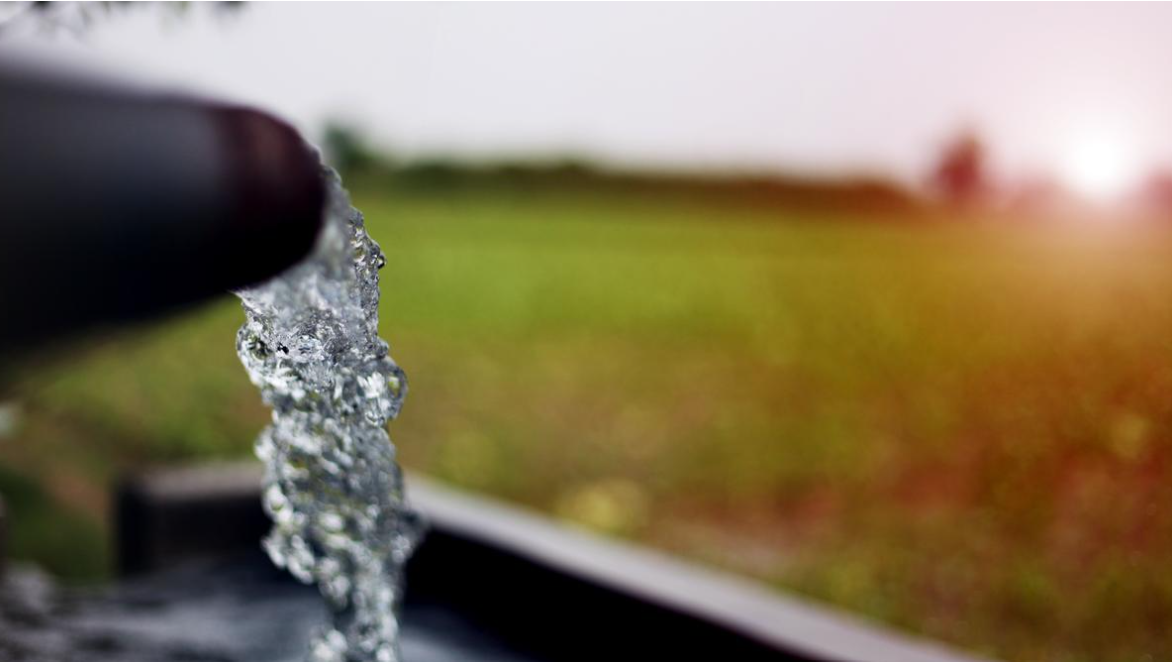
Copyright infringement not intended
Picture Courtesy: The Hindu
Groundwater contamination in India is no longer an invisible environmental issue, it has become a public health emergency, an agricultural productivity challenge, and a silent economic drain. With nearly 600 million Indians dependent on groundwater for drinking and irrigation, contamination poses grave implications for health, food security, and long-term development.
According to the Central Ground Water Board (CGWB) Annual Groundwater Quality Report 2024, nearly 18–20% of tested groundwater samples across 440+ districts show concentrations above permissible limits for one or more contaminants.
These contaminants include:
NITI Aayog Composite Water Management Index (CWMI) highlights that 70% of India’s water is contaminated, making groundwater quality a critical national concern.
Water-Borne and Chronic Diseases
|
Case Study: In Mehsana district, Gujarat, chronic fluoride exposure has led to high incidences of skeletal deformities, limiting labor productivity and increasing healthcare costs. |
Economic burden on households: Out-of-pocket expenditure for water-related illnesses remains high, pushing families into poverty traps. World Bank (2019) estimated that unsafe water and environmental degradation reduce India’s GDP by 6–8% annually.
Reduced Crop Yields: Heavy metals and chemical contaminants degrade soil quality. Studies indicate that farms irrigated with polluted water in Punjab and Haryana show 15–20% lower yields for staple crops like wheat and rice.
Rural Poverty and Inequality: Poor households cannot afford water purification or bottled water, deepening socio-economic divides. In Nalgonda district, Telangana, fluorosis-affected households face a lifetime of healthcare costs and lost earning potential.
Biodiversity Loss: Heavy metal seepage into wetlands and rivers affects aquatic ecosystems and terrestrial wildlife dependent on groundwater-fed habitats. CPCB 2023 indicates nitrate and heavy metal seepage into river basins is accelerating eutrophication and biodiversity loss.
Climate change and disaster vulnerability: Contaminated aquifers reduce resilience to droughts and extreme weather events, impacting agriculture and rural livelihoods. During the 2019 Maharashtra drought, dependence on polluted groundwater intensified malnutrition and water-borne diseases in affected villages.
Global Food Safety: Contaminated crops can lead to export rejections, as seen with rice and vegetables from West Bengal, affecting India’s global trade reputation. FAO (2022) warned that persistent heavy metal contamination threatens export competitiveness and food security.
Water Quality Standards
Environmental Legislation
Case Study: In Tiruppur, Tamil Nadu, strict enforcement of effluent treatment plants (ETPs) under the Water Act led to measurable reductions in chromium and dye pollutants in groundwater. |
|
Category |
Programme / Initiative |
Key Features / Objectives |
|
National Programmes and Schemes |
National Rural Drinking Water Programme (NRDWP) |
Provides safe drinking water to rural populations through community-based water quality monitoring and treatment units; Focus on arsenic, fluoride, and nitrate mitigation in hotspot areas |
|
Jal Jeevan Mission |
Aims for tap water connections in all rural households; Complemented with safe groundwater testing and treatment solutions; Includes point-of-use filtration and community purification systems |
|
|
National Programme for Prevention and Control of Fluorosis |
Targets fluoride-affected districts with interventions like rainwater harvesting, defluoridation units, and alternate safe water sources |
|
|
National Project on Contaminated Sites |
Focuses on industrial contamination hotspots; Maps groundwater pollution; Recommends remediation measures |
|
|
Monitoring and Research Initiatives |
Central Ground Water Board (CGWB) |
Operates a network of ~20,000 monitoring wells; Publishes Annual Groundwater Quality Report covering fluoride, arsenic, nitrate, uranium, heavy metals; Conducts hydrogeological assessments to guide aquifer management |
|
Real-Time Monitoring Pilots |
GIS and remote sensing-based monitoring in Punjab and Haryana; Tracks groundwater levels and contamination trends; Facilitates early warning systems for chemical contamination and over-extraction |
|
|
Public Access to Data |
Government portals like Bhuvan (ISRO) and CGWB water quality dashboards; Provides open-access data for communities, NGOs, and policymakers |
Groundwater contamination in India poses a multifaceted threat to public health, agriculture, and economic development. Driven by industrial effluents, excessive agrochemical use, over-extraction, and untreated sewage, it disproportionately affects vulnerable communities. Addressing this crisis requires integrated solutions—strict enforcement of regulations, sustainable farming practices, efficient wastewater management, and real-time monitoring—to safeguard water quality, ensure food security, and protect human capital.
Source: The Hindu
|
Practice Question Q. India faces a growing crisis of groundwater contamination. Discuss the main drivers of this problem and analyse its multidimensional implications for health, agriculture, and the economy. Suggest government measures and policy interventions to mitigate this issue. (250 words) |
Major contaminants include fluoride, arsenic, nitrate, uranium, and heavy metals. These vary regionally, e.g., fluoride in Rajasthan and Telangana, arsenic in West Bengal and Bihar, and uranium in Punjab.
Punjab and Haryana face uranium contamination due to over-extraction; the Ganga–Brahmaputra plains report high arsenic levels; Nalgonda in Telangana is affected by fluorosis.
Long-term exposure can cause skeletal deformities, fluorosis, arsenicosis, gastrointestinal diseases, kidney problems, and impaired cognitive development in children.


© 2026 iasgyan. All right reserved