An Action Against Hunger report warns of a deepening global food crisis, centred on Africa and Nigeria, driven by conflict, climate shocks, economic collapse, and funding gaps. With 295 million food insecure, it exposes SDG-2 failure and urges urgent humanitarian-development-peace action.
Copyright infringement not intended
Picture Courtesy: DOWNTOEARTH
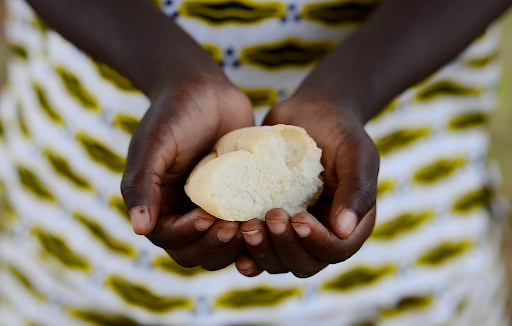
A report released by Action Against Hunger has placed Africa at the heart of an escalating global food crisis.
What is Action Against Hunger Report?
It is an annual publication detailing the global humanitarian organization's efforts to end hunger, malnutrition, and their root causes (conflict, climate change, poverty).
It integrates data from the State of Food Security and Nutrition in the World (SOFI) 2025 and Global Report on Food Crises (GRFC) 2025 reports.
The 2026 report reveals that a combination of conflict, climate change, and economic instability has created a 'perfect storm,' pushing millions to the brink of starvation and jeopardising the continent's development goals.
Highlights of the 2026 Report
Key Drivers of the Food Crisis
Armed Conflict and Mass Displacement
Conflict remains the primary driver of hunger, destroying agricultural infrastructure, disrupting markets, and causing mass displacement, which makes populations entirely dependent on humanitarian aid.
|
Country |
Key Conflict Driver |
Impact on Food Security |
|
Nigeria |
Decade-long insurgency and widespread banditry in northern states. |
Agriculture is crippled. In Borno state, 15,000 people face catastrophic hunger (IPC Phase 5). |
|
Sudan |
Civil war plunging the nation into one of the world's worst hunger emergencies. |
Famine is confirmed in parts of Darfur. It has caused the world's highest internal displacement, with over 10 million people affected. |
|
DRC |
Decades of conflict in eastern provinces, despite immense agricultural potential. |
25.6 million people are acutely food insecure. |
Climate Change and Environmental Shocks
Climate change acts as a "threat multiplier," intensifying the food crisis. Extreme weather events like droughts and floods destroy livelihoods and trap communities in a cycle of poverty.
Economic Collapse and Fragile Governance
High inflation on essentials (food, fertilizer, fuel) stresses incomes. In conflict zones, failing public services (health, water) worsen disease and malnutrition vulnerability.
Humanitarian Funding Gaps
The international aid system is under severe strain due to funding cuts from donor nations. This has severely hampered the delivery of life-saving assistance.
Lessons and Best Practices for Intervention
Humanitarian-Development-Peace Nexus (HDPN): A coordinated strategy for simultaneously implementing aid, long-term development, and peace-building (e.g., combining food aid with seeds/tools to restore local agriculture).
Community-Led Solutions: Programs are more effective and trustworthy when local leaders design them, ensuring aid reaches the needy.
Proactive Anticipatory Action: Using early warning systems to trigger interventions before a crisis peaks is a more efficient, life-saving strategy.
Recommendations made in the Report
Uphold International Law: Enforce UN Security Council Resolution 2417, which condemns the use of starvation as a weapon of war, and ensures unfettered humanitarian access.
Integrate Climate Action: Invest in climate-adapted agriculture, including drought-resistant crops and sustainable water management, to protect livelihoods.
Increase and Diversify Funding: Reverse cuts to humanitarian aid and adopt flexible, multi-sectoral funding that supports health, nutrition, water, and livelihood programs in addition to food aid.
Strengthen Local Systems: Empower local communities and support smallholder farmers to build resilient national food systems and address the root causes of conflict.
Conclusion
Africa's hunger crisis, a man-made challenge driven by conflict, climate change, and economic instability, demands immediate global action beyond short-term aid to address root causes through peace-building, climate adaptation, and strengthening local resilience.
Source: DOWNTOEARTH
|
PRACTICE QUESTION Q. "Climate change acts as a threat multiplier for food insecurity." Discuss. 150 words |
The main finding is that Africa is at the centre of a severe and escalating global food crisis, with Nigeria being the global epicentre. The report states that 295 million people globally face acute food insecurity, the highest number ever recorded by the Global Report on Food Crises (GRFC).
The crisis is driven by a "perfect storm" of interconnected factors:
Humanitarian Funding Gaps: Drastic cuts in international aid limit the ability to respond.
The HDPN is an integrated approach which argues that humanitarian aid (short-term relief), development projects (long-term solutions), and peace-building initiatives must be planned and implemented together. The goal is to address the root causes of crises and build sustainable resilience, rather than just providing temporary assistance





© 2026 iasgyan. All right reserved