The International Monetary Fund recently released its April 2026 World Economic Outlook, revealing that India has moved from the fifth to the sixth-largest economy in the world in nominal GDP terms. Despite maintaining its status as the fastest-growing major economy with a real growth rate of approximately 6.5 to 7.6 percent, India has been overtaken by the United Kingdom and Japan in dollar-denominated rankings.
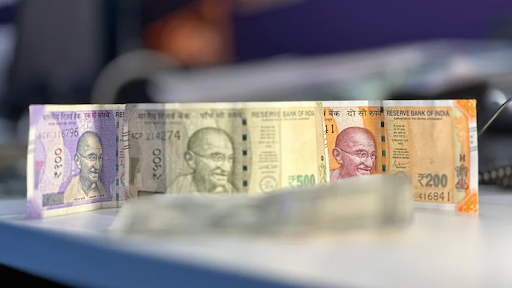
When Indian GDP is converted into US dollars, a weaker rupee gives a smaller number.
According to the latest World Economic Outlook report released by the International Monetary Fund (IMF) in April 2026, India’s global economic ranking has moved from 5th to 6th. The United Kingdom has overtaken India in nominal dollar terms, while Japan has also managed to stay ahead, delaying India’s earlier projected rise to the 4th spot.
The change in ranking is driven by a combination of currency dynamics and measurement updates:
It is essential to distinguish between a ranking drop and economic health:
The slide highlights the challenges of reaching specific dollar-denominated milestones. Since the goal is set in US dollars, persistent rupee depreciation requires the domestic economy to grow even faster in real terms to compensate for the currency loss. Experts suggest that achieving the 5 trillion dollar mark may now be pushed back by twelve to eighteen months.
The slip to the 6th position is a nominal adjustment caused by the strengthening of the US dollar and statistical corrections. India’s fundamental economic story remains one of resilience and rapid expansion.
Source: Indian Express
|
PRACTICE QUESTION Q. Analyze the factors contributing to the recent depreciation of the Indian Rupee against the US Dollar. To what extent do global geopolitical conflicts and external trade policies impact India's goal of becoming a $5 trillion economy? (250 words) |
|
Key Insights Rupee depreciation refers to the fall in the value of the Indian currency relative to major foreign currencies, such as the US dollar, within a market-linked exchange rate system. This phenomenon typically occurs due to an increase in the demand for foreign currency or an excess supply of the domestic currency in the international market. Factors driving this shift include a widening trade deficit, rising global crude oil prices, higher interest rates in developed economies leading to capital flight, and geopolitical uncertainties. While a weaker rupee makes Indian exports more competitive by making them cheaper for foreign buyers, it simultaneously increases the cost of imports, thereby contributing to imported inflation and putting pressure on the current account deficit. |






© 2026 iasgyan. All right reserved