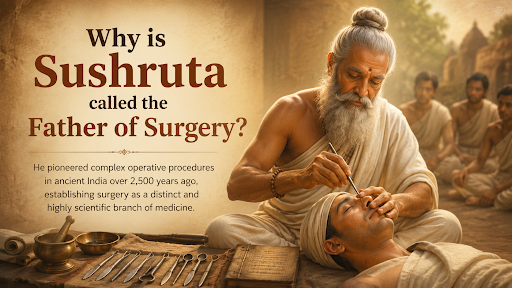
Warren Hastings was a pivotal early administrator of British India who strengthened the rule of the British East India Company through major revenue, judicial, and administrative reforms. He abolished the Dual System, reorganized courts, and centralized governance in Bengal, laying the foundation of structured colonial administration. However, allegations of corruption and abuse of power led to his historic impeachment trial in Britain, which—despite ending in acquittal—sparked enduring debates about imperial ethics and the accountability of colonial officials.
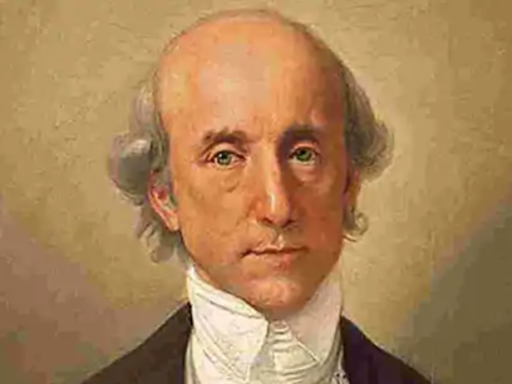
Copyright infringement not intended
Picture Courtesy: India Times
Context:
During Donald Trump’s second impeachment trial (2021), one of the key defences was “A former president can’t be impeached after leaving office.” To counter this, U.S. lawmakers reached back over 230 years to the impeachment of Warren Hastings, the first Governor-General of British India.
|
Must Read: Acts during British rule | Governor Generals | |
Warren Hasting:
Warren Hastings was the first Governor-General of Bengal and is widely regarded as one of the key architects of early British administration in India.
His tenure marked the transition of the Company from a trading body to a territorial power with structured administration.
Why was Hastings impeached?
After returning to Britain in 1785, Hastings faced serious political opposition.
In 1786, impeachment proceedings were launched in the House of Commons. The charges broadly revolved around:
The impeachment was spearheaded by Edmund Burke, a prominent parliamentarian and political thinker, who argued that British officials in India must be held to universal moral and legal standards.
Initially, Prime Minister William Pitt the Younger appeared sympathetic to Hastings, but later supported aspects of the prosecution.
Outcome of the impeachment
The trial was held before the House of Lords and lasted from 1788 to 1795, making it one of the longest trials in British history.
Burke famously warned that the acquittal would remain a moral stain on Britain’s conscience.
Reforms under Warren Hastings:
Abolition of the Dual system: Hastings ended the arrangement created by Robert Clive, where the Company collected revenue while Indian officials handled administration. He brought both revenue and civil authority directly under Company control.
Judicial reorganisation: He introduced a more structured legal system:
Curbing abuse of trade privileges: Hastings abolished the misuse of dastaks (free trade passes) that Company officials had exploited for private gain.
Administrative centralisation: He strengthened district administration, improved revenue collection mechanisms, and increased oversight of Company servants.
Important acts during his tenure:
Regulating Act of 1773
Pitt's India Act 1784
Conclusion:
Warren Hastings played a crucial role in laying the foundations of British administration in India through major legal, revenue, and governance reforms. However, allegations of corruption and abuse of power led to his historic impeachment trial in Britain, which, despite ending in acquittal, sparked lasting debates about accountability, ethics, and the responsibilities of colonial rule.
Source: India Times
|
Practice Question Q. With reference to Warren Hastings, consider the following statements:
Which of the statements given above is/are correct? A. 1 only Answer: A Explanation: The Dual System was introduced earlier by Robert Clive, and Hastings actually abolished it (Statement 2 is incorrect). He was acquitted after a long impeachment trial (Statement 3 is incorrect). |
Warren Hastings was the first Governor-General of Bengal (1774–1785) and a key figure in establishing structured British administration in India under the British East India Company.
The Dual System, introduced by Robert Clive, separated revenue collection (Company) from civil administration (Indian officials). Hastings abolished this system and brought both functions directly under Company control.
Dastaks were free trade passes used by Company officials, often misused for private trade. Hastings moved to end this abuse and regulate Company servants’ commercial activities.



© 2026 iasgyan. All right reserved