Srimanta Sankardeva was a 15th–16th century saint, reformer, poet, and cultural icon from Assam who laid the foundations of Neo-Vaishnavism and Ekasarana Dharma, emphasising devotion to a single God, ethical living, and social equality over ritualism and caste hierarchy. He pioneered a powerful cultural renaissance through Borgeet, Bhaona, Ankia Naat, Namghar, and Sattras, which became enduring institutions of Assamese society. His movement promoted egalitarianism, women’s participation, and community worship, reshaping Assam’s religious and cultural identity. Sankardeva’s legacy continues to influence literature, music, theatre, and social reform across the region, making him one of the most transformative spiritual leaders in Indian history.
Copyright infringement not intended
Picture Courtesy: The Hindu
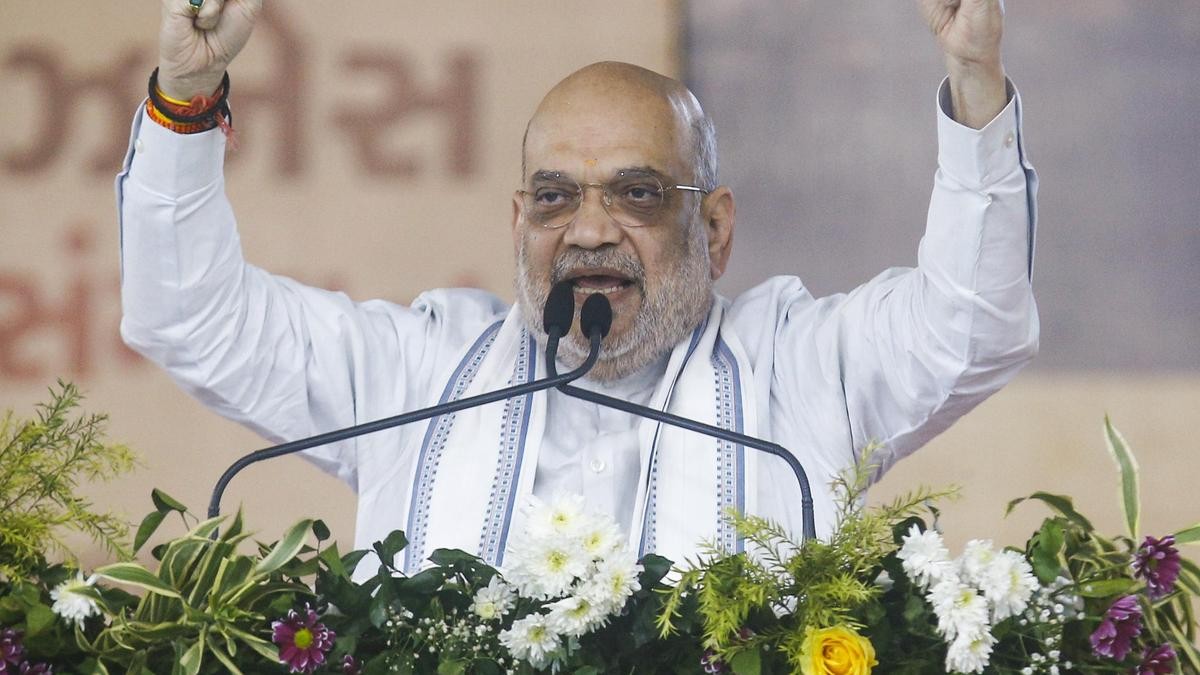
Union Home Minister Amit Shah inaugurated the ₹227-crore redevelopment of Batadrava Than, the birthplace of the Vaishnavite reformer Srimanta Sankardeva, at Borduwa in Assam’s Nagaon district.
|
Must Read: SRIMANTA SANKARDEV | BHAONA | MAJULI MASKS OF ASSAM | |
Srimanta Sankardeva emerged in fifteenth-century Assam as a saint, philosopher, poet, social reformer and cultural visionary whose ideas reshaped religion, literature, art and social order in the region. He is regarded as the chief architect of Neo-Vaishnavism in Assam and one of the most influential figures of the Bhakti movement in eastern India.
Sankardeva was born in 1449 at Bordowa (Batadrava) in present-day Nagaon district of Assam. Known initially as Sankaravara, he later came to be celebrated as Sankardeva. From an early age, he experienced deep spiritual curiosity and gradually dedicated his life to devotion to a single supreme deity. His thought was shaped by currents of the Bhakti movement as well as broader philosophical traditions, and this early engagement laid the foundation of his later reformist mission.
Sankardeva introduced a reformist devotional movement known as Neo-Vaishnavism or Ekasarana Dharma.
This tradition emphasised exclusive devotion to Krishna, collective worship and ethical living, while rejecting excessive ritualism and priestly dominance.
He created a spiritual path that was simple, accessible and rooted in Assamese culture.
Sankardeva made path-breaking contributions to Assamese literature and performing arts.
He composed Borgeet (devotional songs), wrote Ankia Naat and developed Bhaona to spread spiritual ideas.
He helped shape Sattriya dance, now recognised as a classical dance of India.
He used Brajavali, a special literary language, to reach wider audiences.
His disciple Madhavdev chronicled his life in Sankarvijaya.
Sankardeva established Sattras, which became monastic, cultural and social centres of Assamese life.
He also conceptualised the Namghar (community prayer hall), which evolved into a nucleus of village culture and collective worship.
These institutions still influence religious practice, social organisation and cultural expression in Assam.
Sankardeva opposed rigid caste hierarchies and promoted equality and fraternity among devotees.
He supported women’s participation in religion and culture, challenging prevailing norms.
His ideas impacted the Koch and Ahom kingdoms, and his followers, called Bhakats, continue to preserve his teachings through festivals and collective worship.
Core Doctrinal Orientation: Ekasarana Dharma literally means “seeking refuge in the One.”
It is a monotheistic devotional tradition centred on Krishna, emphasising remembrance of God through singing, narration and listening rather than elaborate rituals.
Scriptures and Sacred Literature: The Bhagavat of Sankardeva is the principal scripture of the tradition, adapted from the Bhagavata Purana.
Other key texts include Kirtan Ghoxa by Sankardeva and Naam Ghoxa by Madhavdev.
Egalitarian Ethos and Initiation: Ekasarana Dharma rejected the varna (caste) system and promoted social equality.
It attracted people across castes and tribal communities because of its simplicity.
Initiation into the faith occurs through xoron-lowa, performed by Sattradhikars.
Concept of God and Spiritual Liberation: The tradition recognises both formless and manifest aspects of God.
Krishna is regarded as the supreme being, and salvation is sought through devotion and surrender.
Its core principles are: Naam, Deva, Guru, and Bhakat.
Evolution into Sanghatis (Sub-Sects): After Sankardeva’s demise, the tradition evolved into four sanghatis (sub-sects):
|
Batadrava Than Batadrava Than is situated in Bordowa (Batadrava) in Assam’s Nagaon district, approximately 130 km east of Guwahati. In Assamese culture, the word “Than” refers to a sacred religious site, often associated with worship, devotion and spiritual teaching. Foundation: Sankardeva established his first Kirtan Ghar (Than/Sattra) at this site. Significance: Batadrava Than stands at the birthplace of Srimanta Sankardeva (1449–1568), the Vaishnavite saint, social reformer and cultural icon of Assam. |
Srimanta Sankardeva transformed Assamese society by combining devotional religion, social reform, and cultural creativity into a single movement. Through Neo-Vaishnavism, he promoted equality, community worship, and ethical living, while his contributions to literature, music, dance, theatre, and institutions like Sattras and Namghars left a lasting civilisational legacy. His message of inclusive bhakti and social harmony continues to shape Assam’s cultural identity today.
Source: The Hindu
|
Practice Question Q. Discuss the role of Srimanta Sankardeva in the socio-religious transformation of Assam. How did his Neo-Vaishnavite movement challenge existing social hierarchies? (150 words) |

© 2026 iasgyan. All right reserved