UGC’s 2026 equity regulations aim to curb campus discrimination by mandating Equal Opportunity Centres and strict accountability, extending protection to OBCs. However, narrow victim definitions, removed safeguards, and imbalanced grievance bodies have triggered opposition and a Supreme Court challenge over fairness and misuse risks.
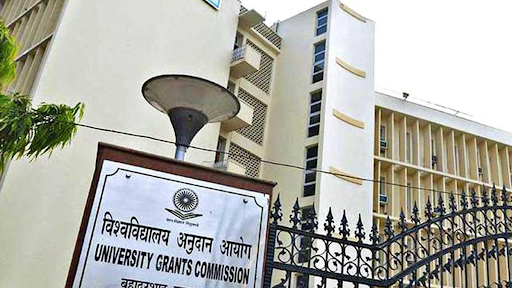
Copyright infringement not intended
Picture Courtesy: THEHINDU
Context
The University Grants Commission (UGC) introduced the UGC (Promotion of Equity in Higher Education Institutions) Regulations 2026.
|
Read all about: University Grants Commission |
What is UGC (Promotion of Equity in Higher Education) Regulations 2026?
It is a legally binding regulation that replaces the previous 2012 framework.
It aims to eliminate discrimination and promote inclusion across all higher education institutions (HEIs) in India.
Why new Framework?
The 2012 regulations were advisory and inadequate. A more robust, legally enforceable framework is needed due to persistent, severe caste-based discrimination in Higher Education Institutions (HEIs).
Surge in Complaints: There was a 118.4% increase in reported cases of caste-based discrimination in universities between 2019 and 2024, with complaints rising from 173 to 378. (Source: UGC)
The Thorat Committee Report (2007) documented discrimination.
Institutional Failures: The 2016 suicide of Rohith Vemula, a Dalit scholar at the University of Hyderabad, highlighted institutional discrimination and apathy, prompting a national call for greater accountability.
What are the key features of the New UGC Regulations?
Mandatory Institutional Bodies
Every Higher Education Institution (HEI) must establish an Equal Opportunity Centre (EOC) and an associated Equity Committee. Smaller colleges may rely on the EOC of their affiliating university.
Expanded Protection
The regulations include Other Backward Classes (OBCs) alongside SCs and STs within the protection framework for the first time. They also cover discrimination based on religion, race, gender, disability, and place of birth.
Strict Timelines for Redressal:
Support Mechanisms
Institutions must operate a 24/7 Equity Helpline and provide online/offline complaint channels. Equity Squads will monitor vulnerable areas (e.g., hostels and labs), and Equity Ambassadors will be designated to promote inclusivity.
Accountability & Penalties
Non-compliant institutions may face withdrawal of UGC grants, debarment from new academic programmes, or loss of recognition.
Why are the regulations facing opposition?
Arguments that Regulations are Excessive or Unfair
Restrictive Definition of Victimhood
The rules define discrimination based "only on the basis of caste or tribe" against SC, ST, and OBC members. Critics argue this "unidirectional" victimhood concept is legally flawed, denying protection to general category students.
Lack of Safeguards
A provision to penalize "false complaints," present in an earlier draft, was removed from the final regulations. Critics fear this omission could lead to misuse of the law for settling personal scores.
Imbalanced Committee Composition
The regulations mandate representation for reserved categories on Equity Committees but are silent on including members from the general category, raising concerns about potential bias in the grievance redressal process.
Counter-Argument: Regulations are Insufficient
Lack of Specificity
Activists argue that the regulations fail to define and address invisible forms of discrimination faced during admissions interviews, oral exams, and thesis evaluations.
Dilution of Focus
Creating omnibus equity committees to handle all forms of discrimination might dilute the focus required to tackle the specific, deep-rooted nature of caste-based prejudice.
Way Forward
Adopt a Universal Definition
The UGC should revise the definition of discrimination to protect all students, irrespective of their caste, to ensure the framework is inclusive and constitutionally sound.
Introduce Balanced Safeguards
A carefully worded clause to deter demonstrably malicious and false complaints should be reintroduced to build trust and prevent the system's misuse.
Ensure Representative Committees
The composition of Equity Committees must be balanced to include representatives from all student categories, including the general category, to ensure impartiality.
Promote Dialogue
The government and UGC must initiate a constructive dialogue with all stakeholders to build a framework that is both just in intent and fair in implementation.
Implement Recommendations of the Thorat Committee Report (2007)
Equal Opportunity Office: Establishment of a dedicated office to address grievances specifically for SC, ST, and OBC students.
Remedial Programs: Introduction of coaching for English language and basic courses to support students from disadvantaged backgrounds.
Joint Committees: Formation of committees including SC/ST representatives to oversee social harmony and campus activities.
Roster System: Implementation of a strict post-based roster system for the recruitment of senior residents and faculty to ensure fair representation.
Learn Lessons from Global Best Practices
|
Country |
Approach |
Key Takeaway for India |
|
United Kingdom |
The Equality Act 2010 provides a universal framework protecting everyone from discrimination based on nine "protected characteristics" (race, religion, sex, etc.). |
Adopting a universal definition of discrimination would address the "unidirectional" criticism and ensure fairness for all students. |
|
United States |
Emphasizes clear, time-bound procedural guidelines for filing, investigating, and resolving discrimination complaints (e.g., within 180 days to file, 60 days to investigate). |
Incorporating strict timelines and procedural clarity can enhance the efficiency and credibility of the grievance redressal system. |
|
South Africa |
Post-apartheid policies focus on "advancing redress for past inequalities" to increase access for the historically disadvantaged majority. |
India's reservation policy aligns with affirmative action for historical redress, but must also prioritize social cohesion to fully achieve its goals. |
Conclusion
The effectiveness of the UGC's 2026 anti-caste discrimination regulations depends on balancing strong protective measures for marginalized communities with constitutional principles of equality and due process, requiring a refined approach built on fairness and stakeholder consensus.
Source: THEHINDU
|
PRACTICE QUESTION Q. How does regional and linguistic discrimination in premier educational institutions impact the national goal of 'Ek Bharat Shreshtha Bharat'? (250 words) |
They are a new set of legally binding rules notified by the University Grants Commission to replace the advisory 2012 framework. Their primary goal is to prevent and address caste-based discrimination against students from SC, ST, and OBC communities in Indian universities and colleges.
The key features include:
An Equal Opportunity Centre (EOC) is a mandatory body that every higher education institution must establish under the 2026 regulations. Its purpose is to promote equity and serve as the primary mechanism for handling complaints related to caste-based discrimination. It is overseen by an Equity Committee.



© 2026 iasgyan. All right reserved