Geopolitical tensions in West Asia threaten the Indian economy by disrupting imports of key industrial raw materials like limestone, gypsum, sulphur, and copper. This risks supply chain shocks, inflation, and project delays, prompting India to enhance maritime security, diversify imports, and strengthen domestic resilience.
Copyright infringement not intended
Picture Courtesy: INDIANEXPRESS
Context
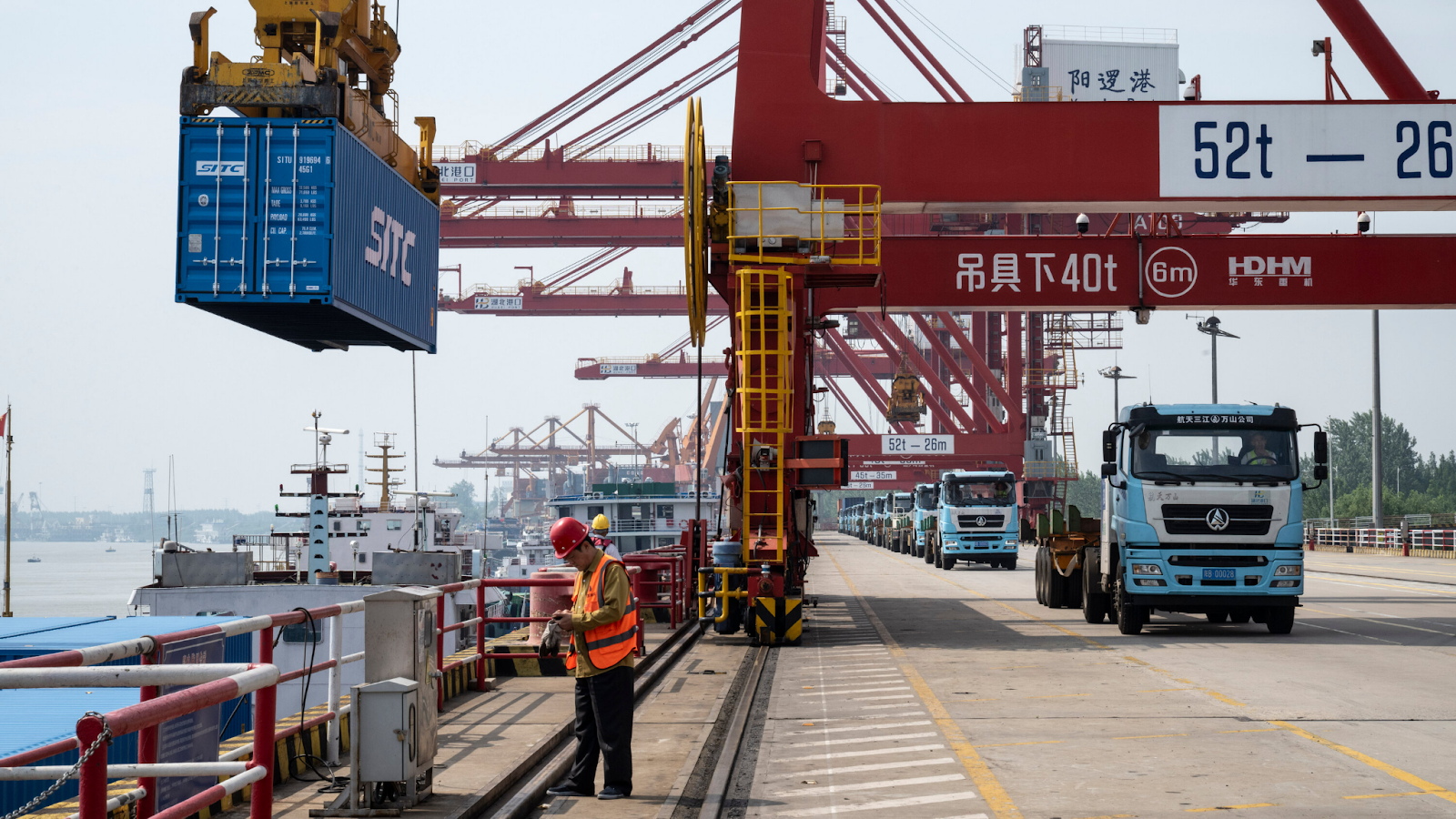
The West Asia conflict involving Iran is disrupting shipping routes and supply chains, raising concerns about fertiliser availability and prices in India.
|
Read all about: LEGALITY OF U.S.-ISRAEL STRIKES ON IRAN l IRAN CRISIS EXPLAINED: IMPACT ON INDIA l IRAN-ISRAEL CONFLICT & IMPACT l IRAN-ISRAEL CRISIS: CHALLENGES AND WAY FORWARD FOR INDIA |
Why is India Highly Dependent on West Asian Imports?
The Indian industrial sector relies heavily on a steady supply of key commodities from West Asia. In 2025, India's imports from the region were valued at approximately $98.7 billion (Source: GTRI).
|
Raw Material |
Share of India's Total Imports from West Asia (%) |
Primary Use / Impacted Sector |
|
Limestone |
68.5% |
Essential for Cement Production |
|
Sulphur |
65.8% |
Used to produce sulphuric acid for the Fertiliser & Chemical industries |
|
Gypsum |
62.1% |
Vital for Cement and Construction materials |
|
Direct Reduced Iron (DRI) |
59.1% |
High-quality iron used in Steelmaking |
|
Copper Wire |
50.7% |
Crucial for Power Transmission and Renewable Energy sectors |
|
Rough Diamonds |
40.6% |
Processed in hubs like Surat for the Gems & Jewellery export market |
(Data Source: Global Trade Research Initiative - GTRI)
Sector-Specific Vulnerabilities
Cement and Construction
Heavy dependence on limestone and gypsum makes the sector vulnerable to price shocks and project delays, affecting initiatives like the National Infrastructure Pipeline.
Fertilisers
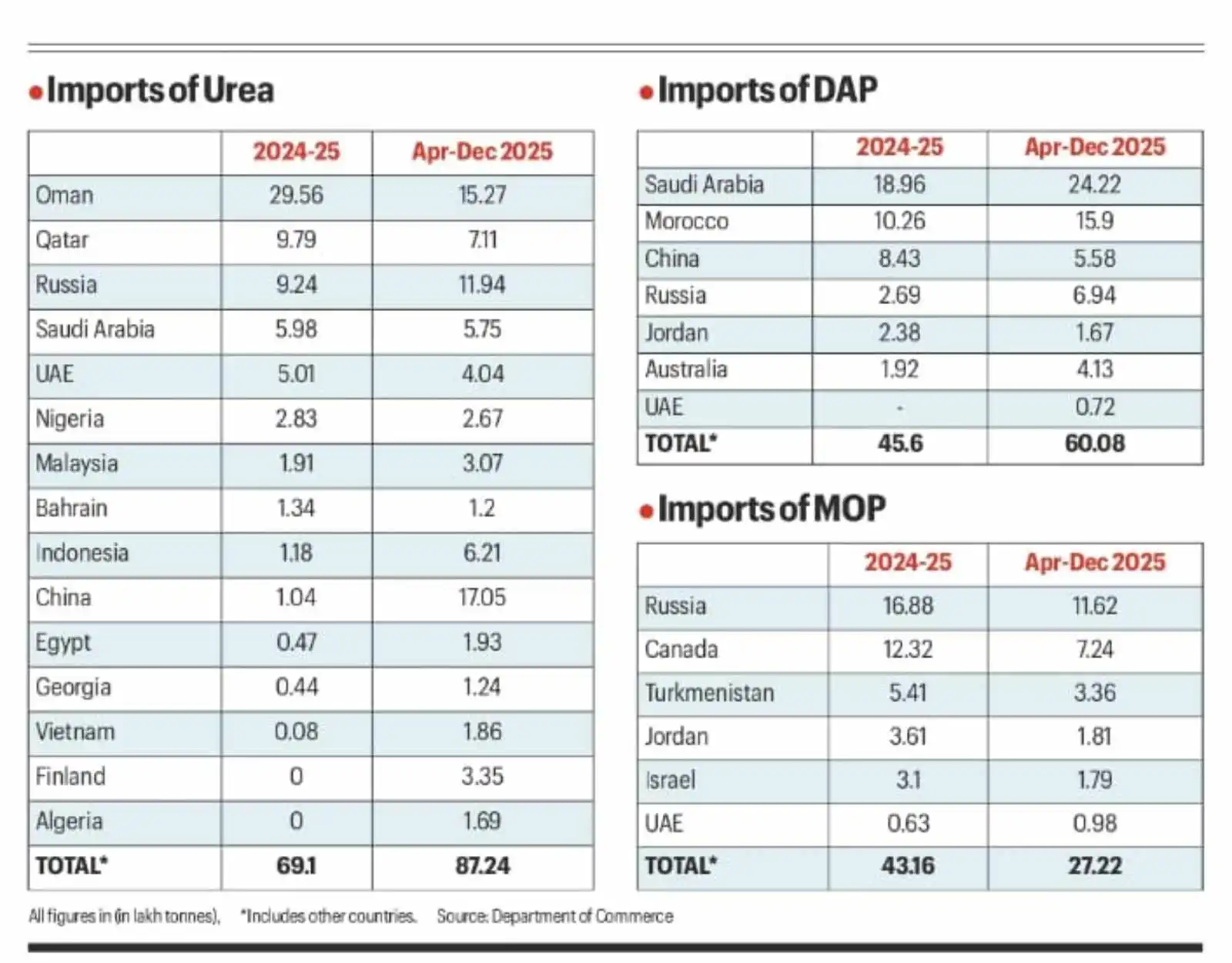
The sector faces a dual threat: sulphur supply disruptions hinder phosphatic fertiliser output, and reliance on Qatari LNG for urea production presents another vulnerability.
Steel
The Direct Reduced Iron (DRI) production route, which relies on natural gas, is directly at risk. Volatility in energy prices affects manufacturing costs for the entire steel industry.
Power and Electronics
Shortages of copper wire can impede the development of power transmission networks and hinder progress in the renewable energy sector, affecting green energy transition goals.
Broader Economic and Strategic Implications
Inflationary Pressures
Shortages, coupled with rising freight and insurance costs from ship rerouting, can increase input costs for industries, leading to higher domestic prices and stoking inflation.
Supply Chain Vulnerability
The crisis exposes the risks of over-reliance on a single region and highlights the need to shift from a "just-in-time" to a more resilient "just-in-case" supply chain model.
Impact on Strategic Projects
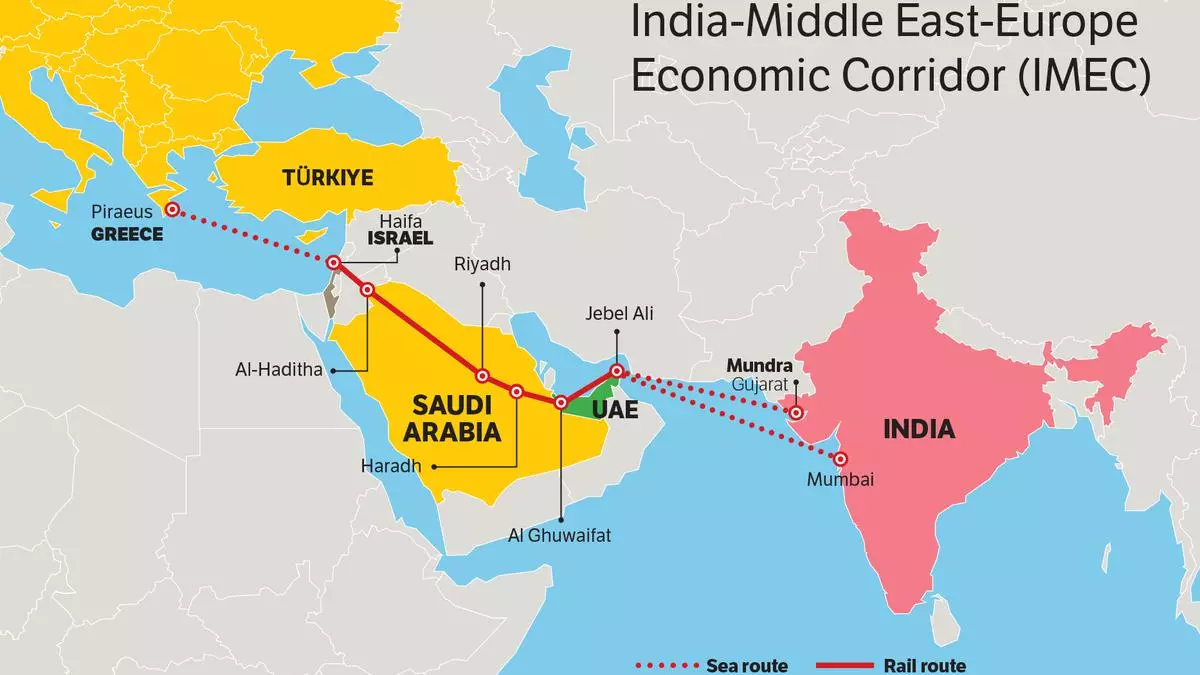
Geopolitical instability threatens connectivity projects like the India-Middle East-Europe Economic Corridor (IMEC), delaying its implementation and raising questions about its future viability.
India's Response and Mitigation Strategy
Maritime Security Operations: Under 'Operation Sankalp', the Indian Navy has increased its presence in the Arabian Sea to safeguard merchant vessels, reinforcing India's role as a net security provider in the region.
Source Diversification
The government and industry are seeking alternative sources. For example, exploring limestone from Thailand and Vietnam and sourcing crude oil from Russia, West Africa and Venezuela.
Strategic and Diplomatic Engagement
India is leveraging the policy of "strategic autonomy" to maintain relationships with all key regional powers. Domestic initiatives like PM Gati Shakti and the National Logistics Policy are also aimed at building more resilient internal supply chains.
Way Forward
Formulate a National Supply Chain Resilience Policy: A comprehensive policy to map dependencies, identify chokepoints, and promote diversification in line with the Atmanirbhar Bharat vision.
Boost Domestic Production: Enhance domestic exploration, production, and processing of critical minerals to reduce import dependency and move up the value chain.
Strengthen Strategic Partnerships: Pursue trade and investment agreements with stable, alternative source regions like Australia, Africa, and South America.
Invest in Resilient Infrastructure: Modernize ports, develop strategic stockpiles for critical minerals (similar to strategic petroleum reserves), and enhance coastal surveillance.
Conclusion
West Asia's ongoing geopolitical turmoil is a crucial wake-up call for India. Beyond immediate crisis management, the long-term goal is to transform these vulnerabilities into a more diversified, self-reliant, and resilient economy, capable of withstanding global shocks.
Source: INDIANEXPRESS.
|
PRACTICE QUESTION Q. Critically analyze the vulnerabilities faced by Indian industries due to over-reliance on West Asia for non-oil commodities. (150 words) |
The cement and construction industry (dependent on limestone, gypsum), the fertiliser industry (dependent on sulphur and LNG), the steel industry (dependent on DRI and natural gas), and the power/electronics sector (dependent on copper) are the most vulnerable.
'Operation Sankalp' is a maritime security operation by the Indian Navy in the Arabian Sea and the Gulf region. It is important because it aims to protect merchant vessels and ensure the safety of vital sea lanes from piracy and drone attacks, thereby safeguarding India's trade and energy interests.
India is adopting a multi-pronged approach: enhancing maritime security via the Indian Navy, actively seeking to diversify its import sources for critical minerals away from West Asia, and strengthening domestic logistics and infrastructure through policies like PM Gati Shakti.


© 2026 iasgyan. All right reserved