A Phase I trial reported in The Lancet shows in-utero stem cell therapy for myelomeningocele is safe and feasible. Placenta-derived mesenchymal stem cells applied during fetal surgery improved healing. For India, with high birth-defect incidence, it may reduce lifelong burdens and support early detection goals of RBSK.
Copyright infringement not intended
Picture Courtesy: MEDICALDIALOGUES
A first-in-human Phase I clinical trial published in The Lancet confirmed that augmenting standard surgery with allogeneic placenta-derived mesenchymal stem cells (PMSCs) is a safe and feasible treatment for Myelomeningocele.
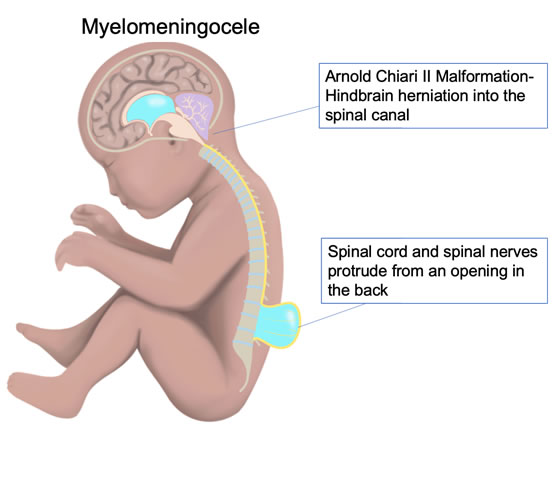
Myelomeningocele is the most severe form of spina bifida, a birth defect where the baby’s backbone and spinal canal fail to close completely during the first month of pregnancy.
Physical Appearance: It appears as a fluid-filled sac, which may be covered by a thin layer of skin or completely exposed.
Physical Effects: It causes damage to the nerves and spinal cord, resulting in some level of paralysis and loss of sensation below the level of the defect.
Common Complications:
Causes: The exact cause is unknown, but it is linked to low folic acid levels, genetic factors, and maternal use of certain medications (e.g., anti-seizure drugs).
Treatment: While there is no cure, it is managed through surgery to close the defect (sometimes before birth), specialized care for urinary/bowel issues, and rehabilitation.
 What is Stem Cell Therapy?
Stem cell therapy, or regenerative medicine, is a medical treatment that uses stem cells to repair, replace, or regenerate diseased, dysfunctional, or injured tissues.
Stem cells are unique "building block" cells capable of self-renewal (making copies of themselves) and differentiation (transforming into specialized cells like muscle, nerve, or blood cells).
How Does It Work?
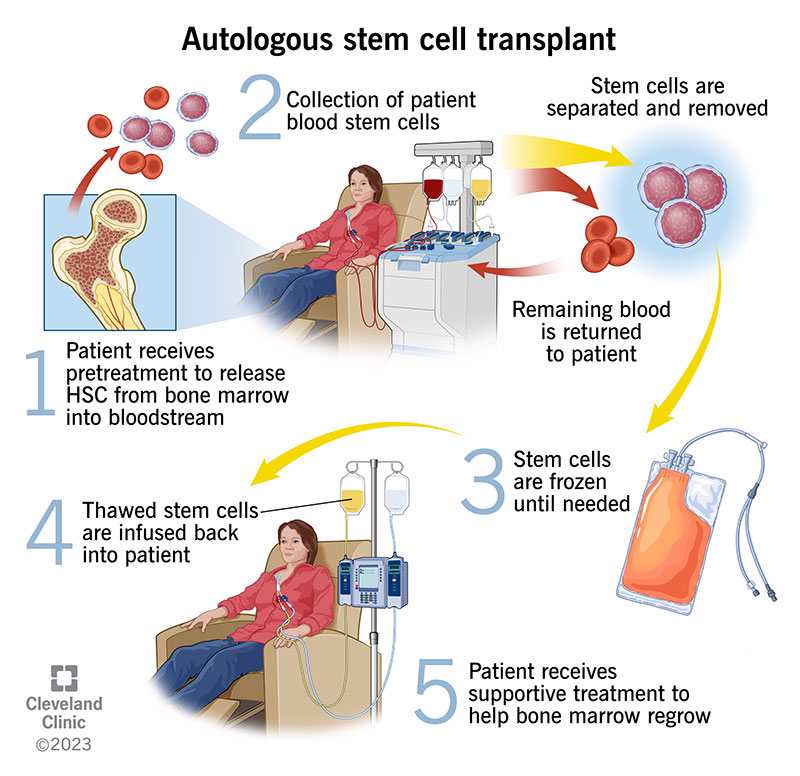
Collection: Stem cells are harvested from the patient (autologous) or a donor (allogeneic). Common sources include bone marrow, fat tissue (adipose), and umbilical cord blood.
Processing: In a laboratory, the collected cells are isolated, concentrated, and sometimes "coaxed" using growth factors to become specific cell types needed for the treatment.
Transplantation: The cells are delivered to the patient via injection, intravenous (IV) infusion, or surgical implantation directly into the damaged site.
Healing Mechanism: Once implanted, these cells may directly replace damaged tissue or act as "signaling cells," releasing factors that stimulate the body's own natural repair systems.
 Source: MEDICALDIALOGUES
|
PRACTICE QUESTION Q. With reference to the potential of stem cells, consider the following statements: 1. Totipotent stem cells can differentiate into any cell type in the body, including embryonic and extraembryonic tissues (like the placenta). 2. Pluripotent stem cells can differentiate into all cell types of the body but cannot form a new embryo. 3. Multipotent stem cells are restricted to forming cells of only one specific germ layer. Which of the statements given above is/are correct? A) 1 and 2 only B) 2 and 3 only C) 1 and 3 only D) 1, 2, and 3 Answer: A Explanation: Statement 1 is correct: Totipotent stem cells (such as the zygote and early blastomeres) have the highest level of potency. They can differentiate into any cell type in the body, as well as extraembryonic tissues like the placenta and umbilical cord, meaning they can form a complete organism. Statement 2 is correct: Pluripotent stem cells (such as embryonic stem cells) can differentiate into all cell types of the three germ layers (ectoderm, mesoderm, and endoderm) that make up the body. However, they cannot form extraembryonic tissues like the placenta and therefore cannot form a new embryo or complete organism on their own. Statement 3 is incorrect: Multipotent stem cells are more specialized and are generally restricted to forming multiple cell types within a specific lineage or family of related cells (e.g., hematopoietic stem cells can form various blood cells). While they are often associated with one germ layer, the definition of multipotency is based on their ability to form multiple related cell types, and some multipotent cells (like mesenchymal stem cells) can even differentiate into tissues from different germ layers under certain conditions, though they remain more limited than pluripotent cells. |
Myelomeningocele is the most severe form of spina bifida, a birth defect where the spinal cord fails to develop properly. It occurs when the neural tube does not close completely during early pregnancy, leaving a sac containing parts of the spinal cord and nerves exposed on the baby's back, leading to permanent nerve damage and lifelong disabilities.
The Rashtriya Bal Swasthya Karyakram (RBSK) is a Government initiative for early identification and intervention for children from birth to 18 years. It covers '4 D's'—Defects at birth, Deficiencies, Diseases, and Development delays. Advanced therapies like in-utero stem cell treatment align perfectly with RBSK's goal of early intervention.
Stem cell research in India is strictly regulated by the National Guidelines for Stem Cell Research (2017). These guidelines prohibit unproven commercial therapies and require any clinical application to undergo rigorous review and approval by oversight committees to ensure safety and ethical conduct.






© 2026 iasgyan. All right reserved