Hantavirus is a severe zoonotic pathogen spread primarily through aerosolized rodent excreta. A rare, recent outbreak aboard the MV Hondius cruise ship highlighted maritime public health vulnerabilities, prompting coordinated international responses to manage cases of Hantavirus Pulmonary Syndrome.
Why In News?
The World Health Organization (WHO) identified cases of hantavirus linked to the cruise ship MV Hondius.
About HANTAVIRUS
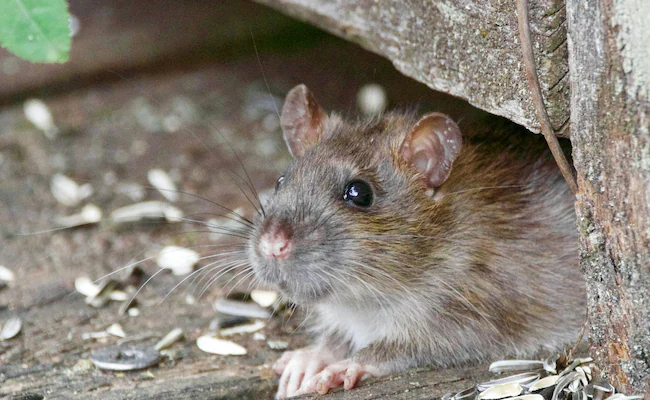
Hantaviruses are rare but deadly zoonotic viruses that spread to humans through contact with infected rodents (deer mice, cotton rats, rice rats, house mice).
Recently, the WHO identified a rare Hantavirus outbreak on the MV Hondius cruise ship traveling from Argentina to Cape Verde, marking the first known occurrence in a confined maritime environment.
Pathogen Characteristics
Reservoirs & Transmission
Rodent Hosts: Each hantavirus species is generally tied to a specific rodent host species.
Primary Transmission: The virus spreads horizontally among rodents through aggressive behaviors like biting.
Human-to-Human Transmission: While person-to-person spread is non-existent for most hantaviruses, the Andes virus (found in South America) is a notable exception.
Clinical Syndromes
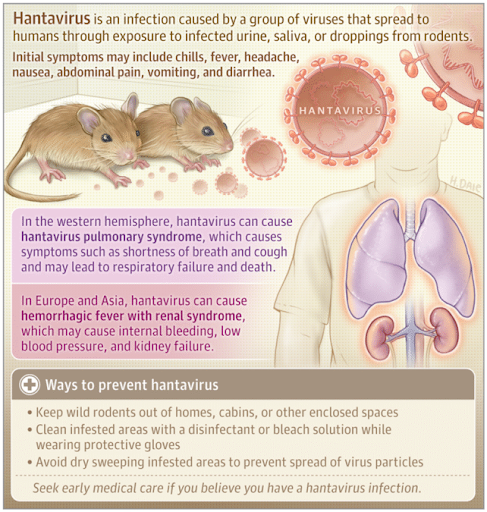
Hantaviruses cause two distinct, severe clinical syndromes depending on the geographic region and viral strain:
Treatment: There is no specific antiviral treatment, cure, or approved vaccine for HPS. Ribavirin, though effective for HFRS, is not effective for HPS.
Source: NDTV
|
PRACTICE QUESTION Q. "Zoonotic diseases are increasingly posing cross-border public health challenges in a highly globalized world." Discuss. 150 words |
Hantaviruses are rare, deadly zoonotic RNA viruses belonging to the Bunyaviridae family. Unlike other viruses in this family, they lack an arthropod vector and are chronically carried by specific rodent species, such as the Deer mouse and Cotton rat, without causing illness in the hosts.
Humans contract the virus by inhaling aerosolized viral particles from disturbed rodent urine, droppings, or saliva. Transmission can also occur by touching contaminated surfaces or through rodent bites.
Currently, there is no specific antiviral treatment, cure, or approved vaccine for Hantavirus Pulmonary Syndrome. Management relies heavily on early recognition, immediate transfer to an Intensive Care Unit (ICU), mechanical ventilation, and judicious fluid and blood pressure management






© 2026 iasgyan. All right reserved