Peptide therapies, especially GLP-1 agonists for diabetes and obesity, are gaining popularity beyond medical use. While medically beneficial, their misuse as lifestyle drugs through unregulated online markets raises health risks. India must strengthen CDSCO regulation and awareness to balance innovation, safety, and responsible use.
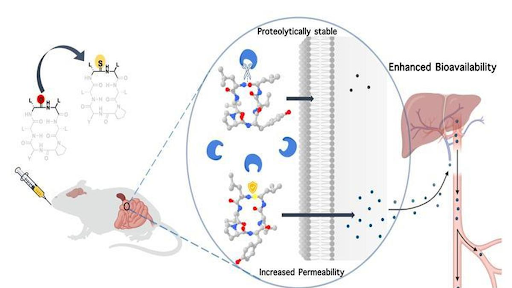
Copyright infringement not intended
Picture Courtesy: THEHINDU
Peptide Therapies are evolving from specialized medical treatments into a mainstream wellness staple for metabolic health, fitness, and longevity.
Peptide therapies are short chains of amino acids that act as precise signaling molecules in the body.
Initially used in niche medical treatments, they are now gaining mainstream attention for managing chronic diseases and in the wellness industry.
How Do Peptides Work?
Mechanism of Action
Synthetic peptides are designed to mimic natural signaling molecules. They bind to specific cell receptors to trigger a desired physiological response, such as regulating hormones or metabolism.
Therapeutic Advantage
Their high specificity allows for targeted action, leading to greater effectiveness and fewer side effects compared to many conventional drugs.
Administration
Peptides are administered through injections because the digestive system can easily break them down if taken orally, reducing their efficacy.
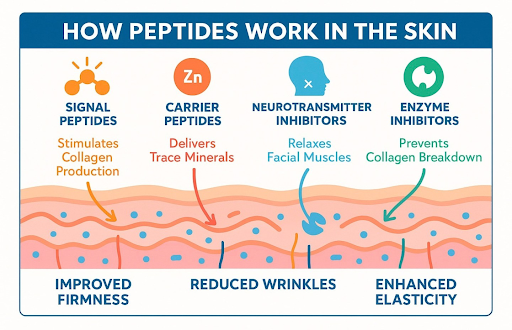
Common Types and Uses
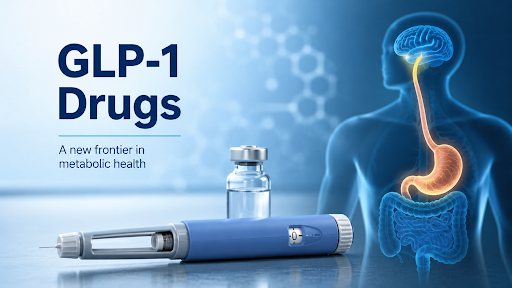
Metabolic & Weight Loss: Semaglutide (Ozempic) and Tirzepatide mimic the GLP-1 hormone to regulate blood sugar and suppress appetite.
Healing & Repair: BPC-157 (Body Protection Compound) and TB-500 are used to accelerate the recovery of muscles, tendons, and ligaments.
Growth Hormones: CJC-1295 and Ipamorelin stimulate the pituitary gland to release natural growth hormone, aiding in muscle growth and fat loss.
Immune Support: Thymosin Alpha-1 helps regulate the immune system and has been studied for treating chronic infections and certain cancers.
Aesthetics: Collagen peptides and GHK-Cu (copper peptides) are used in skincare to improve elasticity and promote hair growth.
|
Medical Field |
Application of Peptides |
|
Oncology |
Used in Peptide Drug Conjugates (PDCs) to deliver chemotherapy directly to cancer cells, minimizing damage to healthy tissue. |
|
Endocrinology |
Treatment for hormonal imbalances, infertility, and growth disorders. |
|
Regenerative Medicine |
Research into using peptides to repair damaged muscle, nerve, and connective tissue. |
|
Dermatology |
Included in formulations for wound healing and anti-ageing treatments due to their role in collagen synthesis. |
Source: THEHINDU
|
PRACTICE QUESTION Q. What is the fundamental mechanism behind "Antimicrobial Peptide Therapy" (AMPs)? A. They inhibit DNA replication within human cells to stop cancer growth. B. They disrupt the cell membranes of bacteria, causing them to burst. C. They stimulate the liver to produce more digestive enzymes. D. They act as neurotransmitters to reduce chronic pain. Answer: B Explanation: The fundamental mechanism behind "Antimicrobial Peptide Therapy" (AMPs) is their ability to disrupt the cell membranes of bacteria, causing them to burst (lysis). |
Peptides are short chains of amino acids that act as signaling molecules in the body. In medicine, synthetic peptides are designed to mimic these natural messengers, binding to specific cell receptors to trigger desired effects like hormone release or metabolic regulation, offering targeted treatment with potentially fewer side effects.
In India, the Central Drugs Standard Control Organisation (CDSCO), under the Drugs and Cosmetics Act, 1940, is the primary regulator. It often regulates peptides with the same high level of scrutiny as biologics, requiring comprehensive data on safety, manufacturing, and local clinical trials for approval.
The primary challenge is the widespread illegal online sale and import of unapproved peptides marketed as "supplements" or "research chemicals" for lifestyle purposes. The lack of specific regulatory guidelines for peptides creates ambiguity and complicates enforcement against this grey market.



© 2026 iasgyan. All right reserved