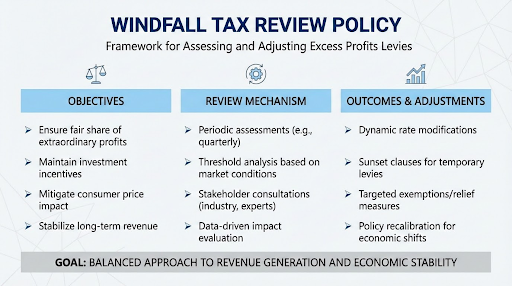
The SANKALP (Skill Acquisition and Knowledge Awareness for Livelihood Promotion) scheme, launched in 2018 by the Ministry of Skill Development and Entrepreneurship with assistance from the World Bank, aims to strengthen short-term skill training by improving institutional capacity, ensuring industry relevance, and promoting inclusion of marginalised groups. However, audit findings by the Comptroller and Auditor General of India and observations of the Public Accounts Committee have highlighted concerns such as underutilisation of funds, slow implementation, weak monitoring mechanisms, and lack of preparedness. The issue underscores the need for stronger governance, outcome-based implementation, better industry linkages, and integration of vocational education within the school system to improve employability and effectively harness India’s demographic potential.
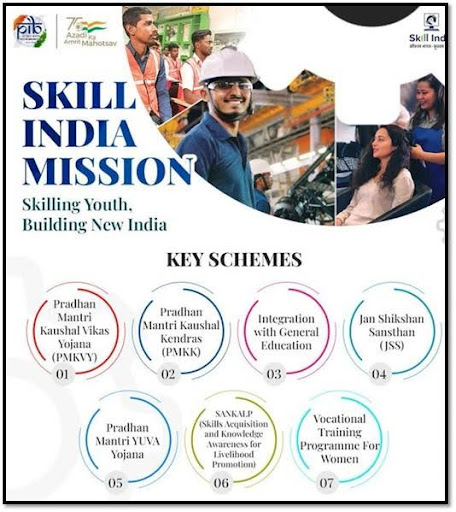
Copyright infringement not intended
Picture Courtesy: PIB
Context:
Recent findings of CAG and PAC on SANKALP Scheme, indicates a under utilisation of fund and implementation gaps.
|
Must Read: SANKALP PROGRAMME | |
SANKALP Scheme (Skill Acquisition and Knowledge Awareness for Livelihood Promotion):
SANKALP is a flagship initiative of the Ministry of Skill Development and Entrepreneurship (MSDE) designed to strengthen India’s short-term skill training ecosystem. The programme is supported through financial assistance from the World Bank and focuses on improving both the scale and quality of skill development.
Its broader aim is to build a robust institutional framework, improve industry alignment, and ensure that vulnerable and disadvantaged groups benefit from skill training opportunities.
Objectives of SANKALP:
The scheme seeks to:
Framework:
The programme follows a Results-Based Financing approach, where fund releases are linked to measurable achievements. Progress is tracked through:
Types of interventions:
SANKALP interventions are organised into:
Key outcomes of SANKALP:
Institutional strengthening: This component focuses on building a strong and coordinated governance framework for skill development across the Central, State, and District levels. It aims to enhance the administrative and functional capacity of institutions involved in skilling by improving planning processes, strengthening monitoring and evaluation systems, and ensuring effective implementation of training programmes. The initiative also supports the development of robust coordination mechanisms among various stakeholders to create a more efficient and accountable skill ecosystem.
Enhancing market relevance and quality: Under this result area, the emphasis is on making skill training industry-oriented and outcome-driven. Training programmes are aligned with labour market needs to improve employability. The scheme promotes courses that conform to the National Skills Qualifications Framework (NSQF) to ensure standardisation and national recognition. It also supports the development of model curricula, learning materials, and reliable assessment systems. In addition, special attention is given to improving the quality of human resources by training and re-skilling trainers and assessors, thereby enhancing the overall effectiveness of skill delivery.
Inclusion and access for marginalised groups: This component aims to make skill development more equitable and inclusive by increasing the participation of women, socially disadvantaged groups, and economically weaker sections. Efforts are directed towards expanding outreach in rural, remote, and underserved regions. The scheme also promotes local-level institutional mechanisms, such as Panchayats and district bodies, to connect unemployed youth with training opportunities and link them to sustainable employment and livelihood options, ensuring that the benefits of skilling reach those who need them the most.
CAG Findings on SANKALP Scheme:
Financial progress: The audit observed that the scheme suffered from persistent underutilisation of funds, indicating weak financial planning and execution capacity. Only about 44% of the total budgeted allocation was utilised between 2017–18 and October 2023.
Although a substantial portion of the World Bank loan was released, the actual expenditure by the implementing ministry remained low. For instance, out of the funds disbursed under the first tranche, only a limited share was used, reflecting delays in project initiation, slow approval processes, and limited absorption capacity at different administrative levels.
Physical progress: In addition to financial gaps, the CAG noted that physical implementation lagged behind targets across several components of the scheme. Many planned activities were delayed or progressed at a slower pace due to:
The audit also pointed to the absence of a strong monitoring mechanism to track real-time progress and address implementation bottlenecks.
Key Observations of the Public Accounts Committee (PAC):
Lack of effective planning and preparedness: The PAC observed that the scheme was launched without adequate institutional readiness. Insufficient preparatory work before the commencement of the project period led to delays in utilisation of funds and slowed the pace of implementation. The Committee emphasised that large externally funded programmes require proper due diligence and advance planning to ensure timely execution.
Absence of a robust central monitoring mechanism: One of the major concerns raised was the lack of a strong centralised monitoring system to track progress across States and implementing agencies. The Committee pointed out that weak oversight limited the government’s ability to identify bottlenecks, ensure accountability, and take timely corrective measures.
Poor financial and physical performance: The PAC criticised the slow pace of fund utilisation and implementation, describing the approach as lackadaisical. It noted that delays in both financial expenditure and physical achievements had reduced the overall effectiveness of the scheme.
Gaps in coordination and accountability: Members highlighted the need for better coordination between the Centre, States, and other stakeholders. The absence of clearly defined responsibility and performance tracking mechanisms affected the delivery of intended outcomes.
No clear roadmap for school-level skilling: The Committee also expressed concern over the absence of a concrete plan to integrate vocational education into the school system from primary to higher secondary levels. It stressed that early exposure to skills is essential for improving employability and aligning with long-term workforce needs.
Importance of PAC observation:
Way Forward:
Conclusion:
The concerns raised over SANKALP highlight that the challenge in India’s skill ecosystem lies not in resource availability but in effective planning, monitoring, and outcome-oriented implementation. Strengthening institutional capacity, improving industry alignment, and ensuring better fund utilisation are essential to enhance employability and fully realise India’s demographic potential.
Source: The Hindu
|
Practice Question Q. Large-scale skill development programmes in India are constrained more by governance and implementation gaps than by lack of financial resources. Examine. (250 words) |
SANKALP (Skill Acquisition and Knowledge Awareness for Livelihood Promotion) is a flagship programme of the Ministry of Skill Development and Entrepreneurship aimed at strengthening the quality, relevance, and inclusiveness of short-term skill training across India.
The programme is supported through a combination of Government funding and financial assistance from the World Bank, making it an externally aided project with a results-based financing structure.
The scheme focuses on improving institutional capacity, aligning skill training with industry needs, enhancing training quality, and expanding access to skill development for women and socially disadvantaged groups.


© 2026 iasgyan. All right reserved