By co-sponsoring UNSC Resolution 2817, India prioritised energy security and its Gulf diaspora over traditional neutrality. This "Think West" shift strengthens GCC ties through realpolitik but risks alienating Iran, potentially jeopardising the Chabahar Port and Indian interests in Eurasia.
Copyright infringement not intended
Picture Courtesy: THEWIRE
Context
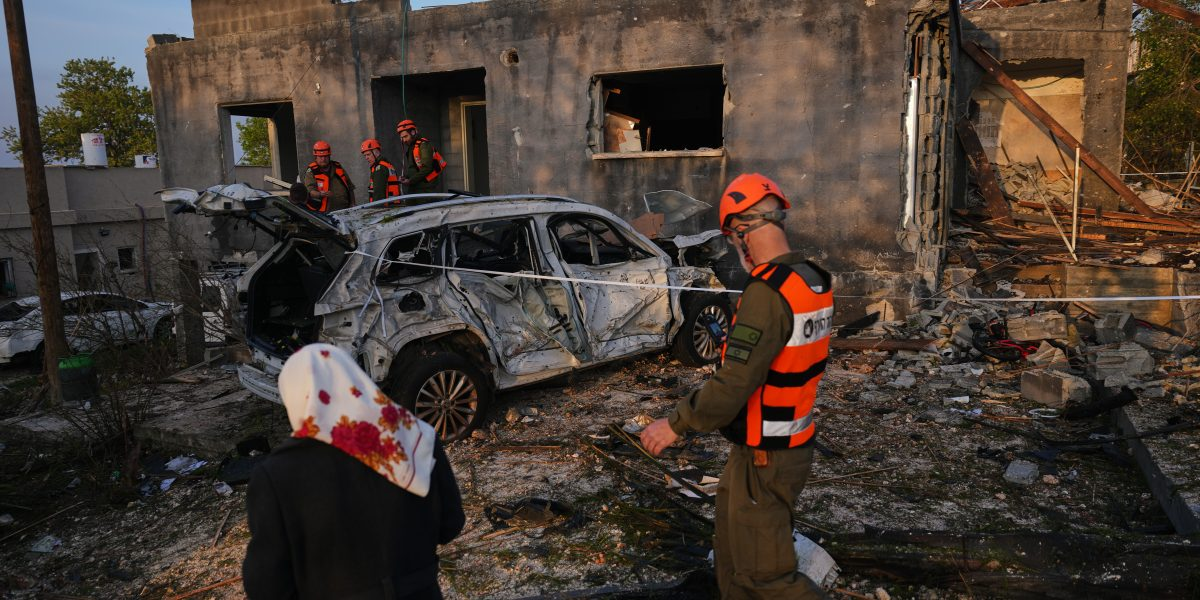
India co-sponsored and supported UN Security Council Resolution 2817, which condemned Iran's attacks on Gulf nations and Jordan.
What are the Key Provisions of the UN Security Council Resolution 2817?
Condemnation of "Egregious Attacks"
The Council condemned Iran's military actions against Bahrain, Kuwait, Oman, Qatar, Saudi Arabia, the United Arab Emirates, and Jordan.
Protection of Maritime Trade
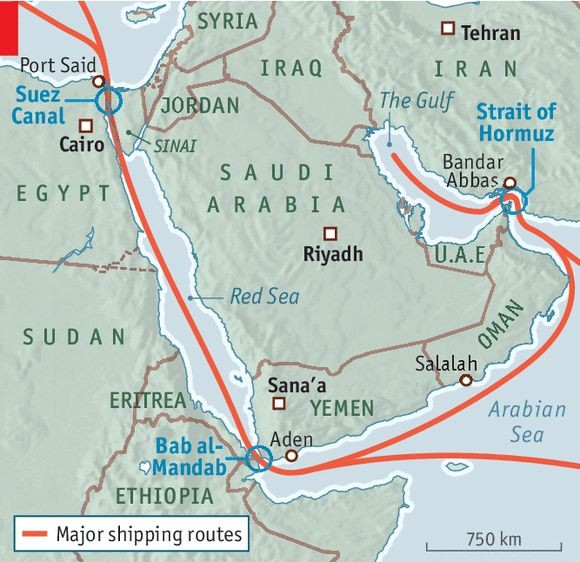
The resolution demands an immediate halt to threats or actions aimed at obstructing international navigation through the Strait of Hormuz and the Bab Al Mandab.
Sovereignty and Self-Defense
It reaffirms the sovereignty and territorial integrity of the affected nations and recognizes their inherent right to individual or collective self-defense under Article 51 of the UN Charter.
Cessation of Proxy Support
Iran is required to stop all support to regional proxy groups and cease provocations aimed at neighbouring states.
Why India Supported Resolution 2817
Active Support: India was one of 135 co-sponsors of the Bahrain-led resolution, reflecting a firm stance against Iran's "egregious attacks" on sovereign nations like Saudi Arabia, the UAE, and Qatar.
Diaspora Safety
India considers the welfare and security of its over 9 million expatriates working in the Gulf countries as a matter of "utmost importance," according to the Ministry of External Affairs (MEA).
Energy Security
The Gulf region is a critical energy lifeline for India, providing approximately 40% of its crude oil and nearly 70% of its LNG imports, with protection of supplies through the Strait of Hormuz being a top priority.
Strong Bilateral Ties
India’s support was a "statement of principle" reflecting deep relationships with GCC nations like the UAE and Saudi Arabia.
Opposition to Civilian Targeting
The resolution condemned attacks on residential areas and civilian infrastructure, a position India supported to maintain regional stability and international law.
Source: THEWIRE
|
PRACTICE QUESTION Q. Consider the following statements regarding 'UNSC Resolution 2817': 1. It was adopted to condemn Iran's missile strikes against Gulf Cooperation Council (GCC) nations. 2. The resolution was vetoed by China and Russia. Which of the statements given above is/are correct? a) 1 only b) 2 only c) Both 1 and 2 d) Neither 1 nor 2 Answer: a) 1 only Explanation: UNSC Resolution 2817 condemned Iran's strikes against GCC nations and Jordan. It passed with 13 votes in favor. China and Russia abstained from voting, but they did not veto the resolution. |
UNSC Resolution 2817 is a United Nations Security Council resolution led by Bahrain that strongly condemns Iran's missile strikes against Gulf Cooperation Council (GCC) nations and Jordan. It passed with 13 affirmative votes, with China and Russia abstaining.
India chose to co-sponsor the resolution to protect its 8.9 million diaspora in the Gulf, secure its critical energy supplies (as 45% of crude oil and 50% of LNG comes from the region), and safeguard significant remittance inflows. It represents a pragmatic alignment with the GCC based on domestic and economic imperatives.
The Strait of Hormuz is a vital maritime chokepoint through which nearly 20% of global oil consumption passes. A blockade or disruption by Iran would severely hinder India's massive energy imports from the Gulf, leading to a widened current account deficit and high domestic inflation.



© 2026 iasgyan. All right reserved