The India-Oman Comprehensive Economic Partnership Agreement (CEPA) officially entered into force on June 1, 2026.
|
Read all about: India-Oman Strategic Partnership |
The India-Oman Comprehensive Economic Partnership Agreement (CEPA) was signed in December 2025, in Muscat.
The CEPA integrates preferential trade in goods, liberalization of services, investment protection, intellectual property rights, and regulatory cooperation into a single, cohesive framework.
The treaty makes India only the second country globally, after the United States, to secure a comprehensive bilateral trade pact with Oman.
 What Are the Key Provisions of the India-Oman CEPA?
Market Access
Oman grants 100% duty-free access on 98.08% of its tariff lines, which successfully covers 99.38% of India's exports by value.
Calibrated Tariff Liberalization
India offers tariff liberalization on 77.79% of its tariff lines, covering 94.81% of Omani imports by value.
Protection of Sensitive Sectors
India safeguards crucial domestic sectors like dairy, cereals, vegetables, rubber, leather, and spices by placing them on an exclusion list and utilizing Tariff Rate Quotas (TRQs) to prevent open market flooding.
Services Trade Expansion
Oman opens 127 service sub-sectors to Indian businesses, including IT, healthcare, engineering, and education, representing the most comprehensive services package offered by any Gulf Cooperation Council (GCC) country.
Boost in Professional Mobility
The agreement raises the Intra-Corporate Transferees (ICT) ceiling from 20% to 50%. Oman also secures binding mobility commitments for Indian doctors, engineers, IT professionals, and business visitors.
Fast-Track Pharmaceuticals
Oman authorizes marketing approvals within 90 days for Indian medicines that already hold certifications from major global regulators like the USFDA (US Food and Drug Administration).
Strict Rules of Origin
Both nations enforce the CAROTAR 2020 framework, requiring valid proof of origin and a minimum local value addition to prevent third-party countries from exploiting the tariff concessions.
Trade Facilitation
Oman accepts inspection certificates directly from India's Export Inspection Council (EIC), along with organic and Halal certifications, which greatly reduces non-tariff barriers.
|
How Strong Are India-Oman Economic Relations? Major Trading Partner: Oman acts as India's second-largest trading partner in the Gulf region. Robust Trade Volumes: Bilateral merchandise trade reached $11.18 billion in FY 2025-26. High Investment and Joint Ventures: Over 6,000 India-Oman joint ventures currently operate in Oman, contributing approximately $7.5 billion in cumulative capital investments. Strategic Logistics Gateway: Oman serves as a vital economic corridor for India to access the broader GCC, East African, and West Asian markets. Bypassing the Strait of Hormuz: Ports like Salalah and Duqm provide India with a secure trade route outside the volatile Strait of Hormuz, which ensures uninterrupted energy and trade flows during Middle East conflicts. Energy Security: Oman remains a top supplier of crude oil, liquefied natural gas (LNG), fertilizers, and industrial feedstocks like methanol and ammonia to India. |
Bypassing the Strait of Hormuz
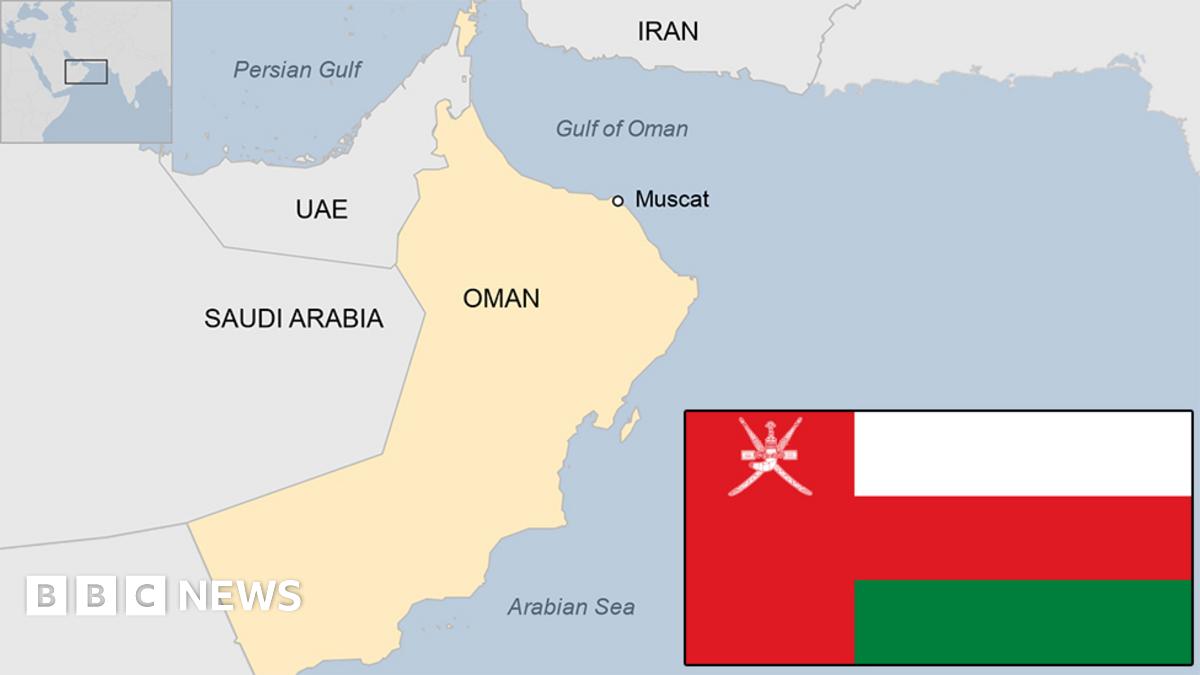
Oman's coastline sits directly on the Arabian Sea and the Gulf of Oman, outside the volatile Strait of Hormuz. Ports like Duqm and Salalah provide India with a secure trade and energy gateway during Middle East conflicts or maritime disruptions.
Energy Security
Oman acts as a top energy supplier for India. During recent supply disruptions in the Gulf, Oman became India's single largest LNG supplier, providing 30–31% of India's total LNG imports in early 2026.
Middle East-India Deepwater Pipeline (MEIDP)
Both nations plan a 2,000-km subsea gas pipeline to directly connect Oman to Gujarat. This $4.8 billion project will guarantee long-term energy security by routing gas entirely around the Hormuz chokepoint.
Gateway to the GCC and Africa
Oman serves as a strategic distribution hub, which helps Indian businesses penetrate the broader GCC, East African, and West Asian markets.
Defense and Diaspora
Oman stands as India's closest defense partner in the Gulf region. Oman hosts a vibrant Indian diaspora of nearly 700,000 people who drive deep economic and cultural ties between the two nations.
Limited Domestic Consumer Base
Oman has a modest domestic market with a population of just 5.5 million and a GDP of $110 billion, which caps the overall expansion of Indian merchandise exports.
Low Initial Export Baseline
India starts with a minimal historical footprint in high-value premium sectors like luxury gems and jewelry, requiring businesses to execute a massive scale-up to capture significant market share.
Global Competition
Indian exporters face intense market friction from established regional suppliers like China, Italy, Turkey, and Thailand, who already dominate Omani infrastructure project bids.
Complex Administrative Compliance
Exporters, especially Small and Medium Enterprises (SMEs), struggle to navigate the strict Rules of Origin and CAROTAR 2020 documentation requirements, which creates administrative bottlenecks.
Delayed Worker Protection Pacts
Absence of a finalized Social Security Agreement (SSA) means Indian employers and workers currently pay dual contribution penalties, which hinders smooth professional mobility.
Reconfigure Regional Supply Chains
Indian manufacturers must establish processing, assembly, and packaging facilities in Omani free zones like Sohar and Duqm, to utilize the bilateral cumulation system to meet value-addition rules and access broader GCC and East African markets tariff-free.
Adopt new Structure
Corporate leaders must align product portfolios with new tariff schedules, adjust supply chains to ensure Rules of Origin compliance, and build local logistics partnerships.
Run Sector Bases Support
Trade bodies like the Confederation of Indian Industry (CII) and Oman Chamber of Commerce and Industry (OCCI) need to organize technical workshops for SMEs to simplify HS classifications and origin certifications.
Accelerate Strategic Infrastructure
Prioritize the Middle East-India Deepwater Pipeline (MEIDP) to bypass the volatile Strait of Hormuz and completely secure India's long-term energy supplies.
Translate Policy into Action
Exporters must convert tariff gains into active commercial contracts while governments ensure smooth regulatory cooperation and on-ground mobility commitments.
The India-Oman CEPA acts as a strategic economic gateway that successfully transforms bilateral trade into a robust, long-term partnership ensuring energy security and global supply-chain resilience.
Source: PIB
|
PRACTICE QUESTION Q. Analyze the strategic and economic significance of the India-Oman Comprehensive Economic Partnership Agreement (CEPA) in the context of India's "Act West" policy and global supply chain disruptions. 250 words |
It is a comprehensive bilateral trade agreement that came into force on June 1, 2026. It goes beyond tariff reductions by integrating trade in goods, 127 service sub-sectors, investment protection, and professional labor mobility into a single framework.
Labor-intensive and MSME-driven sectors such as textiles, gems and jewellery, engineering goods, marine products, plastics, and pharmaceuticals will benefit immensely from immediate duty-free market access in Oman.
It is a mechanism within the Rules of Origin that allows manufacturers in Oman to use Indian-sourced raw materials and count them as local content. This helps products meet value-addition rules and enter wider Gulf Cooperation Council (GCC) markets tariff-free.
© 2026 iasgyan. All right reserved