Operation Thunder 2025, led by Interpol and WCO across 134 countries, exposed the vast scale of wildlife crime through 4,640 seizures. It highlighted growing trafficking in smaller species, marine life and plants, disrupting global criminal networks threatening biodiversity, biosecurity and livelihoods worldwide.
Copyright infringement not intended
Picture Courtesy: DOWNTOEARTH
Interpol, in partnership with the World Customs Organization (WCO), concluded "Operation Thunder 2025".
It is an annual global enforcement operation aimed at combating the illegal trade in wildlife and forestry products.
It is jointly coordinated by the International Criminal Police Organization (INTERPOL) and the World Customs Organization (WCO).
The operation brings together police, customs, wildlife, and forestry agencies from countries across the world to disrupt transnational organized crime networks involved in environmental crime.
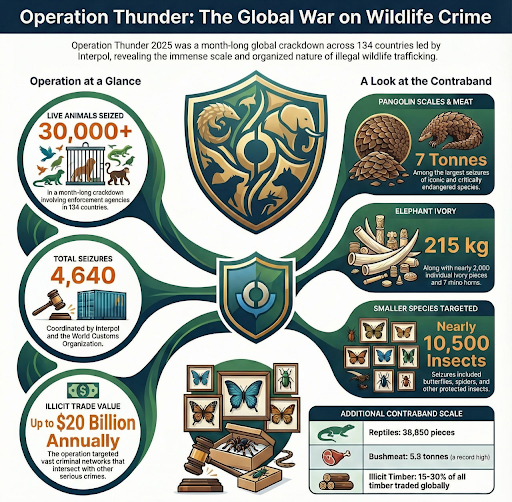
Global Participation: Law enforcement agencies from 134 countries participated.
Seizures: A record 4,640 seizures were made, including over 30,000 live animals.
Marine Species: A total of 245 tonnes and 91,000 pieces of marine life were intercepted, including 4,000 shark fins.
Plants and Timber: Over 10 tonnes of live plants and derivatives were seized. Illicit timber remains a major issue, accounting for 15-30% of all timber traded globally.
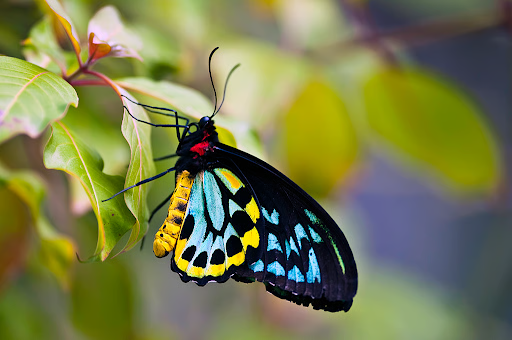
Smaller Species: A sharp increase in trafficking of smaller species was noted, with seizures of 10,500 butterflies, spiders, and insects, many protected under CITES.
Evolving Trends in Wildlife Trafficking
Use of Online Platforms: Traffickers exploit social media and e-commerce to sell endangered animals and their parts, making detection difficult.
Shift to Lesser-Known Species: While elephants and rhinos are still high-value targets, trade is increasing in reptiles, amphibians, and insects for the exotic pet market.
Convergence with Other Crimes: Wildlife trafficking is linked to other transnational organized crimes, as criminal syndicates use shared routes and networks for smuggling animals, drugs, weapons, and people.
Exploitation of Corruption: Criminal networks bribe officials for permits, to bypass customs, and to evade prosecution
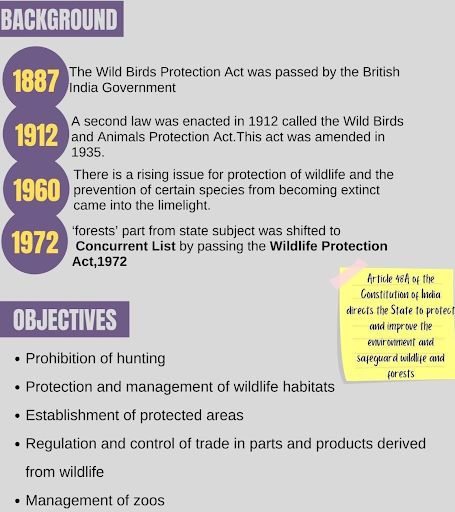
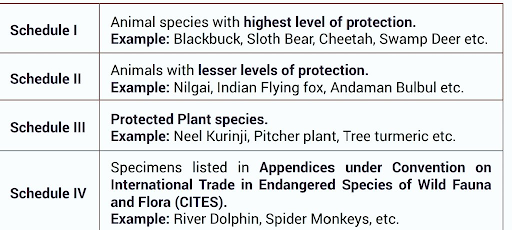
The Wild Life (Protection) Act, 1972 (amended in 2022)
Wildlife Crime Control Bureau (WCCB)
Established in 2007, it is a statutory multi-disciplinary body under the Ministry of Environment, Forest and Climate Change.
It is India's nodal agency for combating organized wildlife crime through intelligence gathering, inter-state and inter-agency coordination, and maintaining a centralized wildlife crime database.
Strengthen International Cooperation: Improve real-time intelligence and joint enforcement operations between countries, based on Operation Thunder.
Leverage Technology: Use DNA forensics for species ID, satellite imagery for habitat monitoring, and AI data analytics to predict poaching and trafficking.
Target Demand Reduction: Launch targeted campaigns in key consumer markets to curb demand for illegal wildlife products, including exotic pets and traditional medicines.
Enhance Community Involvement: Partnering with local and indigenous communities who live near forests for conservation, and offering them alternative livelihoods, reduces their susceptibility to recruitment by poaching networks.
Strengthen Financial Investigations: Treat wildlife trafficking as a serious economic crime, focusing on "following the money" to dismantle financial networks and tackle linked money laundering.
While global initiatives like Operation Thunder are vital for disrupting wildlife trafficking, long-term success demands a holistic approach: robust law enforcement, reduced demand, and community involvement.
Source: DOWNTOEARTH
|
PRACTICE QUESTION Q. Which organizations are the primary coordinators of the 'Operation Thunder' 2025? A) IUCN and WWF B) CITES Secretariat and UNEP C) INTERPOL and World Customs Organization (WCO) D) Wildlife Crime Control Bureau (WCCB) and CBI Answer: C Explanation: Operation Thunder is a global, coordinated law enforcement operation targeting the illegal trade of wildlife and timber. It is jointly organized and led by INTERPOL and the World Customs Organization (WCO), bringing together customs, police, and wildlife officials from numerous countries to conduct simultaneous, targeted raids and enforcement actions. |
Operation Thunder 2025 was a month-long, coordinated global operation led by Interpol and the World Customs Organization (WCO). It involved enforcement agencies from 134 countries to crack down on illegal wildlife and forestry crime.
The operation yielded record seizures, including over 30,000 live animals, 215 kg of elephant ivory, 7 tonnes of pangolin scales, and over 31,500 square meters of illegal timber. It exposed new trafficking trends and identified over 1,100 suspects globally.
Wildlife trafficking is a form of transnational organized crime. Criminal networks use the same routes and methods to smuggle wildlife as they do for drugs, weapons, and people. The profits often fund other criminal activities, and the trade relies heavily on corruption, undermining the rule of law.



© 2026 iasgyan. All right reserved