Description
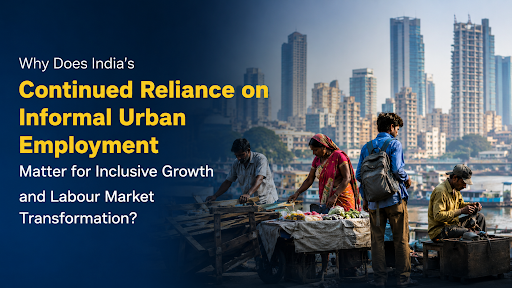
The new labour codes represent an important step toward modernising India’s labour regulatory framework, with the potential to improve efficiency, formalisation, and productivity at the margins.
Why in News?
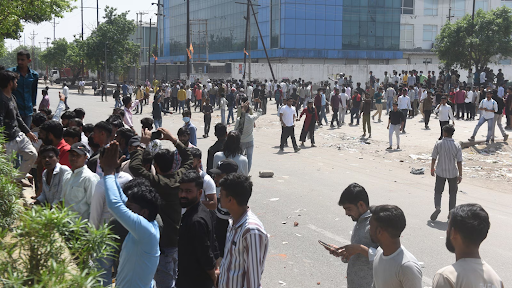
Noida has witnessed a series of organized protests by workers across various manufacturing sectors, ranging from garment factories to electronics units. The primary grievances involve wage stagnation, the lack of job security under contractual arrangements, and the implementation of new labor codes.
Core Issues Driving the Unrest
- Contractualization of Labor: A significant portion of the workforce in the Noida industrial belt is employed through third-party contractors. This leads to a lack of direct benefits from the principal employer and creates a sense of insecurity regarding tenure.
- Transition to New Labor Codes: The central government’s consolidation of 29 labor laws into four concise codes—wages, industrial relations, social security, and occupational safety—remains a point of contention. Workers fear these codes grant employers too much flexibility in hiring and firing.
- Wage-Inflation Gap: While wholesale and retail inflation have fluctuated due to global factors like the West Asian crisis, workers argue that minimum wage revisions have not kept pace with the rising cost of living in urban industrial hubs.
- Working Conditions: Demands for better occupational safety, fixed working hours, and the right to collective bargaining continue to be central to the protesters' agenda.
The Policy Dilemma: Ease of Business vs. Worker Welfare
The protests highlight a fundamental tension in India’s economic strategy:
- Attracting Investment: To compete with global manufacturing hubs like Vietnam or China, India seeks to simplify labor regulations, making it easier for companies to set up and scale operations.
- Protecting Rights: Excessive flexibility for employers can lead to a race to the bottom in terms of labor standards. The protests in Noida signify a pushback from the grassroots level, demanding that growth must be inclusive and dignified.
- Implementation Gaps: While the new labor codes exist on paper, the delay in state-level rules and the lack of a robust grievance redressal mechanism at the factory level have created a vacuum filled by unrest.
Implications for the Manufacturing Sector
Noida and the Greater Noida region are integral to India’s ambitions under the Make in India and PLI (Production Linked Incentive) schemes, especially in electronics. Prolonged unrest in this belt can:
- Dampen investor sentiment and disrupt supply chains.
- Lead to production delays for major global brands operating in the area.
- Trigger similar movements in other industrial clusters like Manesar or Chennai.
Way Forward
- Enhanced Social Dialogue: There is an urgent need for a tripartite dialogue involving the government, industrial associations, and labor unions to address misconceptions regarding the new labor codes.
- Strengthening Social Security: Implementing a universal social security fund that covers contractual workers would provide a much-needed safety net and reduce the anxiety surrounding job transitions.
- Wage Indexation: Periodic and transparent reviews of minimum wages, indexed to local inflation rates, could help alleviate the immediate economic pressure on workers.
- Formalization of Contracts: Encouraging firms to move away from opaque contracting systems toward transparent, direct-term employment can build loyalty and reduce the likelihood of strikes.
Conclusion
The worker protests in Noida are more than just local disputes; they represent the growing pains of an economy in transition. As India aspires to become a global manufacturing powerhouse, the success of its labor reforms will depend not just on the flexibility they offer to capital, but on the security and dignity they provide to labor.
Source: Indian Express
|
PRACTICE QUESTION
Q. "The shift towards 'Fixed Term Employment' (FTE) under the new Labour Codes is a double-edged sword for the Indian industrial sector." Discuss how this flexibility impacts long-term labour productivity and industrial relations. (250 words, 15 Marks)
|