🔔Join APTI PLUS Prelims Mirror 2026 | All India Open Mock Test Series on 12th April, 26th April & 3rd May 2026 |Register Now!

IMPACT OF WEST ASIAN CONFLICT ON INDIA'S WHOLESALE PRICE INDEX

The persistent volatility in West Asia has begun to permeate the Indian economy through supply chain disruptions, leading to a noticeable spike in wholesale inflation. The Wholesale Price Index (WPI) has shown an upward trend as the rising costs of raw materials and logistics filter through various manufacturing sectors, affecting diverse products ranging from industrial inputs to daily consumer goods.
Description

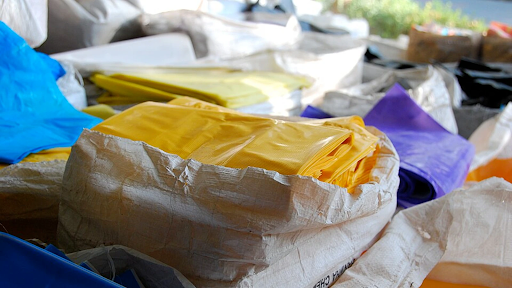
The wholesale price of items like plastic bags jumped 3.5% from February – the highest sequential rise since October 2021.

Why in News?

Recent data indicates a jump in wholesale price inflation, driven primarily by the escalating conflict in West Asia. The crisis has triggered a double blow: increasing the cost of crude oil and derivatives while simultaneously hiking freight charges due to the rerouting of ships. 

Key Drivers of WPI Inflation

  • Crude Oil and Derivatives: As a major importer of crude, India is sensitive to regional instability. Higher oil prices directly increase the cost of naphtha and polymers, which are the primary raw materials for the plastics industry, including the production of plastic bags.
  • Logistics and Freight: The security situation in the Red Sea has forced shipping lines to take the longer route around the Cape of Good Hope. This has led to a surge in container rates and insurance premiums, which are added to the wholesale price of imported intermediate goods.
  • Paper and Chemical Inputs: Products like playing cards, which rely on specific grades of coated paper and chemical inks, have seen price hikes. Many of these specialized inputs are imported or rely on energy-intensive manufacturing processes now affected by higher fuel costs.
  • Imported Inflation: With the Indian Rupee facing pressure due to global geopolitical uncertainty, the cost of importing essential machinery and raw materials has risen, further pushing up the WPI.

Sectoral Impact

  • Plastics and Packaging: The cost of packaging material has risen sharply, impacting the retail sector. Since plastic is a derivative of petroleum, any spike in Brent crude is almost immediately reflected in the wholesale rates of plastic pellets and bags.
  • Consumer Goods: Even niche sectors like the manufacturing of playing cards or stationary are feeling the heat due to the rising cost of imported paper pulp and the logistics involved in domestic distribution.
  • Manufacturing: Small and Medium Enterprises (SMEs) are particularly vulnerable as they operate on thin margins and lack the hedging capabilities of larger corporations to manage sudden spikes in input costs.

Significance for the Economy

Wholesale inflation often acts as a lead indicator for Consumer Price Index (CPI) inflation. If WPI remains elevated for an extended period, manufacturers will eventually pass these costs on to consumers, leading to higher retail prices. This poses a challenge for the Reserve Bank of India (RBI) in managing interest rates and ensuring that economic growth remains on track without letting inflation spiral.

Way Forward

  • Inventory Management: Businesses are being encouraged to maintain higher buffer stocks of essential raw materials to hedge against sudden supply disruptions in West Asia.
  • Energy Efficiency: Accelerating the shift toward non-petroleum-based raw materials and increasing the use of recycled plastics can reduce the vulnerability of the packaging sector to oil price shocks.
  • Diversifying Supply Sources: Reducing dependence on a single region for intermediate goods and exploring trade partners in Southeast Asia or Latin America can provide a safety net.
  • Monitoring Price Pass-Through: The government may need to monitor the transition of wholesale price hikes to the retail level to protect vulnerable consumers from a sudden increase in the cost of basic goods.

Conclusion

The rise in wholesale inflation serves as a stark reminder of how interconnected global conflicts are with the daily economy. From the cost of a plastic bag to the price of recreational items like playing cards, the ripples of the West Asian war are being felt across the Indian market. 

Source: Indian Express

PRACTICE QUESTION

Q. Which of the following indices is used by the RBI as the primary measure of inflation for monetary policy decisions? 

a) Wholesale Price Index (WPI) 

b) Consumer Price Index (Combined) 

c) Producer Price Index (PPI) 

d) GDP Deflator

Answer: B

Explanation:

The Reserve Bank of India (RBI) adopted the Consumer Price Index (CPI-Combined) as its primary anchor for measuring inflation and conducting monetary policy in 2014, following the recommendations of the Urjit Patel Committee. Unlike the Wholesale Price Index (WPI), which tracks price changes at the factory or producer level, the CPI measures the change in prices of a representative basket of goods and services consumed by households, making it a more accurate reflection of the cost of living for the general public.

Free access to e-paper and WhatsApp updates

Let's Get In Touch!