The West Asia conflict threatens the Indian economy by spiking crude oil prices, which worsens inflation and the trade deficit. Supply chain disruptions via the Red Sea increase freight costs, hitting exports. Prolonged instability risks the safety and remittances of millions of Indian expatriates living in the region.
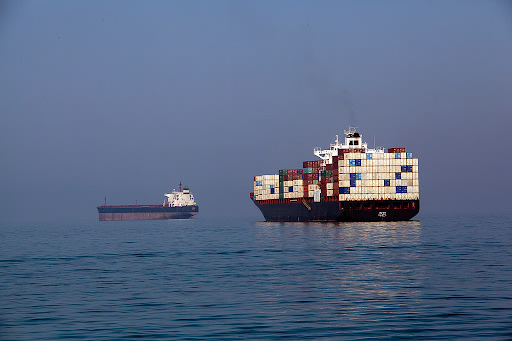
Copyright infringement not intended
Picture Courtesy: DOWNTOEARTH
Context
Escalating tensions involving Iran pose a dual threat to India: Energy Security and Trade.
|
Read all about: IRAN-ISRAEL CRISIS: CHALLENGES AND WAY FORWARD FOR INDIA l OPERATION 'LION'S ROAR' TO 'EPIC FURY': BATTLE NAMES IN THE US-ISRAEL-IRAN CONFLICT |
Recent West Asia Conflict
A large-scale military offensive in West Asia involving the US, Israel, and Iran has placed Indian energy and trade security under intense pressure.
The current conflict is driving up global oil prices and creating economic challenges for India, primarily because of the serious risk of supply disruptions through the Strait of Hormuz.
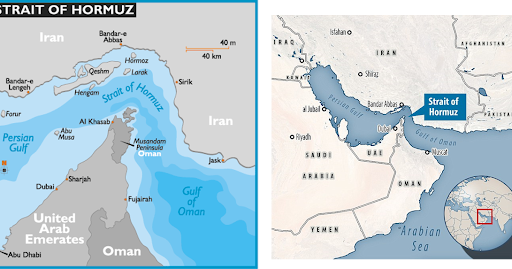
Why the Strait of Hormuz Critical for India?
It is the primary maritime route for India’s energy and economic security. As of early 2026, nearly 50% of India’s crude oil imports transit through this 33-kilometre-wide chokepoint. (Source: Kpler)
Energy Security and Dependence
India is nearly 90% dependent on imported crude oil to meet its domestic needs.
What are the Immediate Economic Consequences for India?
Economic Impact
Inflation: Rising fuel costs increase transportation and manufacturing expenses, stoking nationwide inflation.
Trade Deficit: Higher energy prices widen the Current Account Deficit (CAD) and put downward pressure on the Indian Rupee, which has recently traded in the 91–93 range against the USD due to regional tensions.
Sector Vulnerability: Key industries such as Aviation (where fuel is 40-50% of costs), Fertilizers, Logistics, and Chemicals face severe margin compression during supply shocks.
Strategic and Diaspora Interests
Trade Gateway: Over 13% of India's non-oil exports (valued at over $47 billion) to Gulf nations pass through routes linked to the Strait. (Source: Moneycontrol)
Remittances: Stability of the region is vital for the 9 million Indian expatriates living in the Gulf, whose remittances are a significant source of foreign exchange for India.
Maritime Security: Indian Navy maintains Operation Sankalp to provide safe passage for Indian-flagged vessels transiting the volatile waterway.
India’s Immediate Response and Preparedness
High-Level Security Review: The Prime Minister chaired a meeting of the Cabinet Committee on Security (CCS) to assess the situation.
Contingency Planning: The focus is on ensuring the security of sea lanes, exploring alternative crude oil sources, and evaluating the adequacy of India's strategic reserves.
Safety of Diaspora: A key priority is the safety of nearly nine million Indians in West Asia.
Strategic Petroleum Reserves (SPR): India's total strategic and commercial petroleum reserves can cover about 74 days of consumption. However, the government-held SPR alone covers a much shorter period of only 9.5 days.
Way Forward For India
Diplomatic Engagement
India must use its diplomatic influence with all regional actors to push for de-escalation and ensure the safety of maritime routes.
Diversify Energy Sources
The crisis underscores the need to further reduce dependence on the volatile West Asian region by diversifying the crude oil basket.
Strengthen Strategic Reserves
India must accelerate plans to expand its SPR capacity to meet the International Energy Agency's (IEA) recommendation of holding stocks equivalent to 90 days of net imports.
Accelerate Clean Energy Transition
Experts emphasize that this crisis should be a catalyst to ramp up investments in the electrification of power and transport sectors and expand ethanol blending to reduce oil dependence permanently.
Boost Domestic Manufacturing
Strengthening domestic manufacturing of renewable energy components under the 'Make in India' initiative can reduce reliance on fragile global supply chains and build economic resilience.
Conclusion
India must turn the West Asia crisis into an opportunity by accelerating its transition to a clean, electrified, and self-reliant energy system. This will mitigate geopolitical shocks and secure long-term economic stability.
Source: DOWNTOEARTH
|
PRACTICE QUESTION "The recent conflict in West Asia has once again highlighted India's structural economic vulnerabilities." Critically analyze |
The Strait of Hormuz is vital as it's the transit route for nearly 50% of India's crude oil imports. Any disruption directly impacts India's energy security, leading to higher oil prices, inflation, and a wider current account deficit.
The immediate consequences include a surge in India's oil import bill, increased domestic fuel prices (petrol, diesel, LPG), higher inflation due to rising transportation costs, and a potential depreciation of the Indian Rupee against the US dollar.
Strategic Petroleum Reserves (SPR) are stockpiles of crude oil maintained by a country to cushion against severe energy supply disruptions. India's total strategic and commercial reserves can last for about 74 days. However, this is still short of the 90-day supply recommended by the International Energy Agency (IEA).

© 2026 iasgyan. All right reserved