The NDSA has flagged serious safety lapses at Madhya Pradesh’s Bargi Dam, including leakages and weak monitoring. The case highlights risks from ageing dams and climate stress, reinforcing the importance of the Dam Safety Act, 2021, in strengthening national dam governance.
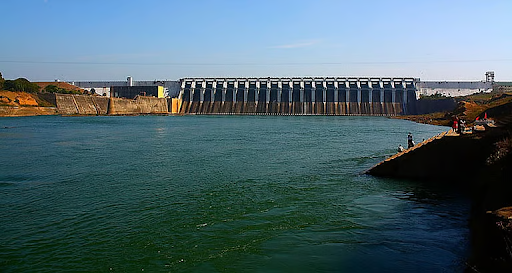
Copyright infringement not intended
Picture Courtesy: DOWNTOEARTH
The National Dam Safety Authority (NDSA), under the Ministry of Jal Shakti, has issued a show-cause notice to the Narmada Valley Development Authority over safety concerns at Bargi Dam.
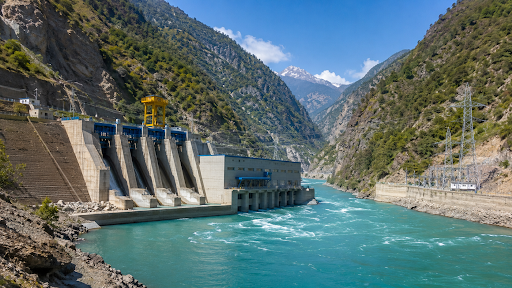
The Bargi Dam, officially named the Rani Avantibai Lodhi Sagar Project, is a multipurpose dam (Irrigation, Power Generation, Water Supply) located on the Narmada River in the Jabalpur district, Madhya Pradesh.
In January 2026, the National Dam Safety Authority (NDSA) issued a show-cause notice to the Narmada Valley Development Authority over safety non-compliance issues.
Vast Infrastructure: India is the world's third-largest dam-owning nation after China and the USA, with 6,138 completed large dams. (Source: National Register of Large Dams)
Ageing Structures: Over 1,065 large dams are between 50-100 years old, and 224 are over a century old, making them more vulnerable to structural decay. (Source: Ministry of Jal Shakti)
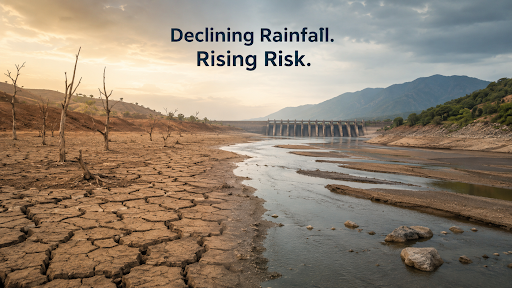
Climate Change: Increased frequency of extreme weather events like intense rainfall and flash floods puts unprecedented stress on these ageing structures.
Reservoir-Induced Seismicity (RIS): It occurs when the pressure from a large reservoir triggers earthquakes, with the 1967 Koyna Dam earthquake (magnitude 6.3–6.6) in Maharashtra being the most notable Indian example, highlighting the seismic risks of large dams.
It is a comprehensive law enacted to provide an institutional mechanism for the surveillance, inspection, operation, and maintenance of specified dams across the country to prevent dam failure-related disasters.
It applies to dams over 15 meters high, or between 10 to 15 meters with specific structural conditions.
Institutional Framework: The Act establishes a four-tier institutional structure to ensure uniform safety procedures nationwide:
Responsibilities of Dam Owners: The primary responsibility for dam safety rests with the dam owners (mostly state governments). They are mandated to:
Enforcement and Penalties: The Act grants legal powers to dam safety agencies to implement protocols. Non-compliance or obstruction of officials in their duties can lead to penalties, including imprisonment for up to one year.
The Act aims to address the safety concerns of India's numerous aging dams, many of which are over 50 years old, and mitigate potential disasters in downstream communities.
Source: DOWNTOEARTH
|
PRACTICE QUESTION Q. The Rani Avantibai Lodhi Sagar Project, recently in the news for safety concerns, is built on which of the following rivers? (a) Tapti (b) Son (c) Narmada (d) Mahanadi Answer: C Explanation: The Rani Avantibai Lodhi Sagar Project, also known as the Bargi Dam project, is constructed on the Narmada river near Jabalpur, Madhya Pradesh. |
The Bargi Dam is in the news because the National Dam Safety Authority (NDSA) issued a show-cause notice to its operating body, the Narmada Valley Development Authority (NVDA), citing serious safety concerns like persistent leakage, inadequate monitoring instrumentation, and the absence of a proper emergency action plan.
The Dam Safety Act, 2021 is a law enacted by the Indian Parliament to provide a comprehensive framework for the surveillance, inspection, operation, and maintenance of all specified dams across the country to prevent dam failure-related disasters. It establishes institutions like the National Dam Safety Authority (NDSA) and State Dam Safety Organisations (SDSO) for this purpose.
The key concerns include heavy and continuous leakage from the masonry spillway, lack of proper instrumentation to monitor the dam's structural health, security breaches in sensitive areas, and deficiencies in the emergency action plan.


© 2026 iasgyan. All right reserved