Description
The intensification of worker protests comes at a time when the Indian economy is navigating a complex recovery.
Why in News?
The intensification of worker protests comes at a time when the Indian economy is navigating a complex recovery. Labor unions have raised alarms over stagnant real wages despite rising corporate profits. Furthermore, the delay in the nationwide implementation of the Labour Codes has created an atmosphere of uncertainty for both employers and employees.
Key Issues Driving the Protests
- The Wage-Inflation Gap: While nominal wages have seen incremental increases, workers argue that high food and fuel inflation have eroded their purchasing power, leading to a crisis in the cost of living.
- The Four Labour Codes: Unions remain apprehensive about the New Labour Codes, fearing that provisions regarding fixed-term employment and easier retrenchment norms in larger establishments may lead to job insecurity.
- Contractualisation of Labour: There is a growing trend of hiring workers on a contract basis for permanent nature of work. These workers often receive lower pay and fewer social security benefits compared to permanent employees, leading to significant friction.
- Digital Surveillance and Work Pressure: In sectors like e-commerce and electronics manufacturing, workers have protested against strict digital monitoring and unrealistic production targets that impact their physical and mental well-being.
Structural Challenges in Indian Labour Markets
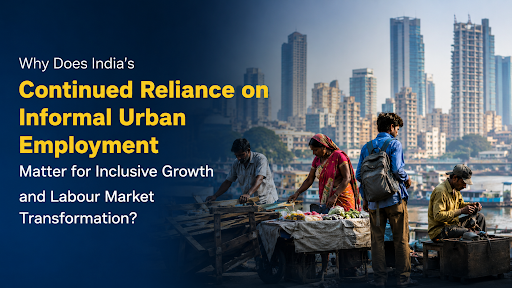
- Informality: A vast majority of the Indian workforce remains in the informal sector, lacking access to formal contracts, sick leave, or provident fund benefits.
- Gender Wage Gap: Despite legislative efforts, a significant disparity remains between the wages of male and female workers, particularly in the construction and agricultural sectors.
- Skill Mismatch: While there is a surplus of labor, many industries report a shortage of skilled workers, which hampers productivity and prevents wage growth for the unskilled workforce.
- Regulatory Complexity: The transition from a multitude of central and state labor laws to four consolidated codes is a massive administrative task that requires consensus among various stakeholders.
Significance for Economic Growth
- Industrial Productivity: Harmonious industrial relations are essential for maintaining steady production cycles and attracting Foreign Direct Investment in the manufacturing sector.
- Domestic Consumption: Since wages are the primary source of income for a large section of the population, stagnant wages can lead to dampened domestic demand, affecting overall GDP growth.
- Social Stability: Addressing labor grievances is crucial for maintaining social cohesion and ensuring that the fruits of economic growth are distributed equitably.
Way Forward
- The government should prioritize the establishment of a robust National Floor Level Minimum Wage that accounts for regional variations in the cost of living.
- There is an urgent need for a transparent and continuous dialogue between the state, employers, and labor unions to address apprehensions regarding the New Labour Codes.
- Investing in massive upskilling and reskilling programs will help workers transition to higher-value jobs.
- Strengthening the social security net for gig and platform workers is also vital in the modern economy.
Conclusion
The current wave of worker protests serves as a reminder that Indias journey toward a 5 trillion dollar economy must be inclusive and worker-centric. While labor reforms are necessary to improve the ease of doing business, they should not come at the cost of basic worker rights and dignity.
Source: Indian Express
|
PRACTICE QUESTION
Q. "The recent worker protests in India are not merely a demand for higher wages but a manifestation of deeper structural crises in the informal economy." Discuss. (250 words)
|
|
Key Insights
The Directive Principles of State Policy in Part IV of the Indian Constitution mandate that the State secure social and economic justice for the labor force through various socialist provisions. Article 39 specifically directs the State to ensure equal pay for equal work for both genders and protect the health of workers from occupational abuse or economic exploitation. Furthermore, Articles 41 and 42 obligate the government to provide the right to work and maternity relief while ensuring just and humane conditions at the workplace. Finally, Article 43 strives for a living wage and decent standard of life, complemented by Article 43A which promotes the participation of workers in the management of industries.
|