Description
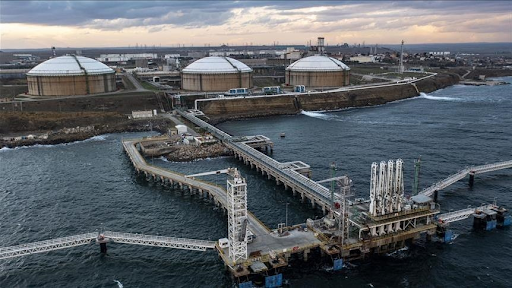
The US has allowed the one-month sanctions waiver on buying Russian oil already on the water to expire and will not be extending it, US Treasury Secretary Scott Bessent said in a press briefing in Washington.
Why in News?
On April 15, 2026, US Treasury Secretary Scott Bessent confirmed that the general licenses allowing the purchase of Russian and Iranian crude—specifically oil that was already on the water prior to March 11—will not be extended.
Key Highlights of the Policy Shift
- End of Short-term Relief: The 30-day waivers were originally issued in March 2026 as a stabilization measure. They were designed to prevent a global energy shock after the West Asia crisis and the subsequent disruptions in the Strait of Hormuz.
- Impact on Import Volume: India had significantly leveraged these waivers, with Russian crude imports hitting a nine-month high of 2.06 million barrels per day in March 2026.
- Vanishing Discounts: During the waiver period, India secured cargoes at substantial discounts. However, with the window closing, Indian refiners are reportedly paying premiums of $6-7 per barrel, a sharp reversal from earlier discounts of $8-10.
- Refiner Squeeze: Major Indian entities that had resumed buying from sanctioned Russian firms like Rosneft and Lukoil under the waiver must now reassess their sourcing to avoid secondary US sanctions.
- Maximum Pressure Redux: The US Treasury indicated that this move is part of a broader strategy to cut off revenue streams for both Moscow and Tehran, targeting what it describes as illicit oil transportation infrastructure.
Economic and Strategic Implications
- Energy Inflation: As one of the world's most price-sensitive importers, India faces renewed inflationary pressure. Crude oil import dependence has risen to nearly 90%, making the economy vulnerable to even minor price swings.
- Diversification Challenges: With the West Asia route (Hormuz) remaining volatile, finding alternative suppliers who can match the volume and price of Russian crude is a significant logistical hurdle for the Ministry of Petroleum and Natural Gas.
- Geopolitical Balancing: The expiry of the waiver tests India's relationship with the Trump administration. While a temporary trade agreement in early 2026 provided some relief, the return to strict sanctions suggests a more transactional and high-pressure phase in Indo-US energy diplomacy.
Challenges in the Near Term
- Shipping and Insurance: Most global shipping and insurance firms are based in the West. Without the US waiver, securing tankers for Russian oil becomes increasingly difficult and expensive for Indian companies.
- Payment Gateways: Navigating non-dollar payment systems or specialized bank channels for oil transactions will become more complex as the US ramps up monitoring of financial intermediaries.
Way Forward
- India must accelerate its efforts to diversify its energy basket by strengthening ties with African and Latin American producers to reduce over-reliance on any single sanctioned source.
- Domestically, increasing strategic petroleum reserves during brief price dips can provide a buffer against such policy shifts.
- Additionally, New Delhi should utilize its growing diplomatic leverage to negotiate a more permanent energy carve-out that recognizes India’s unique development needs and its role as a key regional stabilizer.
Conclusion
The end of the US oil waivers marks the conclusion of a brief period of energy ease for India. As the geopolitical landscape in West Asia and Eastern Europe remains fractured, India’s energy security will depend on its ability to navigate a world of strict sanctions and volatile prices.
Source: Indian Express
|
PRACTICE QUESTION
Q. "The expiration of the US sanctions waiver on Russian oil highlights the delicate balancing act in India-US bilateral relations." Discuss in the context of India's strategic autonomy and energy security. (250 words)
|