Description
Disclaimer: Copyright infringement not intended.
Context: Earthquake occurred near Tonga in the South Pacific Ocean
Details
Earthquake Details:
- Magnitude:2
- Location: Near Tonga, South Pacific Ocean
- Epicenter: Approximately 280 km (174 miles) southwest of Tonga
- Depth:4 km (104 miles)
Tsunami Threat:
- US Tsunami Warning System: No tsunami threat for the U.S. West Coast, British Columbia, or Alaska.
- Australia's Bureau Of Meteorology: No tsunami threat to Australia
Initial Reports:
- European Mediterranean Seismological Centre (EMSC): Initially reported a magnitude of 7 for the earthquake near the southern region of the Fiji Islands.
.jpeg)
About Earthquakes
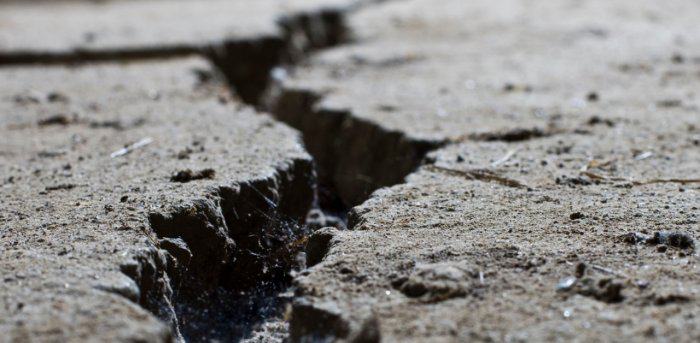
- An earthquake is a natural phenomenon characterized by the shaking of the Earth's surface.
- It occurs due to the release of energy in the Earth's crust, resulting in seismic waves.
- Earthquakes can vary in magnitude, ranging from minor tremors to major destructive events.
Causes of Earthquakes:
1.Tectonic Plate Movements:
- Most earthquakes are caused by the movement and interaction of tectonic plates.
- Plate boundaries, such as divergent, convergent, and transform boundaries, are particularly prone to seismic activity.
2.Faults:
- Earthquakes can occur along faults, which are fractures in the Earth's crust.
- When stress accumulates along a fault line, it eventually overcomes the friction, causing the rocks to slip and generate an earthquake.
3.Volcanic Activity:
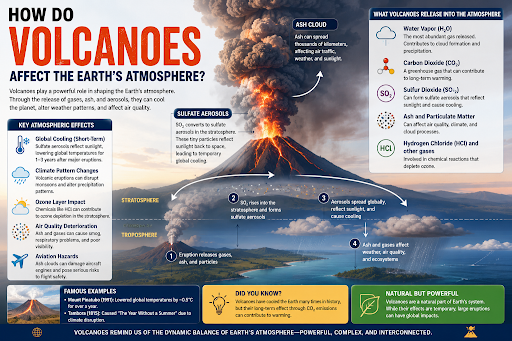
- Volcanic eruptions can trigger earthquakes, especially during explosive events or magma movement.
- These earthquakes are often localized around the volcanic region.
Measurement and Magnitude:
1.Seismographs:
- Seismographs are instruments used to measure and record seismic waves.
- They provide information about the magnitude, duration, and other characteristics of an earthquake.
2.Magnitude Scale:
- Earthquakes are quantified using various magnitude scales, such as the Richter scale or the moment magnitude scale (Mw).
- Magnitude represents the amount of energy released during an earthquake, logarithmically measured.
- Higher magnitudes indicate more significant seismic events.
Impacts and Effects:
1.Ground Shaking:
- The primary impact of an earthquake is the shaking of the ground, which can cause buildings, infrastructure, and the Earth's surface to vibrate.
2.Structural Damage:
- Earthquakes can result in the collapse or damage of buildings, bridges, and other man-made structures, leading to potential casualties and economic losses.
3.Tsunamis:
- Underwater earthquakes can generate tsunamis, massive ocean waves that can travel across long distances and cause devastation along coastal areas.
4.Aftershocks:
- Aftershocks are smaller earthquakes that follow the main earthquake and can continue for days, weeks, or even months.
- They pose additional risks to already weakened structures and can hamper rescue and recovery efforts.
Mitigation and Preparedness:
- Building Codes and Regulations: Implementing and enforcing robust building codes and regulations can enhance the structural resilience of buildings in earthquake-prone areas.
- Early Warning Systems: Developing and implementing earthquake early warning systems can provide valuable seconds to minutes of advance notice before shaking reaches populated areas.
- Public Education: Educating communities about earthquake preparedness, response procedures, and safety measures can save lives and minimize injuries during an earthquake event.
- Seismic Monitoring: Maintaining a network of seismographs and monitoring seismic activity helps in tracking earthquake occurrences, understanding fault behavior, and improving prediction models.

About Tonga
- Tonga is an archipelago located in the South Pacific Ocean.
- It is officially known as the Kingdom of Tonga and consists of 169 islands, of which 36 are inhabited.
- Tonga is situated east of Fiji, south of Samoa, and north of New Zealand.
Geography:
- Location: Tonga is located in the southwestern Pacific Ocean, between latitude 15°S and 23°S and longitude 173°W and 175°W.
- Islands: The archipelago is divided into four main island groups - Tongatapu, Haʻapai, Vavaʻu, and the Niuas.
- Volcanic Origins: Tonga's islands are primarily of volcanic origin, with some featuring rugged terrains and active volcanic activity.
- Coastal Environment: Tonga is known for its stunning coral reefs, crystal-clear waters, and pristine beaches.
Culture and Society:
- Tonga has a rich Polynesian cultural heritage, with strong traditions and customs.
- Tonga is the only remaining kingdom in the Pacific and has a constitutional monarchy.
- The majority of the population practices Christianity, particularly the Free Wesleyan Church of Tonga.
- Kava, a traditional drink made from the root of the kava plant, holds cultural significance and is consumed during ceremonial occasions.
Economy:
- Agriculture, including subsistence farming and fishing, plays a vital role in Tonga's economy.
- Tonga attracts visitors with its pristine beaches, coral reefs, and opportunities for snorkeling, diving, and whale-watching.
- Many Tongans work abroad and send remittances back home, contributing to the country's economy.
- Tonga faces economic challenges due to limited resources, vulnerability to natural disasters, and a small domestic market.
Natural Hazards:
- Tonga is prone to cyclones, which can cause significant damage to infrastructure and disrupt daily life.
- Located in the Pacific Ring of Fire, Tonga experiences occasional earthquakes due to tectonic activity.
- Some islands in Tonga have active volcanoes, and volcanic eruptions can pose risks to nearby communities.
Environmental Conservation:
- Tonga is committed to protecting its marine environment and has established marine reserves and conservation areas.
- The islands are home to diverse marine and terrestrial ecosystems, including endemic plant and animal species.
- Tonga is vulnerable to the impacts of climate change, including rising sea levels, coral bleaching, and coastal erosion.
International Relations:
- Tonga maintains diplomatic relations with various countries and participates actively in regional and international organizations.
- Tonga is an influential member of the Pacific Islands Forum, promoting regional cooperation and addressing common challenges.
|
PRACTICE QUESTION
Q) Discuss the causes and consequences of earthquakes, highlighting the challenges faced in mitigating their impact. Suggest measures to enhance preparedness and resilience in earthquake-prone regions. (250 words)
|
https://www.deccanherald.com/international/world-news-politics/earthquake-of-magnitude-72-strikes-near-tonga-1228188.html