🔔Join APTI PLUS Prelims Mirror 2026 | All India Open Mock Test Series on 12th April, 26th April & 3rd May 2026 |Register Now!

STRATEGIES FOR AGRICULTURAL GROWTH IN A VOLATILE GLOBAL ECONOMY

 In an era of significant geopolitical shifts and climate uncertainty, the traditional focus on increasing farm production is no longer sufficient to ensure sustainable growth. Experts and policymakers are now advocating for a strategy that looks beyond the farm gate to integrate Indian agriculture into global value chains while protecting it from international market volatility.
Description

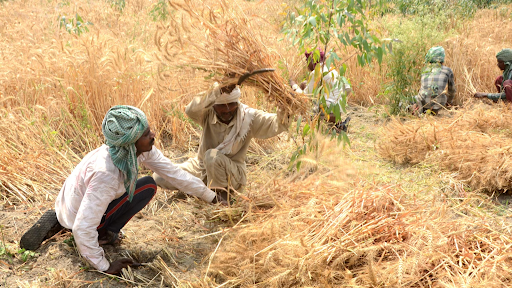
The task now is to institutionalise and scale what already works, and ensure smallholder farmers are stakeholders in value creation.

Why in News?

Recent discussions in national policy circles have highlighted that while India has achieved food surplus in many commodities, the real challenge lies in enhancing the income of farmers and the competitiveness of exports. 

Moving Beyond the Farm Gate

To achieve consistent growth, the focus must shift from mere production to value addition and market integration:

  • Processing and Value Addition: Converting raw produce into processed goods significantly increases shelf life and profit margins. For instance, exporting processed fruit pulp or flour rather than raw fruit or grain helps bypass many phytosanitary barriers and price fluctuations.
  • Strengthening Supply Chains: Investing in temperature-controlled logistics and modern warehousing reduces the massive post-harvest losses currently estimated to be significant in the horticulture and dairy sectors.
  • Global Value Chain (GVC) Integration: For India to become a global food hub, it must align its production standards with international quality norms. This involves better traceability and adherence to global safety standards.
  • Digital Market Linkages: Utilizing technology to connect farmers directly with domestic and international buyers eliminates unnecessary intermediaries, ensuring a larger share of the final price reaches the producer.

Impact of Global Volatility

The current global landscape presents unique challenges to Indian agriculture:

  • Input Cost Spikes: Conflicts in regions like West Asia lead to higher costs for fertilizers and fuel, directly increasing the cost of cultivation.
  • Trade Disruptions: Maritime insecurity in the Red Sea affects the timely delivery of perishable goods to European and African markets, leading to higher insurance and freight costs for exporters.
  • Climate Change: Erratic weather patterns necessitate the development of climate-resilient crop varieties and smarter irrigation systems to maintain steady supply levels.

Significance for the Indian Farmer

Looking beyond the farm gate is essential for doubling farmer incomes. By creating a robust secondary agriculture sector (processing and branding), the rural economy can generate non-farm jobs, reducing the pressure on land. It also provides a safety net; when global prices for raw commodities crash, processed goods often maintain more stable price points.

Way Forward

  • Policy Support for Ag-Tech: Encouraging startups that provide AI-based crop monitoring and blockchain-based supply chain tracking can bring transparency and efficiency.
  • Incentivizing Private Investment: Attracting private capital into the development of mega food parks and specialized cold chains is crucial for scaling up value addition.
  • Focus on Branding: Creating global brands for Indian specialties, such as Basmati rice, Alphonso mangoes, and organic spices, can command a premium in international markets.
  • Sustainable Practices: Shifting toward regenerative agriculture will not only protect the soil but also appeal to the growing global market for sustainably sourced food.

Conclusion

The future of Indian agriculture lies in its ability to adapt to a world where production is only half the battle. By looking beyond the farm gate and focusing on the entire value chain—from laboratory to local market and eventually to global dinner tables—India can insulate its farmers from global shocks. This holistic approach will transform agriculture from a subsistence activity into a resilient, export-oriented powerhouse, ensuring both national food security and economic prosperity.

Source: Indian Express

PRACTICE QUESTION

Q. "To achieve a $1 trillion agricultural economy, India must shift its focus from 'farm-gate' production to 'beyond-the-gate' value addition." In light of this statement, discuss the critical role of processing, logistics, and market integration in insulating Indian agriculture from global supply chain volatility. (250 words)

Free access to e-paper and WhatsApp updates

Let's Get In Touch!