🔔Join APTI PLUS Prelims Mirror 2026 | All India Open Mock Test Series on 12th April, 26th April & 3rd May 2026 |Register Now!

Mining Expansion Faces Strong Resistance from Tribal Communities in Odisha

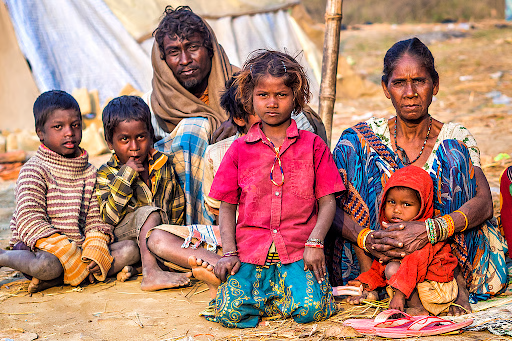
The state of Odisha, known for its vast mineral wealth, is currently witnessing a significant standoff between government-backed mining projects and indigenous tribal populations. Several planned iron ore and bauxite mining expansions in the Keonjhar and Rayagada districts have hit a roadblock as local Gram Sabhas refuse to grant consent. The tribal communities, particularly the Dongria Kondh and Santhal groups, argue that these projects threaten their sacred lands, biodiversity, and traditional way of life, leading to a tense environment in the mineral-rich belts of the state. 
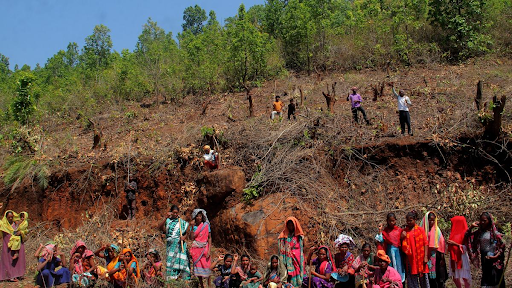
Description

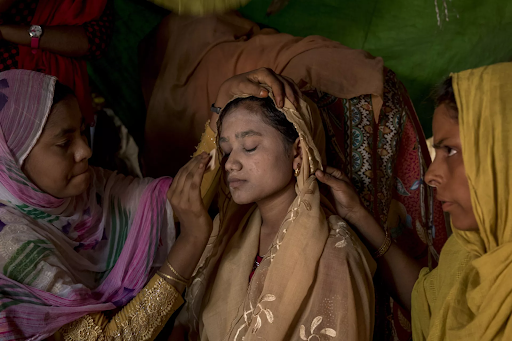
Residents of tribal villages in south Odisha are staging a protest against a proposed road to a bauxite mining project at Sijimali Hill, which they depend on for survival. 

Why in News?

The Odisha government has recently fast-tracked the auction of several mineral blocks to meet rising industrial demand and boost state revenue. However, this has triggered widespread protests, with tribal activists citing violations of the Forest Rights Act and the PESA Act.

Key Points of Contention

  • Sacred Geography: Many of the proposed mining sites are located on hills and in forests that are considered sacred by tribal deities. The communities argue that the destruction of these sites is an irreparable blow to their spiritual and cultural identity.
  • Environmental Degradation: Locals are concerned about the pollution of natural perennial streams that serve as their primary source of water. Large-scale deforestation for mining is also feared to accelerate soil erosion and destroy the habitats of rare flora and fauna.
  • Legal Violations: Protesters allege that the state has bypassed the mandatory requirement of obtaining informed consent from the Gram Sabhas as stipulated under the Panchayats (Extension to Scheduled Areas) Act, 1996.
  • Livelihood Concerns: While the government promises employment, tribal leaders argue that mining jobs are often temporary and do not compensate for the permanent loss of forest-based livelihoods, such as the collection of minor forest produce.

The Government's Perspective

  • The Odisha government maintains that mining is essential for the economic self-reliance of the state. 
  • Officials argue that these projects will bring modern infrastructure, including roads, schools, and hospitals, to underdeveloped tribal regions. 
  • The state also emphasizes that all mining activities will adhere to strict environmental guidelines.
  • The revenue generated from District Mineral Foundations is intended to be used specifically for the welfare of the local population.

Constitutional and Legal Safeguards

  • Fifth Schedule: Provides for the administration and control of Scheduled Areas and Scheduled Tribes, offering a layer of protection against land alienation.
  • The PESA Act, 1996: Empowers Gram Sabhas to approve or reject developmental projects in their jurisdiction to prevent exploitation.
  • The Forest Rights Act, 2006: Recognizes the individual and community rights of forest-dwelling tribes, including the right to manage and protect their traditional forests.
  • Samatha Judgment: A landmark Supreme Court ruling that emphasizes the importance of tribal rights over mineral resources in scheduled areas.

Way Forward

  • The government must adopt a more consultative approach rather than a top-down administrative one.
  • Ensuring the genuine participation of Gram Sabhas in the decision-making process is not just a legal requirement but a moral one. 
  • There is a need for a transparent social impact assessment to be conducted alongside the Environmental Impact Assessment. 
  • Exploring smaller-scale, sustainable mining models that involve tribal cooperatives could be a potential alternative. 
  • Additionally, the government should ensure that the District Mineral Foundation funds are utilized effectively and transparently to build trust within the community.

Conclusion

The mining resistance in Odisha is a classic example of the development versus conservation dilemma. While minerals are vital for India's industrial growth, this growth cannot be sustained if it comes at the cost of the fundamental rights of its most vulnerable citizens.

Source: The Hindu

PRACTICE QUESTION

Q. Which state in India is the largest producer of chromite, accounting for nearly the entire output of the country?

a) Chhattisgarh 

b) Jharkhand 

c) Odisha 

d) Karnataka

Answer: C

Explanation:

Odisha holds a near monopoly in the production of chromite in India, contributing over 95 percent of the total national output. The majority of these resources are concentrated in the Sukinda Valley located in the Jajpur district, where the ore is found in ultrabasic rocks. Chromite is an essential mineral used primarily in the production of stainless steel and various alloys due to its high corrosion resistance and hardness. The state also possesses significant reserves in the Keonjhar and Dhenkanal districts, making it a critical hub for the metallurgical industry in South Asia. 

Key Insights

Odisha is a powerhouse of India's mineral sector, holding approximately one-third of the country's total iron ore reserves and the largest deposits of chromite and bauxite. Significant mining hubs include the Keonjhar and Sundargarh districts for high-grade iron ore and the Jajpur district for chromite production. The state also contributes extensively to coal production through the Talcher and Ib Valley coalfields, which are vital for national energy security. This mineral wealth drives major industrial corridors but also necessitates a careful balance between resource extraction and environmental conservation within the state. 

Free access to e-paper and WhatsApp updates

Let's Get In Touch!