Description
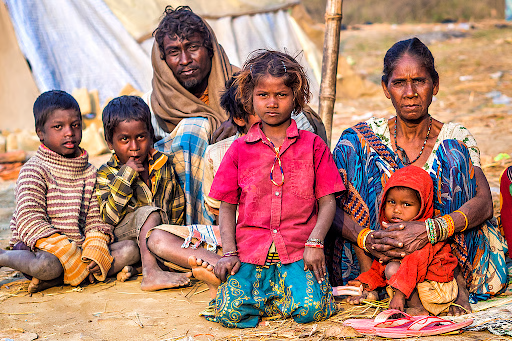
The poorest households, the study finds, spend 6.4% of their entire monthly income on tobacco, the study found.
Why in News?
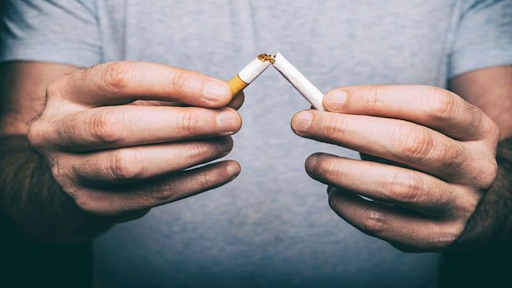
A new study focusing on the economic burden of tobacco in India has revealed that approximately 10 percent of Indian households could elevate their economic status to a higher class simply by quitting tobacco.
Key Findings of the Study
- Economic Mobility: The study indicates that the money spent on tobacco products represents a significant share of the disposable income in low and middle-income households. Removing this expense would allow these families to move up at least one economic decile.
- Crowding-Out Effect: Tobacco spending often crowds out expenditures on basic necessities. Households that consume tobacco tend to spend less on milk, vegetables, and education compared to non-tobacco-using households of the same income level.
- The Poverty Trap: High tobacco consumption is frequently coupled with high healthcare costs due to tobacco-related illnesses, creating a vicious cycle of debt and medical impoverishment.
The Multi-Dimensional Burden of Tobacco
- Healthcare Costs: Beyond the retail price of cigarettes or bidis, tobacco imposes a heavy financial load through treatments for cancer, cardiovascular diseases, and respiratory issues. This often leads to catastrophic health expenditures.
- Loss of Productivity: Tobacco-related morbidity and premature mortality lead to a loss of the primary breadwinner's income in many families, pushing the remaining members further into poverty.
- Impact on Human Capital: When funds are diverted from education and nutrition to tobacco, the long-term earning potential of the younger generation in those households is significantly diminished.
Challenges in Tobacco Control
- Affordability and Accessibility: Despite taxation, many tobacco products, especially smokeless tobacco and bidis, remain highly affordable for the poor.
- Social Acceptance: In many rural and marginalized communities, tobacco use is deeply ingrained in social customs, making behavioral change difficult.
- Influence of the Industry: The tobacco industry remains a significant source of employment and tax revenue, which sometimes complicates the implementation of aggressive anti-tobacco policies.
Way Forward
- Taxation as a Tool: India should continue to increase taxes on all tobacco products to reach the World Health Organization recommended levels, making them less affordable for the youth and the poor.
- Integrated Health Programs: Tobacco cessation services should be integrated into primary healthcare and maternal-child health programs to reach the most vulnerable populations.
- Awareness Campaigns: Focused communication strategies should highlight the economic benefits of quitting, framing tobacco control as a tool for financial empowerment rather than just a health mandate.
- Support for Substitutes: Providing affordable and accessible nicotine replacement therapies (NRT) and counseling through government wellness centers can assist in the quitting process.
Conclusion
The economic argument for quitting tobacco is as compelling as the health one. For a developing nation like India, reducing tobacco prevalence is a direct path toward improving household welfare and achieving broader developmental goals.
Source: Indian Express
PRACTICE QUESTION
Q. "The burden of tobacco consumption falls disproportionately on the most vulnerable sections of society." Analyze how tobacco use reinforces the cycle of poverty and social inequity in India. (150 Words)
|
|
Key Insights
Tobacco is a prominent commercial crop in India, classified as a drought-tolerant plant that thrives in semi-arid regions with well-drained soils. India stands as the second-largest producer and exporter globally, with major cultivation hubs located in Andhra Pradesh, Karnataka, and Gujarat. The crop is regulated through the Tobacco Board under the Ministry of Commerce and Industry to manage production and maintain export quality. While it contributes significantly to the national economy through excise revenue and employment, it remains a major public health concern due to its status as a leading cause of preventable diseases.
|