Vande Mataram, written by Bankim Chandra Chatterjee in 1875, emerged as a powerful cultural symbol of India’s freedom struggle. First sung by Rabindranath Tagore in 1896, it inspired patriotism and unity among freedom fighters. Adopted as the National Song in 1937 and reaffirmed in 1950, it continues to represent national pride, sacrifice, and devotion to the motherland, holding an honoured place in India’s historical and cultural identity.
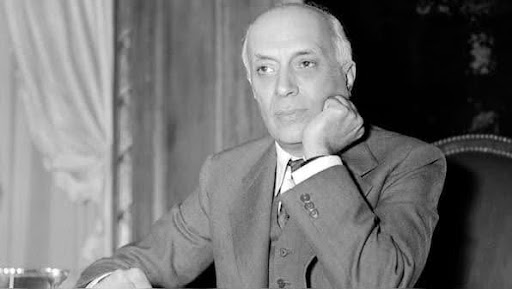
History of Vande Mataram
Copyright infringement not intended
Picture Courtesy: First Post
Context:
Prime Minister Narendra Modi on Monday (December 8) spoke at length in Parliament about the history of Vande Mataram to commemorate the 150th anniversary of India’s national song.
|
Must Read: Bankim Chandra Chattopadhyay | |
About Vande Mataram:
Origin
Meaning
Introduction to the Public Sphere
Status During Freedom Movement
Pre-Independence Adoption
Post-Independence Recognition
Constitutional Position
Role of literature in India’s freedom struggle:
Awakening National Consciousness
Mobilising the masses
Promoting social reform and national unity
Symbolic Inspiration
Conclusion:
Vande Mataram stands as more than a patriotic song—it became a spiritual and emotional anthem of India’s freedom struggle. By glorifying the motherland and inspiring sacrifice, it united people across regions and ideologies. Even after independence, its legacy endures as a symbol of national pride, cultural identity, and collective resilience, deserving honour alongside the national anthem.
Source: Indian Express
|
Practice Question Q. Discuss the historical significance of Vande Mataram in India’s freedom struggle. How did it contribute to shaping national identity and political mobilisation? (150 words) |
It was composed by Bankim Chandra Chatterjee in 1875
The poem was written in Sanskrit, though in Bengali script.
Rabindranath Tagore first performed it at the 1896 session of the Indian National Congress.



© 2026 iasgyan. All right reserved