The Jal Seva Aankalan shifts focus from infrastructure to high-quality service delivery through digital assessment. By empowering Gram Panchayats and fostering Jan Bhagidari, it addresses operational gaps, though success depends on overcoming capacity deficits and ensuring sustainable groundwater management.
Copyright infringement not intended
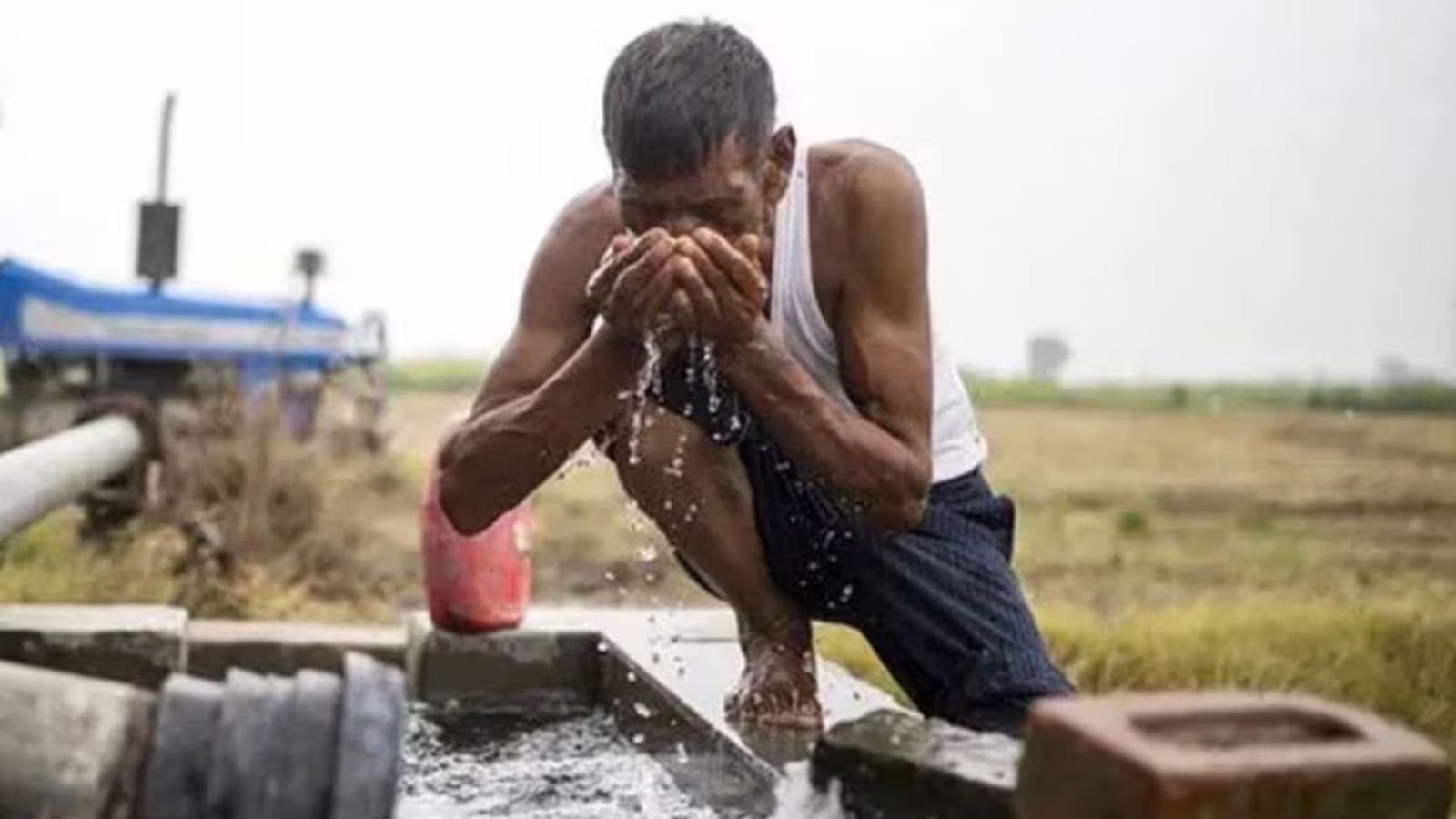
Picture Courtesy: indianexpress
Why in the News?
The Jal Seva Aankalan (JSA) is a performance assessment framework to evaluate the quality, quantity, and regularity of water supply services delivered to rural households.
What is Jal Seva Aankalan?
It is a digital, Gram Panchayat-led assessment tool, launched in December 2025, by the Department of Drinking Water & Sanitation (DDWS), Ministry of Jal Shakti.
Objectives
Community Ownership: To replace infrequent external surveys with a continuous, community-owned self-assessment mechanism.
Democratic Decision Making: To position the Gram Panchayat as the custodian of water assets and the Gram Sabha as the final validation forum.
Evidence-Based Planning: To generate real-time data for district and state authorities to fix service gaps.
Assessment Mechanism (The 5-Step Process)
VWSC Evaluation: The Village Water & Sanitation Committee (VWSC) conducts the initial ground-level assessment of the water supply system.
Gram Sabha Validation: The findings are presented to the Gram Sabha. This acts as a Social Audit, ensuring transparency and collective agreement on the status of water services.
Digital Integration: The Panchayat Secretary uploads the validated data onto the JJM-IMIS (Integrated Management Information System) digital portal.
Public Scrutiny: The data is made public through platforms like the Nari Panchayat App and eGramSwaraj, with a specific 30-day feedback window for citizens to raise objections.
Review & Action: District and State authorities utilize this data to deploy funds and technical support where gaps are identified.
Parameters of Assessment
The assessment is comprehensive, consisting of 23 specific questions that evaluate four domains:
Significance
Decentralization: It is a practical application of the 73rd Constitutional Amendment, reinforcing the Gram Sabha's role in managing local public goods.
Jan Bhagidari (Public Participation): It moves citizens from being "beneficiaries" to "evaluators," a key tenet of the "Jan Bhagidari" pillar of the Jal Jeevan Mission.
Digital Governance: The integration with JJM-IMIS and public apps demonstrates the use of technology to reduce information asymmetry between the government and the governed.
Source: PIB
|
PRACTICE QUESTION Q. In what ways does the 'Jal Seva Aankalan' framework transform the role of Gram Panchayats from infrastructure beneficiaries to service delivery custodians? Discuss. 150 words |
Jal Seva Aankalan is a digital drinking water service functionality assessment tool launched on the Jal Jeevan Mission (JJM) portal. It empowers Gram Panchayats to self-evaluate their piped water supply systems across five parameters: regularity, adequacy, water quality, operation and maintenance (O&M), and source sustainability.
The process starts with ground-level discussions involving local committees and user groups. The findings are debated and endorsed in the Gram Sabha, then digitally uploaded to public dashboards like eGramSwaraj. A 30-day citizen feedback window is provided before finalization to ensure transparency.
It operationalizes Article 243G by shifting the power of drinking water management to local Panchayats. It also institutionalizes Jan Bhagidari (people's participation) through the Village Water & Sanitation Committees (VWSCs), which mandate 50% female representation, and enforces the Constitutional Right to Water (Article 21).


© 2026 iasgyan. All right reserved