The growth of India’s eight core sectors slowed to 4.2 percent in March 2026, a significant decline compared to the 7.8 percent recorded in the same month of the previous year. While sectors like steel and electricity maintained positive momentum, a sharp slump in fertilizer production and stagnant crude oil output dragged down the overall index.
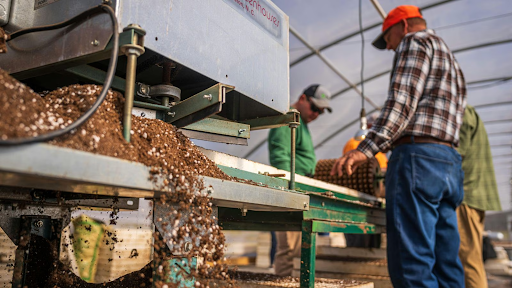
Production of fertilizer suffered the most, dropping 24.6% compared to the same month last year.
The Index of Eight Core Industries is a lead indicator for the Index of Industrial Production, representing over 40 percent of the weight of items included in the IIP. The March 2026 data released by the Ministry of Commerce and Industry highlights a diverging trend in the Indian economy, where infrastructure demand remains robust, but the agriculture-linked manufacturing sector faces severe input cost pressures.
The March 2026 core sector data presents a mixed picture of the Indian industrial landscape. While the infrastructure story remains intact, the vulnerability of the fertilizer and energy sectors to external shocks remains a concern.
Source: Indian Express
|
PRACTICE QUESTION Q. Examine the significance of the Eight Core Industries in the calculation of IIP. How does a slump in these sectors affect the government’s 'Make in India' and 'Atmanirbhar Bharat' objectives? (250 Words) |
|
Key Insights The Index of Industrial Production is a vital macroeconomic indicator that measures the short-term changes in the volume of production of a basket of industrial products over a given period. It is compiled and published monthly by the National Statistical Office under the Ministry of Statistics and Programme Implementation. The index currently uses 2011-12 as its base year, although the government is in the process of transitioning to a 2022-23 base year as of May 2026. It classifies industrial activity into three sectoral categories—Manufacturing, Mining, and Electricity—while also providing a use-based breakdown including primary, capital, and infrastructure goods. |





© 2026 iasgyan. All right reserved