Description
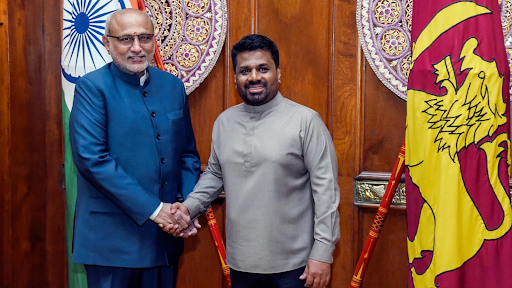
During a high-level diplomatic visit to Colombo, the Indian government extended OCI card benefits to sixth-generation Sri Lankans.
Why in News?
During a high-level diplomatic visit to Colombo, the Indian government extended OCI card benefits to sixth-generation Sri Lankans. Previously, the eligibility was generally restricted to the fourth generation.
Key Features of the Extension
- Generational Expansion: The eligibility criteria have been pushed from the fourth to the sixth generation, allowing great-great-great-grandchildren of original Indian migrants to apply for OCI cards.
- Simplified Documentation: Recognizing that many plantation workers lack formal records from the 1800s, the Ministry of External Affairs has introduced a more flexible verification process involving community records and historical plantation rolls.
- Targeted Beneficiaries: While the policy applies to all eligible residents in Sri Lanka, the primary beneficiaries are the Malaiyaha Tamils, who have historically been the most marginalized section of the Indian diaspora in the island nation.
- Consistency with Citizenship Laws: This administrative change aligns with the recent amendments to the OCI rules intended to strengthen the cultural and economic bonds between India and its overseas community.
Benefits of OCI Status
- Lifelong Visa: OCI cardholders enjoy a multi-purpose, multiple-entry, lifelong visa for visiting India.
- Economic Rights: They are granted parity with Non-Resident Indians in economic, financial, and educational fields, including the right to purchase non-agricultural land and invest in domestic markets.
- Ease of Residence: OCI holders are exempt from registering with the Foreigners Regional Registration Officer regardless of the length of their stay in India.
- Professional Opportunities: They can pursue various professions in India such as doctors, lawyers, and architects, facilitating a reverse flow of skills and heritage-based tourism.
Geopolitical and Social Significance
- Strengthening Bilateral Ties: By addressing a sensitive humanitarian issue, India reinforces its role as a supportive partner to Sri Lanka while securing its influence among the local populace.
- Soft Power Projection: The move underscores India's commitment to its civilizational identity and its responsibility toward the global Indian family, regardless of how many generations have passed since migration.
- Countering Statelessness Legacy: Although the 2003 Sri Lankan citizenship laws resolved much of the statelessness issue, the OCI card provides an additional layer of security and a sense of belonging for a community that was historically disenfranchised.
- Strategic Deepening: Enhanced people-to-people ties in the northern and central provinces of Sri Lanka help India maintain a stable and friendly presence in a region of high maritime importance.
Way Forward
- To ensure the success of this extension, the Indian High Commission in Colombo should establish dedicated mobile camps in plantation areas to assist applicants with the documentation process.
- The government should also consider digitalizing historical migration records in collaboration with the Sri Lankan authorities to speed up verification.
- Educational scholarships and skill-training programs specifically for sixth-generation OCI holders could help integrate this community into the modern Indian growth story.
Conclusion
The extension of OCI eligibility to the sixth generation is a historic recognition of the enduring ties between India and the Indian-origin Tamils of Sri Lanka. It corrects a historical oversight and acknowledges that heritage does not diminish with the passage of time.
Source: Indian Express
|
PRACTICE QUESTION
Q. Examine the evolution of the Overseas Citizenship of India (OCI) scheme. How does the recent expansion of eligibility reflect India’s shifting approach toward its 'civilizational diaspora' compared to the 'economic diaspora'? (250 words)
|
| Key Insights
The Overseas Citizen of India or OCI card is a lifelong visa facility provided to foreign citizens of Indian origin to live and work in India indefinitely. Introduced by amending the Citizenship Act of 1955 in 2005, it grants holders most rights available to resident citizens except for voting, contesting elections, or holding constitutional posts. Applicants must be eligible based on their own, their parents, or their grandparents previous Indian citizenship, though individuals with roots in Pakistan or Bangladesh are strictly excluded. Cardholders also enjoy parity with Non-Resident Indians in economic, financial, and educational fields but require specific permits for mountaineering, missionary work, or visiting restricted areas.
|