Description
Disclaimer: Copyright infringement not intended.
Context
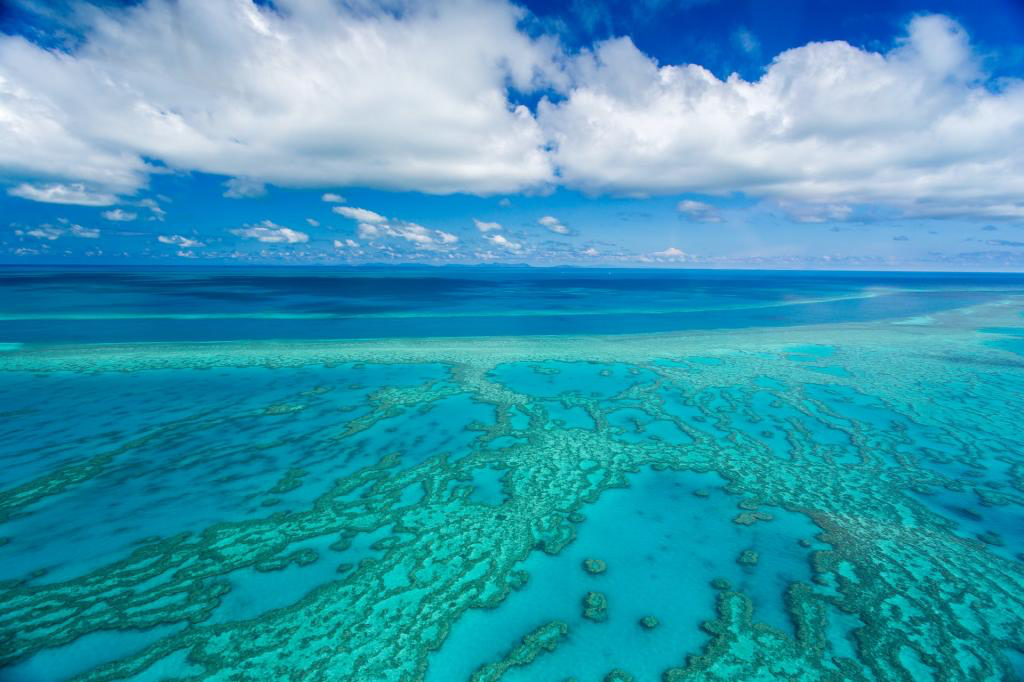
The critical situation facing the Great Barrier Reef, one of the world's most iconic natural wonders, due to a combination of environmental challenges, particularly the impacts of climate change.
Details
- The Great Barrier Reef faces mounting challenges as environmental issues threaten its existence.
- UNESCO's decision on whether to list it as "in danger" has been deferred due to a change in approach by the Australian government.
UNESCO's Concern and Government Response
- UNESCO has deferred the decision on listing the Great Barrier Reef as "in danger."
- Change in approach by the Australian government, particularly between the former Coalition government and Labor, influenced the decision.
Challenges to the Reef
- Persistent Threats: Agricultural runoff, shipping pollution, and fisheries continue to pose significant threats to the reef's health. Despite improvements in water quality, challenges like climate change remain.
- Impact of Climate Change: Rising temperatures and marine heat waves due to climate change have devastating effects on coral reefs. Background warming and intense marine heatwaves exacerbate coral bleaching and mortality.
- Limited Resilience: While the reef displays resilience to a certain extent, there is a threshold beyond which coral communities collapse. Recent efforts for coral regrowth during cooler years are insufficient to counter long-term impacts.
- Urgent Need for Action: Climate change, driven by greenhouse gas emissions, remains the primary threat to the reef's survival. Incremental efforts such as seeking heat-tolerant corals or replanting baby coral may not be effective.
- Time Sensitivity: The urgency of the situation demands immediate and comprehensive action. Delaying decisions and relying on incremental efforts is insufficient given the rapid pace of climate change.
Concerns and Realities
- The Australian government's efforts and funding to address issues like water quality and gillnet use are positive but insufficient.
- The focus on climate change and greenhouse gas emissions remains inadequate, endangering the reef's future.
About Great Barrier Reef
Disclaimer: Copyright infringement not intended.
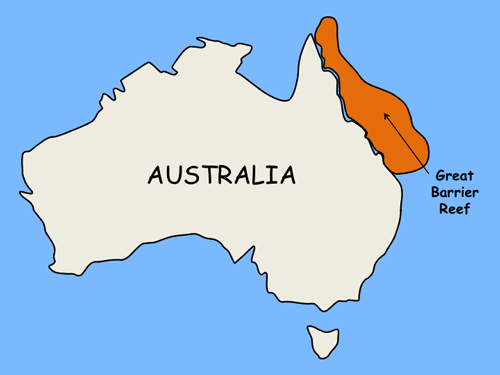
- The Great Barrier Reef, situated off the northeastern coast of Australia, is one of the world's most remarkable and diverse marine ecosystems.
- It stretches over 2,300 kilometers (1,430 miles) and encompasses a vast expanse of coral reefs, islands, and marine life.
- Recognized as a UNESCO World Heritage Site, the reef holds immense ecological significance and is a global treasure.
Biodiversity and Ecological Importance
- Coral Diversity: The Great Barrier Reef is composed of nearly 3,000 individual reefs and boasts a remarkable variety of coral species, each contributing to the vibrant colors and intricate structures of the underwater world.
- Marine Species: The reef is home to an impressive array of marine life, including more than 1,500 species of fish, various mollusks, sharks, rays, marine mammals, and countless invertebrates.
- Economic Value: Beyond its ecological role, the Great Barrier Reef supports Australia's economy through tourism, fishing, and recreational activities, generating billions of dollars annually and providing livelihoods to local communities.
|
PRACTICE QUESTION
Q) Analyze the implications of climate change and human activities on the reef's health and suggest measures to ensure its long-term sustainability. (150 words)
|

https://www.downtoearth.org.in/news/climate-change/climate-crisis-tourism-may-place-venice-on-unesco-heritage-danger-list-90947