Description
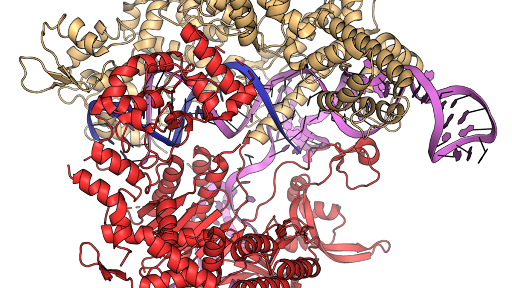
Representative image of the Cas9 protein in complex with sgRNA and its target DNA. Cas9 is part of the CRISPR-Cas9 gene-editing tool. Research has shown that CRISPR-based gene drives can spread through small laboratory cages of mosquitoes.
Why in News?
A landmark study revealed that gene-drive-equipped mosquitoes could suppress local populations of the Anopheles species by over 90 percent in controlled settings.
Understanding Gene Drive Technology
- The Mechanism: Unlike standard genetic modification, where a trait has a 50 percent chance of being inherited, gene drives use a molecular machinery that copies the modified gene from one chromosome to another. This ensures that almost 100 percent of the offspring carry the trait.
- Population Suppression: One strategy involves spreading a gene that makes female mosquitoes sterile. As the gene spreads, the number of viable females crashes, leading to a population collapse.
- Population Replacement: Another strategy modifies mosquitoes to make them immune to the malaria parasite (Plasmodium), effectively breaking the cycle of transmission to humans without wiping out the species.
- Precision: The technology is highly species-specific, meaning it only affects the target mosquito population without directly harming other insects like bees or butterflies.
Significance for Public Health
- Overcoming Resistance: Traditional methods like insecticide-treated nets and indoor spraying are becoming less effective as mosquitoes evolve resistance. Gene drives bypass this by targeting the biology of the insect.
- Cost-Effectiveness: Once a small number of modified mosquitoes are released, the drive spreads on its own, potentially requiring less long-term investment compared to repeated chemical spraying.
- Reaching Remote Areas: Gene drives do not rely on human compliance or infrastructure; the mosquitoes themselves carry the intervention into deep forests and rural regions where healthcare access is limited.
Ecological and Ethical Concerns
- The primary risk associated with gene drives is their potential for unintended consequences.
- Critics argue that removing a species from an ecosystem could disrupt food chains, as mosquitoes serve as food for birds, bats, and fish.
- There is also the concern of "genetic spillover," where the modified gene might move to a related non-target species.
- The permanent and self-sustaining nature of gene drives raises ethical questions about "informed consent" for entire nations or transboundary regions.
Way Forward
- To harness this technology safely, India and the global community must establish a robust, transparent regulatory protocol that includes rigorous biosafety testing in contained facilities.
- Public engagement is essential, particularly for communities living in malaria-endemic zones, to build trust and ensure social license.
- Developing "reversal drives"—secondary genetic modifications that can undo or neutralize the original gene drive if something goes wrong—is a critical technical safeguard.
Conclusion
Gene drive technology represents a frontier in biotechnology that could finally make malaria a disease of the past. While the scientific potential is immense, the ecological stakes are equally high. The path forward requires a balanced approach that weighs the urgent humanitarian need to save millions of lives against the responsibility of protecting global biodiversity.
Source: The Hindu
|
PRACTICE QUESTION
Q. "Gene Drive technology represents a paradigm shift in vector-borne disease control, moving from 'managing' populations to 'engineering' them." Explain the mechanism of Gene Drives and their potential in eradicating malaria in India. (250 words)
|
|
Key Insights
Malaria is a life-threatening disease caused by Plasmodium parasites that are transmitted to humans through the bites of infected female Anopheles mosquitoes. Once the parasites enter the bloodstream, they travel to the liver to mature and subsequently infect red blood cells, leading to symptoms like high fever, chills, and anemia. In the Indian context, the government has launched the National Framework for Malaria Elimination to significantly reduce the disease burden and achieve a malaria-free status by 2030. Preventive measures such as using insecticide-treated nets and prompt diagnostic testing remain the primary strategies for controlling the spread of this vector-borne illness.
|