Description
Recent assessments of India’s energy sector highlight a growing concern over the country’s reliance on imported LPG.
Why in News?
Recent assessments of India’s energy sector highlight a growing concern over the country’s reliance on imported LPG.
The Current Landscape of LPG in India
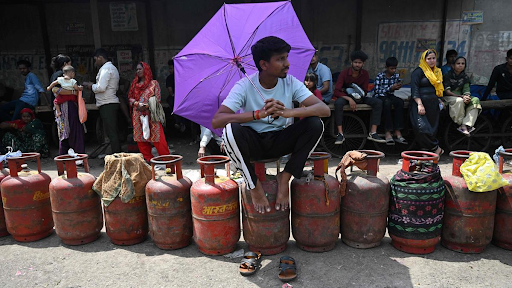
- Import Dependency: India is one of the world's largest importers of LPG, with over 60% of its domestic requirement being met through foreign sources, primarily from Qatar, Saudi Arabia, and the UAE.
- Consumption Growth: The push for clean cooking fuel has increased the number of active LPG consumers significantly, making it an essential commodity for both rural and urban households.
- The Ujjwala Factor: Government initiatives have successfully replaced traditional biomass with LPG, but this has tied the energy security of the poorest citizens directly to international market fluctuations.
Key Strategic Vulnerabilities
- Geopolitical Concentration: A heavy reliance on the Persian Gulf region makes India’s supply chain susceptible to regional conflicts, maritime blockades, or political instability in West Asia.
- Pricing Volatility: Since LPG is a byproduct of crude oil refining and natural gas production, its price is highly sensitive to global oil shocks. Sudden price spikes put a massive strain on the government’s subsidy bill.
- Logistical Bottlenecks: India faces challenges in port infrastructure and pipeline connectivity. Most LPG is transported via ships to coastal terminals, and any disruption at these points can lead to shortages in the hinterland.
- Storage Limitations: Unlike crude oil, India’s strategic reserves for LPG are relatively limited, leaving little buffer to manage prolonged supply disruptions.
Economic and Social Implications
- Fiscal Burden: To keep LPG affordable for the common man, the government often has to absorb price hikes, leading to an increase in the fiscal deficit.
- Energy Poverty: If international prices remain high for extended periods, there is a risk of low-income households reverting to polluting solid fuels like wood or coal, negating the health benefits of the clean energy transition.
Way Forward
- Diversification of Sources: India must look beyond the Middle East and secure long-term supply contracts with nations in Africa, North America, and Australia to reduce regional dependency.
- Strengthening Infrastructure: Investment in cross-country LPG pipelines and increasing the capacity of import terminals is essential to lower transportation costs and improve supply reliability.
- Boosting Domestic Production: Encouraging advanced refinery technologies to maximize LPG yield and exploring non-conventional gas sources can help marginally reduce the import gap.
- Promoting Alternatives: To reduce the total load on LPG, the government should promote electric cooking (e-cooking) powered by renewable energy and expand the Piped Natural Gas (PNG) network in urban areas.
Conclusion
India’s LPG success story is a testament to its commitment to public health and environmental sustainability. However, this progress must be safeguarded by a resilient supply strategy. By diversifying import sources, enhancing domestic infrastructure, and integrating alternative clean energy solutions, India can mitigate its strategic vulnerabilities.
Source: The Hindu
|
PRACTICE QUESTION
Q. "India’s success in expanding LPG coverage has inadvertently created a new dimension of energy vulnerability." Discuss the strategic risks associated with India’s high dependency on LPG imports. (150 Words)
|
|
Key Insights
Strategic petroleum reserves are massive stockpiles of crude oil maintained by nations to ensure energy security during global supply disruptions or emergency situations. In India, these underground rock caverns are managed by the Indian Strategic Petroleum Reserves Limited and are currently located in Visakhapatnam, Mangaluru, and Padur. These facilities provide a critical buffer against oil price volatility and geopolitical tensions that could threaten the steady flow of energy imports. This strategic infrastructure allows the government to stabilize the domestic market and maintain essential services for several days in the event of a total maritime blockade or international crisis.
|