The US and Iran agreed to a 14-point peace framework in June 2026 to halt hostilities and reopen the Strait of Hormuz. The deal establishes a 60-day negotiating window, releases $25 billion in Iranian assets, and revives vital nuclear diplomacy.
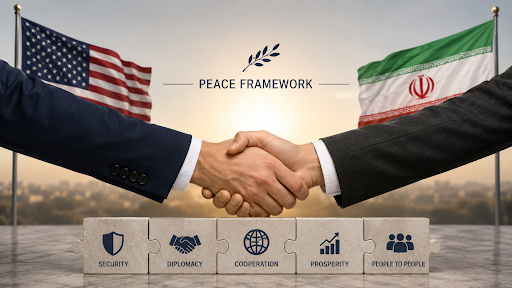
President Donald Trump and Iranian officials have finalized a draft 14-point peace framework to end the recent conflict.
Immediate Cessation of Hostilities: The agreement mandates an immediate halt to all military operations, freezing a conflict that threatened to ignite a wider, uncontrollable Middle East war.
Nuclear Diplomacy: The deal establishes a strict 60-day window for negotiations, requiring Iran to freeze the expansion of nuclear facilities and commit to halting the pursuit of nuclear weapons.
Economic Reintegration: The United States commits to issuing temporary waivers for Iranian oil exports and releases approximately $25 billion in frozen assets to facilitate economic stabilization.
|
Background of US–Iran Relations 1979 Islamic Revolution: The overthrow of the US-backed Shah permanently severed diplomatic ties and triggered decades of US trade embargoes against the Islamic Republic. JCPOA (2015): The Joint Comprehensive Plan of Action previously capped Iran’s nuclear development in exchange for global market integration. Maximum Pressure Campaign: The 2018 US withdrawal from the JCPOA under the Trump administration accelerated Iran’s nuclear program, directly precipitating the 2026 conflict. |
Key Features of the Draft Framework
The 14-point agreement balances security guarantees with economic incentives to ensure long-term compliance.
Impact on Global Energy and Markets
The reopening of the Strait of Hormuz acts as a vital stabilizer for the global economy.
Implications for India
Energy Security: The stabilization of oil prices lowers the risk of imported inflation and ensures a steady supply of crude oil from the Middle East.
Chabahar Port: The release of $25 billion in assets and the issuance of sanctions waivers protect India’s long-term investments in the Shahid Beheshti terminal.
Diaspora Safety: The truce ensures the physical and economic security of over 9 million Indian expatriates in the Gulf, stabilizing foreign remittance inflows.
Market Sentiment: The Indian stock markets responded positively to the news, with the Sensex surging 2,775 points.
Trust Deficit: Deep-seated hostility between hardliners in Washington and Tehran threatens the durability of the framework.
Verification Mechanisms: The lack of finalized, internationally verified inspection protocols for Iran’s nuclear facilities remains a primary point of contention.
Regional Rivalries: Ongoing conflicts, such as the situation in Lebanon, risk triggering retaliatory actions that could collapse the fragile Memorandum of Understanding (MoU).
Diplomacy: Both parties must utilize the 60-day negotiation window to transition from an interim truce to a comprehensive, binding treaty.
International Monitoring: Negotiators must implement strict, transparent inspection mechanisms to verify Iran’s adherence to enrichment limits.
Confidence-Building: The success of the framework relies on the tangible restoration of commercial shipping and the consistent execution of economic relief measures.
The 2026 US-Iran 14-point framework acts as a vital geopolitical circuit breaker, averting a global economic collapse by reopening the Strait of Hormuz and opening a 60-day diplomatic window for lasting nuclear peace.
Source: INDIATODAY
|
PRACTICE QUESTION Q. "The 2026 US-Iran ceasefire demonstrates that modern geopolitical conflicts are deeply intertwined with global economic stability." Analyze. 150 words |
The framework is a historic, multi-nation diplomatic breakthrough brokered by Oman that halts Iran's nuclear enrichment at 60% in exchange for the comprehensive rollback of crippling US economic, banking, and energy sanctions.
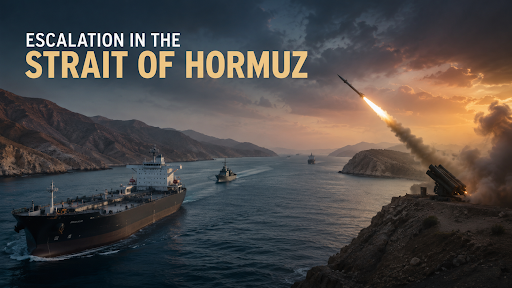
The Strait of Hormuz is the world's most critical maritime chokepoint because over 20% of global petroleum liquids pass through its narrow transit lanes daily, directly connecting Middle Eastern oil producers to global markets.
The diplomatic breakthrough delivers immense economic relief to India by immediately lowering volatile Brent crude oil prices, opening up cheaper direct energy imports from Tehran, and accelerating India's strategic investments in the Chabahar Port network.
Deep systemic friction persists due to profound underlying geopolitical mistrust, domestic political opposition within the US Congress, and ongoing regional security disputes regarding state-sponsored proxy militias across the Middle East.

© 2026 iasgyan. All right reserved