Kala Sanskriti Vikas Yojana, a Central Sector scheme with ₹207.24 crore in 2024–25, supports intangible heritage through sub schemes like Guru Shishya Parampara and Seva Bhoj. Beyond culture, it strengthens soft power and border outreach, though red tape, weak pensions, and reform gaps remain concerns.
Copyright infringement not intended
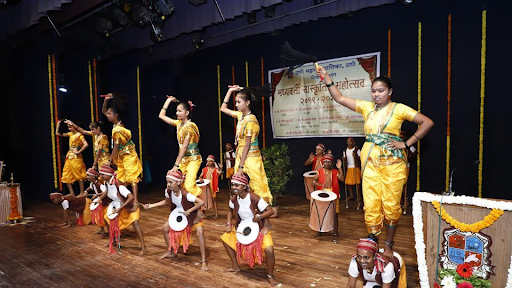
Picture Courtesy: hindustantimes
Context
The Ministry of Culture released the operational data for the Kala Sanskriti Vikas Yojana (KSVY) for the fiscal year 2024-25.
What is Kala Sanskriti Vikas Yojana (KSVY)?
It is an umbrella scheme implemented by the Ministry of Culture to promote and preserve cultural heritage.
It provides financial support to individuals, groups, and cultural organizations engaged in performing arts, visual arts, and literature.
The Ministry of Culture reported a high fund utilization rate of 97.3% for 2024-25, disbursing ₹201.67 Crore out of ₹207.24 Crore allocated. (Source: PIB)
Key Sub-Schemes and Components
Preserving traditional art forms that are passed down orally from teacher (Guru) to disciple (Shishya).
Focuses on creating physical spaces for cultural activities across the country.
Acts as a social safety net for artists who lack financial security in their old age.
Provides fiscal support to charitable religious institutions that serve free food to the public.
What are the Challenges Faced by Kala Sanskriti Vikas Yojana (KSVY)?
Inadequate Budgetary Allocation: The Parliamentary Standing Committee noted that the Ministry of Culture's budget allocation is less than 0.1% of the Union Budget, which limits the reach and effect of KSVY.
Urban Bias: Eligibility criteria for major grants require a significant financial turnover, favoring large, well-established urban organizations over smaller rural troupes.
Digital Divide: Artists from rural areas with limited digital literacy struggle to access online scheme benefits due to application process hurdles.
Way Forward
Increase Budgetary Support: Financial outlay must be increased to keep pace with inflation and enhance the value of grants and scholarships.
Integrate with Tourism: KSVY should be linked with initiatives like "Dekho Apna Desh" to create Cultural Economic Zones, providing platforms for artists to earn sustainable livelihoods.
Digitize Heritage: The scheme must allocate funds for creating a "Digital Cultural Archive" using modern technologies like AI and VR to preserve art forms for posterity.
Learn Lessons from Global Models
Conclusion
The Kala Sanskriti Vikas Yojana is vital for India's soft power and identity but requires addressing structural issues and increasing funding to transition from a mere preservation scheme into a driver of a strong creative economy.
Source: PIB
|
PRACTICE QUESTION Q. Consider the following statements : Statement I: The "Tagore Cultural Complexes" (TCC) scheme provides financial assistance up to a maximum of ₹15 crore for the creation of new large cultural spaces. Statement II: The scheme provides support only for the construction of new auditoriums and does not allow for the renovation of existing cultural facilities. Which one of the following is correct in respect of the above statements ? A. Both Statement I and Statement II are correct B. Both Statement I and Statement II are incorrect C. Statement I is correct, but Statement II is incorrect D. Statement I is incorrect, but Statement II is correct Answer: C Explanation: Statement I is correct: Under the Tagore Cultural Complexes (TCC) scheme, financial assistance for any project is normally provided up to a maximum of ₹15 crore. In rare cases of outstanding merit, this can be increased to ₹50 crore, but the standard ceiling remains ₹15 crore. Statement II is incorrect: The scheme is not restricted only to new constructions. Its objectives explicitly include the restoration, renovation, extension, and modernization of existing cultural facilities, such as Rabindra Bhawans, Rangshalas, and other auditoria. |
KSVY is an umbrella Central Sector Scheme by the Ministry of Culture. It focuses on the promotion and dissemination of Indian art and culture, preserving intangible heritage, and providing financial support to artists and cultural organizations.
It is a sub-scheme under KSVY that reimburses the Central Goods and Services Tax (CGST) and Integrated Goods and Services Tax (IGST) paid by charitable religious institutions (like Gurudwaras or Temples) on specific raw food items used for serving free food to the public.
Artists aged 60 years and above who have contributed significantly to art and culture but are currently facing financial difficulties are eligible. Their annual income must not exceed ₹72,000 (though experts suggest this limit needs revision).


© 2026 iasgyan. All right reserved