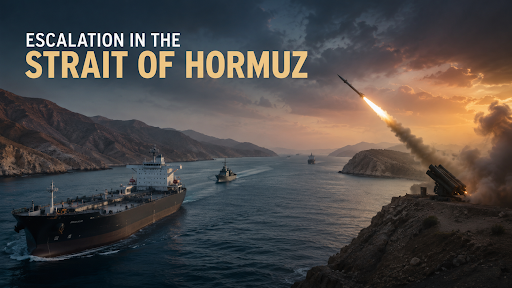
The Islamabad Accord (2026) is a proposed ceasefire mediated by Pakistan to end US-Iran hostilities. It aims to reopen the Strait of Hormuz through a two-tier plan involving an immediate truce followed by permanent treaty negotiations in Islamabad.
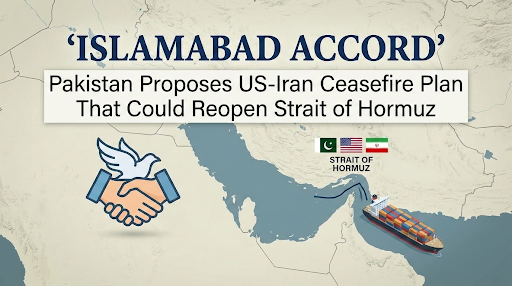
Pakistan offers ‘two-phased’ Islamabad Accord proposal to end the US-Israel war on Iran.
Islamabad Accord proposal, mediated by Pakistan, serves as a "two-tier" peace plan aimed at de-escalating a direct military conflict between the United States and Iran.
Since February 28, 2026, the conflict between the United States/Israel and Iran has escalated into direct war.
|
Phase |
Action Points |
|
Tier 1: De-escalation |
• Ceasefire: Immediate cessation of all aerial and naval hostilities. • Strait Reopening: Iran to permit the passage of commercial tankers immediately. • MoU: An electronic Memorandum of Understanding to be signed via Pakistan. |
|
Tier 2: The "Grand Bargain" |
• 15-20 Day Window: A cooling-off period for in-person negotiations in Islamabad. • Nuclear Clause: Iran to provide verifiable guarantees against nuclear weaponization. • Economic Clause: US to unfreeze Iranian assets and provide targeted sanctions relief. |
Current Deadlock: The Iranian Rejection
Iran’s Stand: Tehran has expressed that it will not reopen the Strait of Hormuz for a "temporary" truce.
Energy Security
India is the world's third-largest consumer of oil, importing nearly 85% of its requirements. A successful Islamabad Accord is vital for India to avoid an increase in Current Account Deficit (CAD) and retail inflation.
The "Pakistan Factor"
A successful mediation could strengthen US-Pakistan ties, potentially leading to renewed security assistance and shifting regional diplomatic dynamics, complicating India's security calculus.
Regional Connectivity
The conflict threatens the viability of the Chabahar Port in Iran—India's gateway to Central Asia. De-escalation via the Islamabad Accord would protect Indian investments in the region but also reinforces the strategic importance of the China-backed Gwadar Port in Pakistan as a diplomatic hub.
Source: LIVEMINT
|
PRACTICE QUESTION Q. Which maritime chokepoint’s closure triggered the urgency for the Islamabad Accord? A) Strait of Malacca B) Strait of Hormuz C) Suez Canal D) Bab-el-Mandeb Answer: B Explanation: The maritime chokepoint closure that triggered the urgency for the Islamabad Accord is the Strait of Hormuz. |
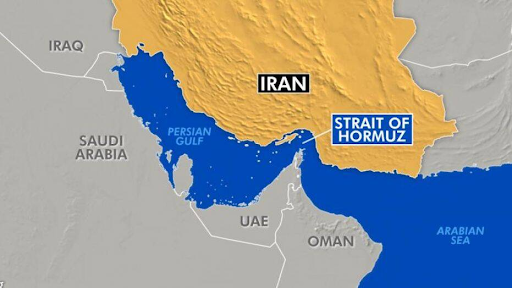
The Islamabad Accord is a proposed "two-tier" diplomatic framework mediated by Pakistan. It aims to de-escalate an imminent military conflict between the United States and Iran by securing a ceasefire and reopening the Strait of Hormuz in exchange for sanctions relief and nuclear guarantees.
Since over 50% of India’s crude oil imports transit through the Strait of Hormuz, a blockade creates a massive supply shock. This leads to a spike in global oil prices, which directly widens India's Current Account Deficit (CAD), triggers severe imported retail inflation, and threatens the nation's fiscal stability.
Pakistan is utilizing its unique dual-alignment strategy. It maintains strong military and financial ties with the US while sharing a 900-kilometer border and complex historical relations with Iran. By mediating, Pakistan seeks diplomatic rent-seeking—aiming to gain strategic capital, military aid, and financial bailouts from Washington.


© 2026 iasgyan. All right reserved