India’s data centre boom, driven by the DPDP Act 2023 and AI growth, supports data sovereignty as the country generates 20% of global data but stores under 6%. However, rising energy and water demands risk strain. Sustainable mandates and Ireland-style regulation are vital to avoid digital colonialism.
Copyright infringement not intended
Picture Courtesy: thehindubusinessline
Context
Driven by economic, technological, and policy factors, India is rapidly becoming a global data hub through a massive surge in Data Centre development.
What is Data Centre?
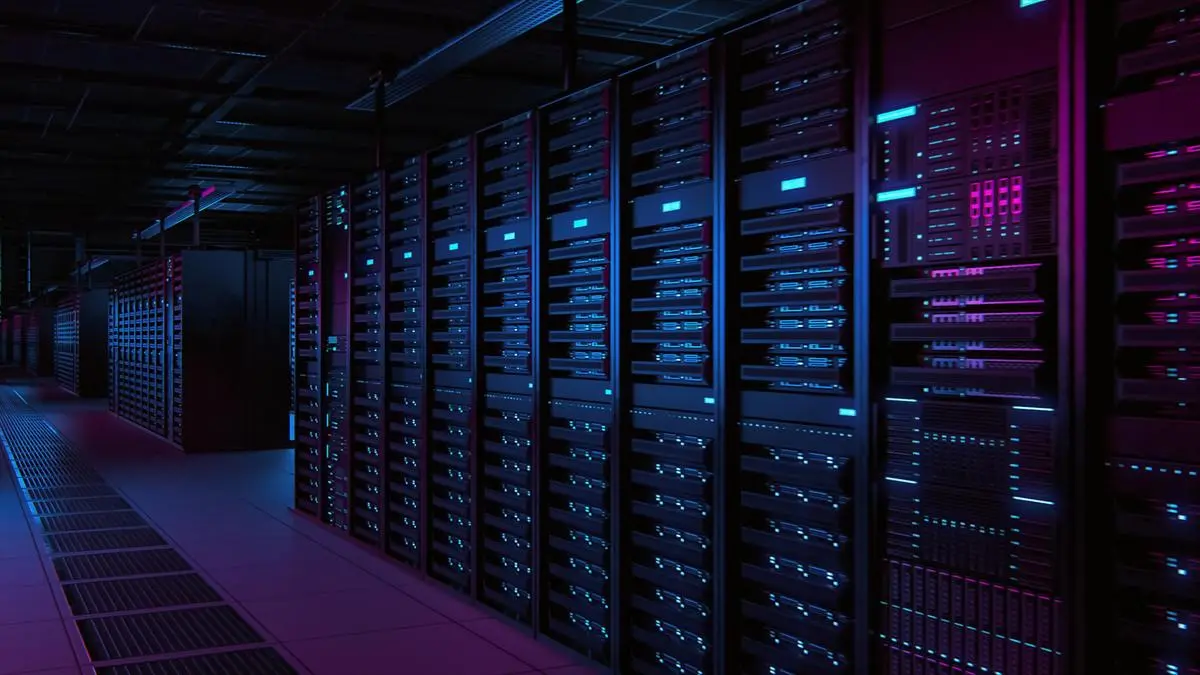
A data center is a secure, centralized physical facility or building that houses IT infrastructure—servers, storage systems, and networking equipment—used to store, process, and distribute massive amounts of data.
It acts as the backbone of modern digital infrastructure, they support applications, cloud computing, and AI, providing 24/7, high-availability operations.
Key Components and Functions
Data centers are designed to maintain high performance and reliability through:
Types of Data Centers
Key Drivers Fueling the Demand for Data Centres In India?
Explosion of Digital Consumption
A rapid increase in data generation is driven by the widespread adoption of OTT streaming platforms (e.g., Netflix, Hotstar), a booming e-commerce and fintech ecosystem (UPI transactions), and massive user-generated content on social media.
Data Localization and Sovereignty Mandates
The Digital Personal Data Protection (DPDP) Act, 2023, and sectoral regulations (like RBI) necessitate storing citizen data within India, driving the need for domestic data centres to enhance national security by protecting sensitive information
Government's Digital Initiatives
Digital India programs (Aadhaar, UPI, DigiLocker) and the Smart Cities Mission (using IoT) have generated a massive volume of public data.
Emerging Technologies:
Influx of Global Cloud Providers (Hyperscalers)
Major global players such as AWS, Microsoft Azure, and Google Cloud are investing billions to establish multiple cloud regions in India, driven by massive enterprise demand and the need for local data compliance.
Why India is an Attractive Destination For Data Center?
Policy & Government Support
Geographic Advantages
Talent Pool
India has a large pool of IT and engineering graduates who can form the operational workforce for these facilities. However, a gap exists for highly specialized roles in data centre management and cybersecurity.
Strategic Advantages for India
Economic Growth
The data centre boom drives investment, creates direct and indirect jobs, and strengthens the digital economy.
Digital Sovereignty & Resilience
Local data storage reduces latency, improving user experience and giving India greater data control, thus boosting national and cybersecurity resilience.
Innovation Ecosystem
Accessible, low-cost cloud infrastructure lowers barriers for the startup ecosystem and provides computational power for R&D in fields like AI and ML.
What are the "Hidden Costs" of this Digital Boom?
Environmental Footprint:
Infrastructure Strain: Major operational challenges include ensuring uninterrupted, high-quality power and robust fibre connectivity, as well as complex land acquisition for large facilities.
Cybersecurity Threats: The concentration of vast amounts of critical data makes these facilities high-value targets for cyberattacks, posing a risk to national security and individual privacy.
Skill Gap: Shortage of talent with specialized skills in data centre operations, cloud architecture, and cybersecurity, could hinder growth.
The "Digital Colony" Risk: India provides resources while foreign corporations control the high-value Intellectual Property and profits, making India a "landlord" for digital assets.
Way Forward: Balancing Growth with Sustainability
Green Data Centres
India's data centre future depends on adopting 'Green Data Centres' with renewable energy, efficient cooling, and circular economy principles to overcome current challenges.
Policy Support
A robust regulatory framework is essential for strengthening cybersecurity, ensuring fair competition, and harmonizing central and state government policies.
Enforce Water Neutrality
Make policies like "Zero Liquid Discharge" (ZLD) and the use of treated wastewater for cooling mandatory for environmental clearances.
Promote Sovereign AI
Invest in domestic AI capabilities through initiatives like the IndiaAI Mission to ensure that India not only stores data but also owns the intelligence and technology built upon it.
Learn from Global Lessons: The Ireland Model
The Problem: By 2022, data centres consumed 21% of Ireland's total electricity, creating a national grid crisis.
The Solution: Ireland initially imposed a moratorium (a temporary halt) on new data centre connections. It later introduced a strict policy in 2025 mandating that new facilities must generate their own power and source 80% of their energy from new renewable sources.
Lesson for India: Link permissions for data centres directly to mandatory green energy and self-generation commitments instead of providing unconditional access to the public grid.
Conclusion
To become a global data superpower, India must strategically manage the data centre boom by addressing environmental, security, and infrastructural challenges through sustainable policies and innovation.
Source: thehindubusinessline
|
PRACTICE QUESTION Q. "India is shifting from a 'data generating' nation to a 'data storing' nation." Analyze the factors driving this transition and discuss the associated challenges. 150 words |
The rush is driven by three main factors: the Digital Personal Data Protection (DPDP) Act 2023, which encourages local data storage; the AI explosion, which necessitates low-latency processing near the user; and cost efficiency, as building and operating in India is cheaper than in the West.
Data centres are resource-intensive. They consume massive amounts of electricity (diverting power from households) and water for cooling (a 100 MW facility can use 2 million liters daily), which exacerbates water stress in cities like Pune and Hyderabad.
This refers to the risk that India provides the physical resources (land, water, electricity) and bears the environmental costs, while the high-value Intellectual Property (IP) and profits remain with US-based tech giants. India becomes a landlord rather than an owner of the intelligence.



© 2026 iasgyan. All right reserved