What is Ganga-Yamuna Water Diversion Plan?
The project aims to improve the Yamuna River's environmental flow, reduce pollution in the Delhi section, and address the city's water shortage.
However, the proposal faces criticism for being a temporary fix that neglects core pollution sources and creates major ecological and inter-state issues.
Context
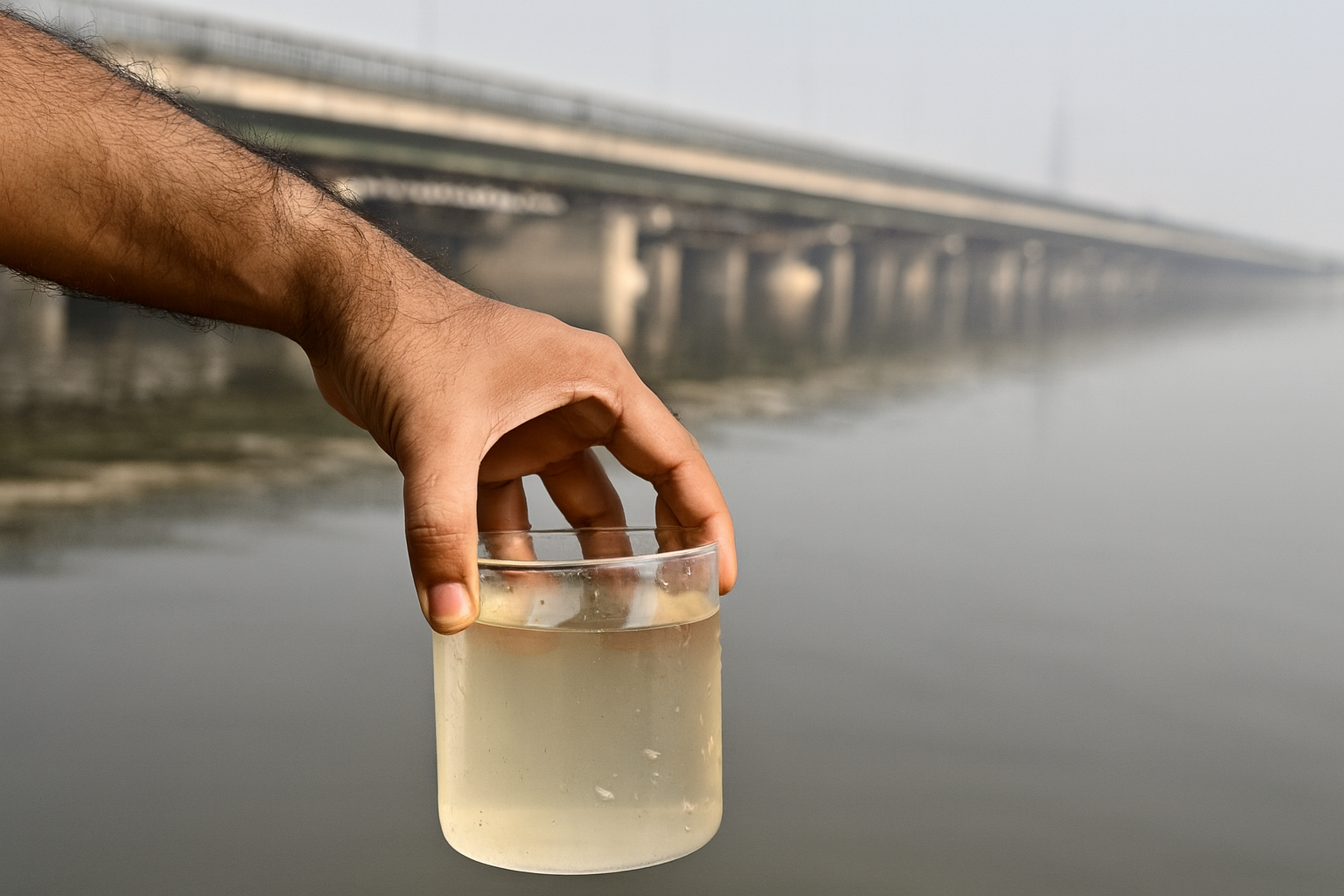
To tackle the severe Yamuna pollution crisis, the Centre and Delhi government are discussing a plan to divert Ganga water to boost the Yamuna's flow.
What is Ganga-Yamuna Water Diversion Plan?
The project aims to improve the Yamuna River's environmental flow, reduce pollution in the Delhi section, and address the city's water shortage.
However, the proposal faces criticism for being a temporary fix that neglects core pollution sources and creates major ecological and inter-state issues.
The Yamuna's Pollution Crisis in Delhi
The Yamuna is considered ecologically "dead" in its 22-km stretch through Delhi, which alone contributes to approximately 76-80% of the river's total pollution load (Source: Economic Survey of Delhi, 2023-24).
Sewage Generation vs Treatment: Delhi produces an estimated 792 MGD of sewage, but its 38 STPs have a total capacity of only 712 MGD. Due to underperformance or upgrades at many plants, untreated sewage flows into the river. (Source: Times of India)
High Pollution Metrics: Key water quality indicators are dangerously above permissible limits, especially downstream of major drains like Najafgarh and Shahdara.
The Proposed Diversion Plan
The plan is an interim measure to divert about 500 MGD of water from the Upper Ganga Canal (UGC) in Uttar Pradesh, through the Eastern Yamuna Canal (EYC), and into the Yamuna. This will continue until long-term solutions, like building three upper Yamuna dams to store monsoon water, are completed.
Challenges
While the plan aims to dilute pollutants, experts criticize it as a "shortcut" that avoids addressing the fundamental problem of waste management and poses several significant risks.
Ecological Impact on the Ganga Basin: Experts claim the Ganga lacks surplus water, especially in lean seasons. Diverting it risks stressing the ecosystem, affecting biodiversity, and impacting downstream communities in Uttar Pradesh, Bihar, and West Bengal.
A Symptomatic Solution, Not a Cure: The core problem is the daily discharge of vast untreated sewage. Diluting this waste is an unsustainable, anti-environmental practice that avoids the need to upgrade and expand Delhi's sewage treatment infrastructure.
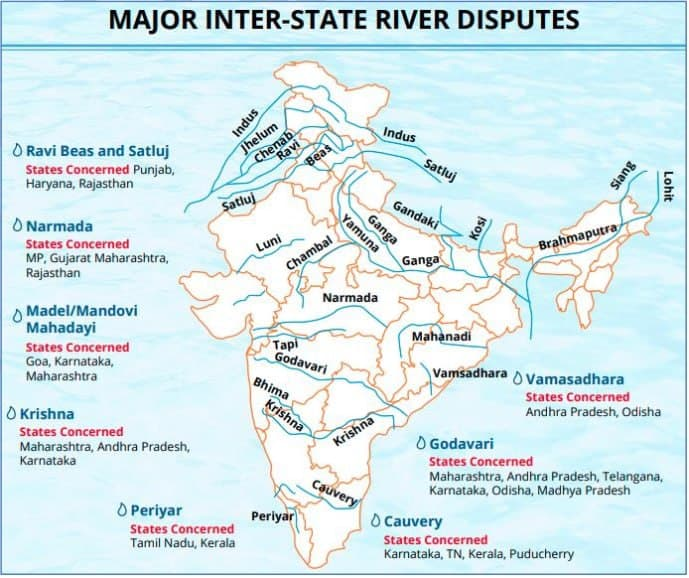
Inter-State Water Disputes: Uttar Pradesh's concerns about water security and farmer protests hinder the plan's approval, potentially escalating a complex inter-state water dispute under India's federal structure.
|
The Ken-Betwa Link Project: India's first major river-interlinking project warns of severe ecological costs: it is set to submerge nearly 6,000 hectares of the core Panna Tiger Reserve, threatening critical tiger habitats and requiring the felling of millions of trees. |
Sustainable Alternatives: Addressing the Root Cause
A more sustainable and effective approach requires focusing on holistic water management and pollution control at the source.
Enhancing Sewage Treatment: Priority must be on upgrading STPs in Delhi to meet the latest standards (Biochemical Oxygen Demand) and expanding capacity to treat 100% of the city's sewage.
Decentralized Wastewater Treatment: Invest in decentralized STPs (DSTPs) for treating sewage in unsewered areas like unauthorized colonies, to prevent waste from entering the river system.
Strict Industrial Effluent Regulation: Enforce a zero-liquid discharge policy for industries and ensure all industrial areas are covered by functional Common Effluent Treatment Plants (CETPs) is non-negotiable.
Holistic Water Governance: The Mihir Shah Committee (2016) recommended creating a unified National Water Commission (NWC) to replace the Central Water Commission (CWC) and Central Ground Water Board (CGWB). Its key recommendations include:
Way Forward
Diverting Ganga water to the Yamuna is a costly distraction from pollution control, which is essential, as environmental flow alone cannot ensure river health.
Implement a time-bound mission to eliminate untreated sewage and industrial waste through sanitation infrastructure overhaul, strict enforcement, and the holistic water management approach of the Mihir Shah Committee.
Any water diversion plan must first undergo a transparent Environmental Impact Assessment and secure political consensus to prevent potential ecological harm and inter-state disputes.
Yamuna can be restored only through thorough cleaning, not merely by attempting to dilute its pollutants.
Source: thehindu
It is a proposal by the Central government and the Delhi government to divert approximately 380 million gallons per day (MGD) of water from the Upper Ganga Canal in Uttar Pradesh into the Yamuna river. The aim is to increase the river's flow through the polluted Delhi stretch to dilute contaminants.
The Ganga originates as the Bhagirathi from the Gangotri Glacier at Gaumukh in Uttarakhand. After flowing approximately 2,525 km through northern India and Bangladesh, it empties into the Bay of Bengal, forming part of the world's largest delta system.
Major tributaries joining from the right are the Yamuna and the Son. From the left, significant tributaries include the Ramganga, the Ghaghra, the Gandak, the Kosi, and the Mahananda.

© 2026 iasgyan. All right reserved