Copyright infringement not intended
Picture Courtesy: The Hindu
Context:
Neurotechnology development and benefits for India.
What is neurotechnology?
Neurotechnology refers to tools that can record, monitor or influence brain activity, often via Brain–Computer Interfaces (BCIs) that translate neural signals into digital commands. Globally, it is moving from pure therapy (Parkinson’s, paralysis, depression) towards possibilities of human enhancement and military use.
|
Brain computer interface: A BCI is a system that listens to brain signals,decodes them (using algorithms/AI) and converts them into commands for external devices.
|
Why does India need neurotechnology?
Health & Disease Burden
- Between 1990 and 2019, neurological disorders from non-communicable and injury causes steadily increased as part of India’s disease load.
- Stroke stands out as the largest contributor among such disorders.
- Other major conditions include spinal cord injuries leading to paralysis, Parkinson’s disease, depression and other mental health issues.
- Neurotechnology can help because:
- Neuroprosthetics restore mobility, communication and independence for paralysed patients.
- Brain stimulation treats resistant depression and can reduce long-term drug dependence.
- Advanced diagnostics and monitoring enable early detection and personalised treatment.
Economic Opportunity
- Neurotechnology sits at the intersection of biotechnology, engineering/hardware and artificial intelligence/computing.
- India is rapidly growing in all three, making neurotech a strong fit.
- It can create high-value jobs in R&D, medical devices, AI systems and chip design.
- It supports Make in India and Atmanirbhar Bharat in healthcare and med-tech innovation.
Where does India stand today?
- India’s neurotech ecosystem is at nascent stage.
- IIT Kanpur developed a BCI-based robotic hand for stroke rehabilitation, showing capability in BCI and robotics.
- The National Brain Research Centre (NBRC), Manesar is a major hub for neuroscience and brain disorder research.
- The Brain Research Centre at IISc Bengaluru leads work in computational neuroscience, cognition and neuro-engineering.
- Startup Dognosis uses neurotech to analyse dog brain signals to detect cancer-related neural patterns, hinting at future non-invasive cancer screening for humans.
What other countries are doing?
United States
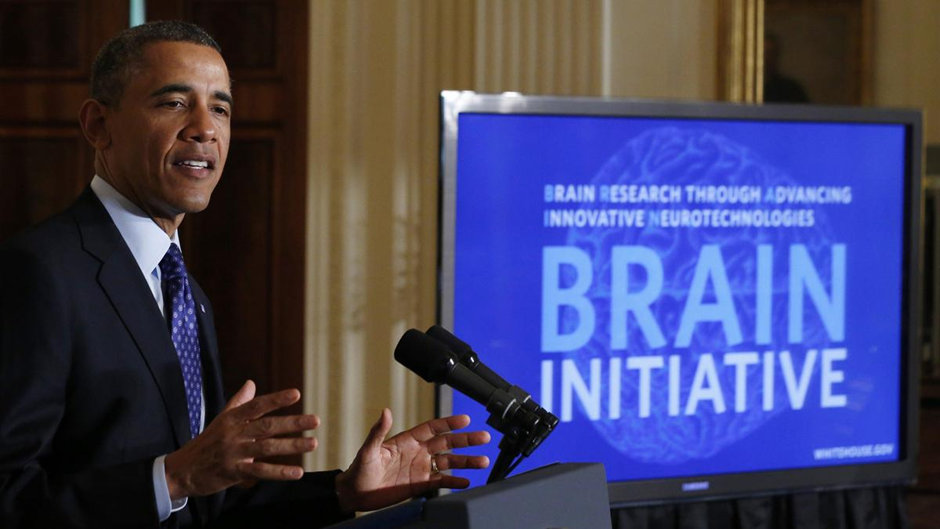
- BRAIN Initiative links federal and private partners to develop tools for mapping and modulating brain circuits.
- Neuralink received FDA approval in 2024 for human trials, showing partial restoration of motor function in paralysed patients using BCIs.
China
- The China Brain Project (2016–2030) focuses on:
- Understanding cognition,
- Building brain-inspired AI,
- Treating neurological disorders.
- It reflects strategic alignment between neuroscience, AI, and national health goals.
Europe & Chile
- Both are pioneers in neurorights legislation.
- They are drafting laws to protect brain data, mental privacy, and cognitive autonomy, creating early global models for ethical governance.
How can India benefit from Neurotechnology?
- Assistive technologies for stroke, spinal injury, ALS, cerebral palsy → reduce disability, improve productivity.
- Targeted mental health interventions using neural stimulation can complement therapies and reduce long-term drug side effects.
- Helps fulfil SDG 3 (Good Health and Well-Being) and constitutional obligation of Article 21 – right to life with dignity.
- Innovation and Industry application: Neurotechnology drives innovation and industrial growth as it spurs medical device manufacturing, enabling India to build indigenous neuroprosthetics, stimulation systems, and diagnostic platforms.
It also creates new commercial markets, ranging from neuro-gaming and brain-training products to rehabilitation devices designed for clinical and personal use.
- Defence Applications: Neurotechnology also has strategic relevance as brain–computer interfaces can facilitate faster communication in extreme environments, benefiting pilots, astronauts, and soldiers who must operate under high pressure and limited reaction time.
It further supports the rehabilitation of injured military personnel, offering restoration of mobility and cognitive function through neuroprosthetics and neural stimulation.
What are the key concerns of neurotechnology?
- Mental Integrity: BCIs collect extremely sensitive brain data that can reveal emotions, intentions, and behavioural tendencies, raising risks of surveillance, manipulation, targeted influence, or coercion if misused.
- Informed Consent: The technical complexity of BCIs makes fully informed consent difficult, especially for vulnerable groups such as patients and children, and raises fundamental questions about ownership of neural data—whether it belongs to the patient, medical institution, device company, or insurer.
- Long-Term Risks: Invasive BCIs involve surgical risks, infections, and device failure, while the long-term consequences of chronic neural stimulation remain poorly understood, making safety evaluation essential.
- Equity and Access: High-end neurotechnologies may initially benefit wealthy urban populations, risking the creation of a neuro-divide between enhanced individuals and those without access.
- Dual-Use and Militarisation: Because neurotechnology can support both medical rehabilitation and coercive enhancement, it raises issues for international humanitarian law, arms control, and human rights, requiring careful oversight and transparent governance.
UNESCO’s Neurotechnology recommendation:
Ethical Principles: UNESCO stresses values such as beneficence, proportionality, no harm, autonomy, mental privacy, non-discrimination, accountability, transparency, epistemic justice, and protection of future generations.
Prohibitions:
- Manipulation or deceptive use of neural data in political, medical, or commercial contexts is banned.
- Workplace monitoring or screening of employees using neurotech is warned against without strict safeguards.
- Non-therapeutic use for children and adolescents should be avoided or tightly regulated.
- Consumer neurotech that alters behaviour or risks addiction must be clearly regulated and explained to users.
Data Protection & Mental Privacy:
- Neural data is treated as highly sensitive personal data.
- Explicit informed consent is required for its collection and use.
- Systems must ensure privacy-by-design, encryption, secure storage and transparency over access and sharing.
Autonomy:
- Neurotech must not undermine cognitive liberty or freedom of thought.
- Individuals’ sense of self and decision-making autonomy must be preserved, even when using brain interfaces.
Inclusion and Equity:
- Neurotechnologies must be affordable and accessible, not just for privileged groups.
- Extra protection is needed for vulnerable populations such as children, elders, and people with disabilities.
- Regulation must reflect different national contexts and global justice concerns.
- Responsible Research & Innovation:
- Researchers must anticipate impacts, engage public stakeholders, and align innovation with societal values.
- Open science and sharing of knowledge is encouraged but without commodifying the brain or its functions.
Governance and Regulation:
- Governments should create laws and policies aligned with these principles.
- Independent oversight, ethical review and regulation of neurotech companies are necessary.
- Evaluation should include long-term neural, psychological and cognitive risks, not just physical safety.
Conclusion:
Neurotechnology represents a frontier that can transform healthcare, industry, and human capability, but its promise will materialise only if it is guided by ethical safeguards, equitable access, and thoughtful regulation.
Handled responsibly, it can help India and the world treat neurological disorders, drive innovation, and enhance quality of life, while preserving mental autonomy, data privacy, and human dignity.
Source: The Hindu
|
Practice Question
Q. “Neurotechnology offers immense therapeutic and economic promise, yet raises profound ethical and regulatory dilemmas.” Discuss. (250 words)
|
Frequently Asked Questions (FAQs)
Neurotechnology refers to tools that measure, monitor, or influence brain activity, including Brain–Computer Interfaces, neural implants, and stimulation devices.
A BCI is a system that reads brain signals and converts them into commands to control external devices such as robotic limbs, computer cursors, or wheelchairs.
Current applications include treating paralysis, Parkinson’s disease, depression, epilepsy, stroke recovery, rehabilitation, and assistive communication for disabled individuals.