World Wetlands Day 2026 stresses restoring wetlands as living ecosystems, not engineering projects. Despite 98 Ramsar Sites, India faces degradation from urbanisation and fragmented governance. The focus shifts to integrating traditional knowledge, treating wetlands as national public goods, and managing them as green infrastructure for climate resilience and water security.
Copyright infringement not intended
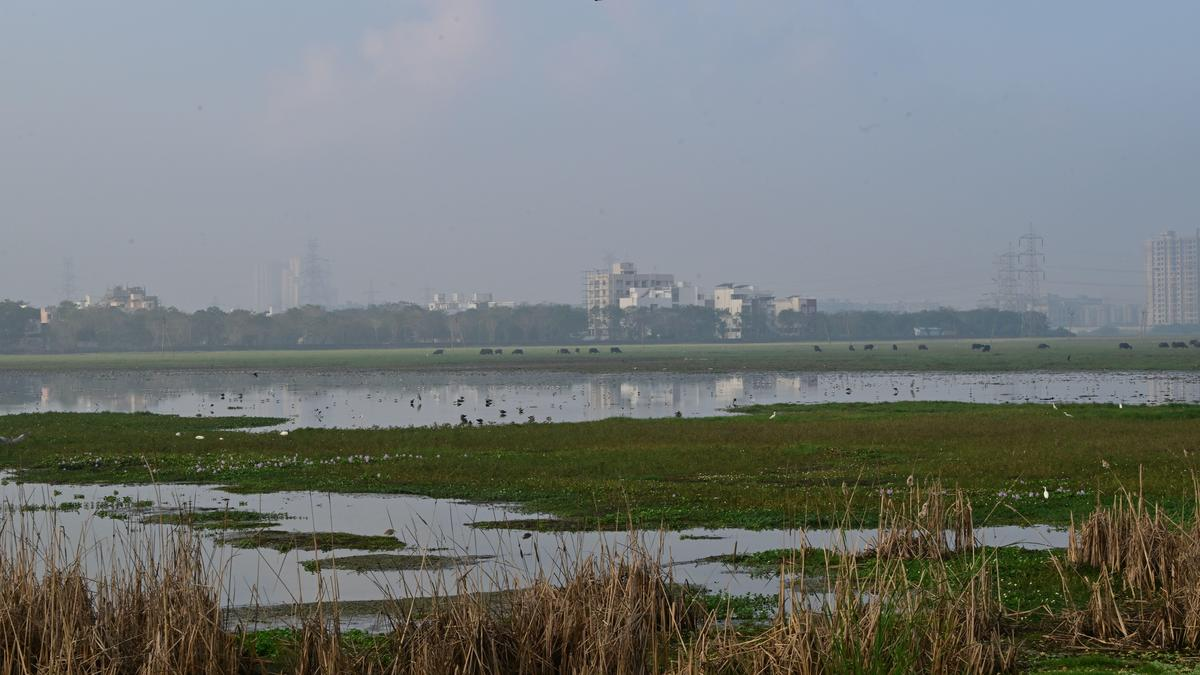
Picture Courtesy: THE HINDU
Context
World Wetlands Day was observed on February 2, 2026, with the theme 'Wetlands and traditional knowledge: Celebrating cultural heritage', emphasizing the need to blend ancient water management wisdom with modern governance to combat wetland degradation.
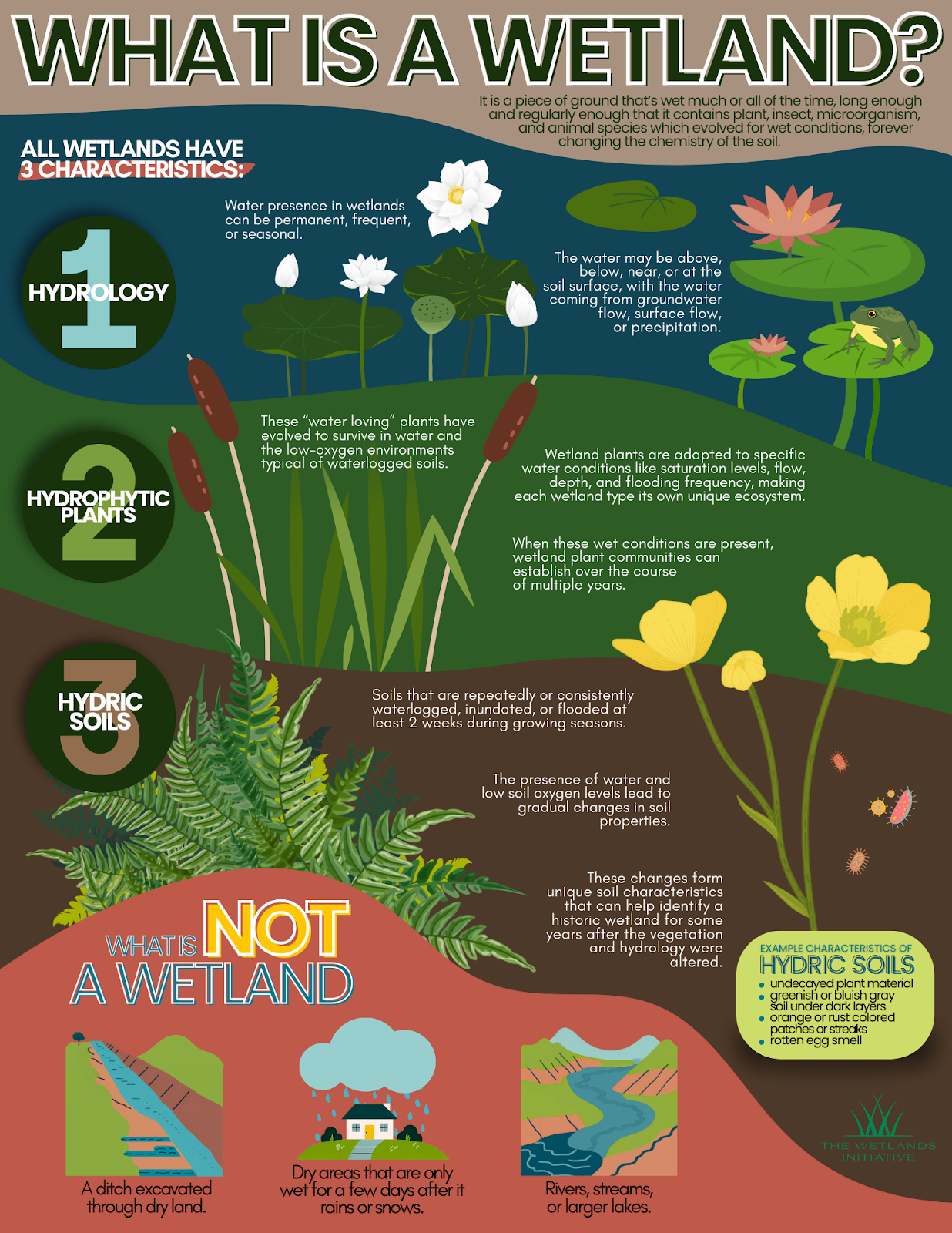
What is Wetlands?
Wetlands are unique ecosystems, often described as the "kidneys of the landscape," that are covered or saturated with water and act as transitional zones supporting diverse life.
Key Characteristics
Common Types of Wetlands
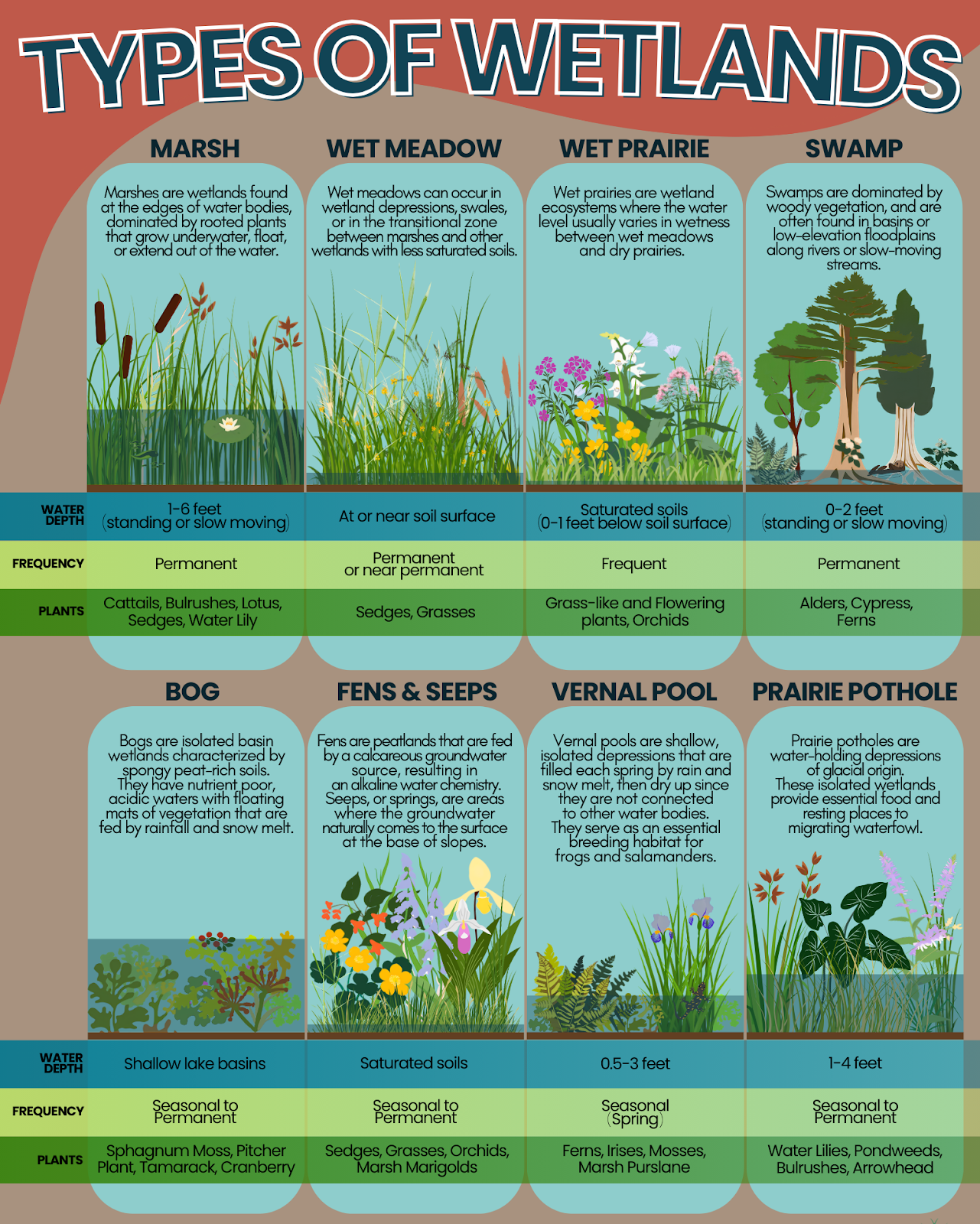
Current Status of Wetlands in India
Total Wetland Area: India possesses an estimated 16.89 million hectares of wetland resources, accounting for roughly 5.12% of the country's total geographic area.
Ramsar Sites: There are 98 designated Ramsar sites (Wetlands of International Importance), covering over 1.36 million hectares.
Key Conservation Initiatives
Amrit Dharohar Scheme: Launched in 2023, this three-year initiative aims to promote sustainable utilization of Ramsar sites, focusing on eco-tourism, community livelihoods, and carbon sequestration.
Mission Sahbhagita: A participatory mission launched in 2022 that has registered over 18,000 "Wetland Mitras" (community volunteers) and developed dynamic health cards for over 6,200 wetlands.
Wetland City Accreditation: In 2025, Indore and Udaipur became India's first cities to receive international accreditation for their exemplary urban wetland management.
Why are Wetlands Considered a 'National Public Good'?
"National Public Good" refers to resources that provide critical benefits to the entire country and cannot easily be excluded from anyone's use.
Ecological Security & Climate Resilience
Water Purification
Livelihood and Cultural Sustenance:
Key Challenges in Wetland Conservation
Despite having the Wetlands (Conservation and Management) Rules, 2017, and the National Plan for Conservation of Aquatic Ecosystems (NPCA), implementation faces hurdles.
|
Challenge Area |
Details |
Example |
|
Flawed Conservation Approach |
Conservation is treated as a civil engineering "project" (beautification, concreting) rather than a scientific "process" aimed at restoring ecological functions like hydrology and biodiversity. |
Concreting the shores of a lake, which destroys its natural gradient and habitat. |
|
Legal & Definitional Gaps |
States often delay the notification of wetlands to allow for commercial activities. The exclusion of river channels and paddy fields from the official definition leaves many critical wetlands unprotected. |
A riparian wetland along a river being encroached upon because it's not officially notified. |
|
Siloed Governance |
Wetlands are managed by different departments with conflicting interests (e.g., Revenue Dept sees it as 'land', Water Dept sees it for 'irrigation'). There is a lack of a unified, watershed-scale governance model. |
A real estate project being approved on a wetland's catchment area by one department, while another tries to conserve it. |
|
Urbanization & Pollution |
Unplanned urban growth leads to encroachment and the dumping of untreated sewage and industrial effluents, causing eutrophication. |
The frothing and fires at Bellandur Lake in Bengaluru due to severe pollution. |
|
Lack of Capacity |
State Wetland Authorities often lack technical experts like hydrologists and ecologists, leading to unscientific management decisions. |
Bureaucrats without scientific training making key decisions on wetland restoration. |
Way Forward
Adopt Watershed-Scale Governance: Manage wetlands holistically by including their entire catchment area. This prevents the choking of feeder channels.
Enforce 'No-Go' Zones as Green Infrastructure: Strictly enforce rules like the Coastal Regulation Zone (CRZ) norms. Mangroves and floodplains should be recognized and invested in as "green infrastructure" for disaster risk reduction.
Integrate Modern Technology: Utilize Satellite Remote Sensing and GIS for real-time monitoring of encroachments and wetland health changes, enabling proactive, evidence-based management.
Mainstream Traditional Knowledge: Community wisdom is vital for conservation. Initiatives like Amrit Dharohar promote community stewardship. Local communities (e.g., fishermen) serve as pollution early-warning systems (bio-indicators).
Control Pollution at the Source: Ensure that all wastewater is treated at Sewage Treatment Plants (STPs) before it is discharged into wetlands.
Build Institutional Capacity: Launch a National Capacity Mission to provide specialized training on hydrology, environmental law, and community engagement to wetland managers and officials.
Learn from Global Best Practice: The Netherlands' "Room for the River" flood management can be adapted as an urban "Room for the Wetland" policy.
Conclusion
India must shift its view of wetlands from "wastelands" to be developed to critical national public goods, moving towards a holistic, science-based "programme" of conservation that empowers local communities for a water-secure future.
Source: THE HINDU
|
PRACTICE QUESTION Q. Integrating Traditional Ecological Knowledge (TEK) with modern scientific tools is essential for wetland resilience. Discuss. 150 words |
The theme for World Wetlands Day 2026 was ‘Wetlands and traditional knowledge: Celebrating cultural heritage’. It emphasized integrating ancient wisdom with modern governance to protect ecosystems.
Wetlands are called the "kidneys" because they naturally filter pollutants and improve water quality. A prime example is the East Kolkata Wetlands, which treats the city’s wastewater effectively, saving millions in treatment costs.
These are traditional water management systems. Kulams are human-made tanks in Tamil Nadu used for irrigation, while Kenis are shallow wells found in Wayanad, Kerala, used for drinking water and tribal rituals.


© 2026 iasgyan. All right reserved